

Image: Times of India
India is facing an LPG crisis due to the Iran conflict, prompting states to implement measures to stabilize supply and prices amid rising demand.
GlipzoAs the Iran conflict escalates, causing supply chain disruptions, India is grappling with a significant LPG crisis. This situation has prompted various states to implement strategies to mitigate the impact of the ongoing geopolitical tensions in the Hormuz Strait, where a substantial portion of the world’s oil passes through. The crisis has implications not only for households relying on liquefied petroleum gas for cooking and heating but also for industries dependent on this crucial fuel source.
The LPG supply issues became pronounced in recent weeks, with reports of delayed shipments and rising prices, affecting millions of consumers. Government officials and industry experts are now racing against time to find solutions that ensure a steady supply of LPG and stabilize prices in the face of these external challenges.
The current LPG shortage can be traced back to several intertwined factors: - Geopolitical tensions in the Middle East, particularly due to the Iran conflict. - Increased shipping costs due to the presence of naval tensions in the Hormuz Strait. - Heightened demand for LPG as households stockpile in anticipation of further disruptions.
As a result, the price of LPG has surged, putting a financial strain on consumers and businesses alike. Experts warn that if the situation does not improve soon, it may lead to broader economic consequences, including inflation and increased energy costs.
In response to the crisis, several Indian states are implementing measures to address the supply challenges and stabilize prices. These measures include: - Emergency procurement of LPG from alternate suppliers to fill gaps in domestic supply. - Price control mechanisms to prevent exploitation and protect consumers from abrupt price hikes. - Public awareness campaigns about efficient LPG usage to conserve supplies during this crisis.
State governments are collaborating with national agencies to streamline logistics and ensure that critical supplies reach consumers without unnecessary delays. Additionally, some states are exploring long-term strategies to diversify their energy sources to mitigate future risks associated with geopolitical tensions.
The Central Government of India is closely monitoring the situation and has pledged support to state governments in managing the crisis. Key actions include: - Coordination with international suppliers for alternative LPG sources. - Discussions with oil-producing nations to secure a stable supply chain. - Increased funding for infrastructure improvements to facilitate quicker distribution of LPG to affected regions.
Officials assert that the government is committed to ensuring that no household is deprived of LPG during these challenging times. Petroleum Minister Hardeep Singh Puri emphasized the need for cooperation between state and central agencies to effectively manage the supply chain.
The ongoing LPG crisis has left many consumers apprehensive about the future. Households are particularly concerned about the rising costs and potential shortages as the situation unfolds. To address these concerns, government officials are urging consumers to: - Limit non-essential usage of LPG during peak demand periods. - Explore alternative cooking methods, such as electric stoves or induction cookers, where feasible. - Stay updated on government announcements regarding supply and price control measures.
As the crisis continues, the future of LPG supply in India remains uncertain. However, with proactive measures being taken at both state and central levels, there is hope that the situation will stabilize soon.
The ongoing LPG crisis in India, driven by the Iran conflict and the issues in the Hormuz Strait, presents significant challenges for consumers and businesses alike. State governments are stepping up to implement measures aimed at mitigating the effects of rising prices and supply disruptions. As the situation evolves, the coordinated efforts between state and central governments will be critical in navigating this crisis. The resilience of India’s energy infrastructure will be tested in the coming weeks, but with decisive actions, the nation can work towards ensuring reliable LPG access for all.
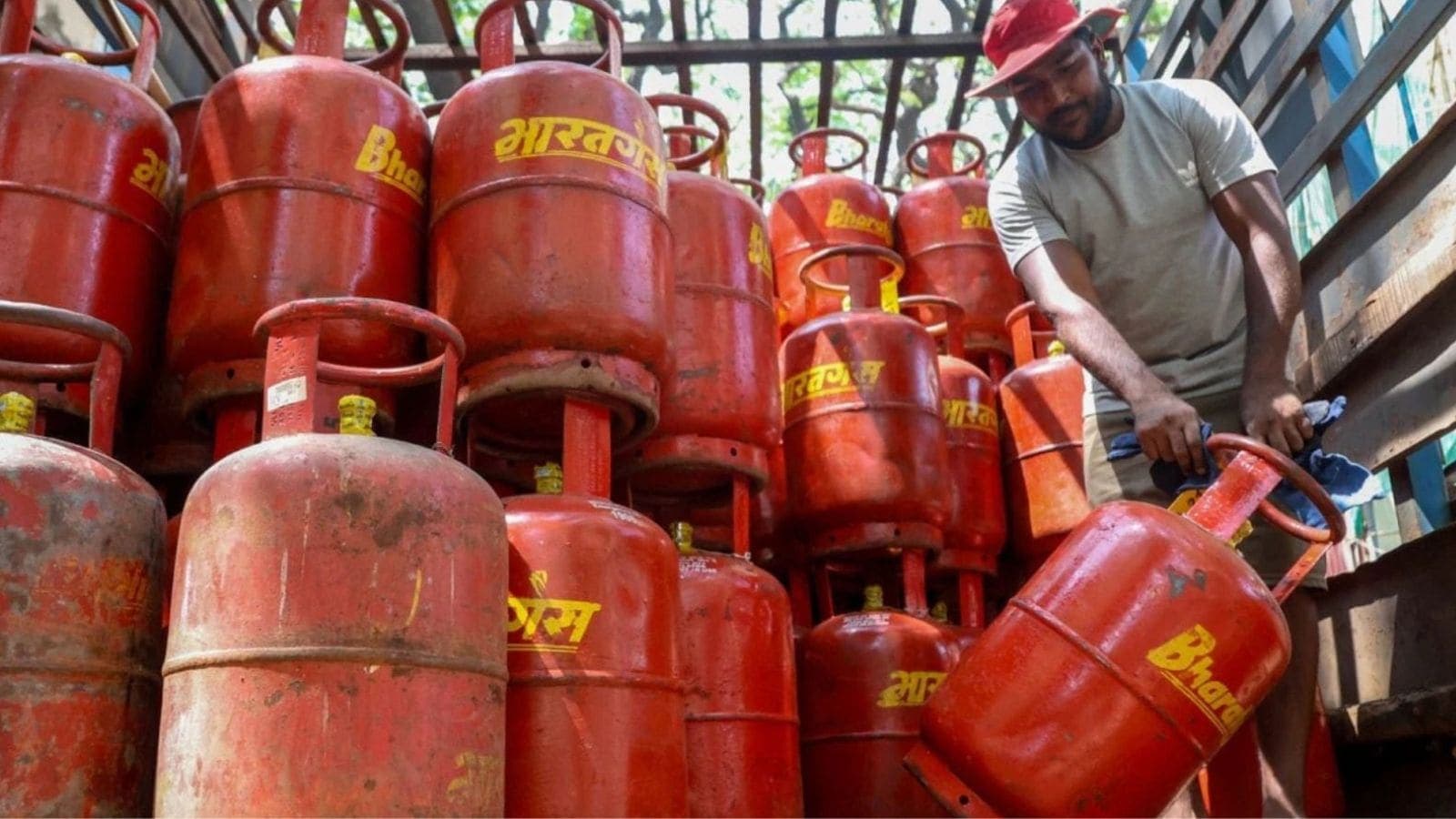
Commercial LPG prices have risen again, with increases of ₹42 in Delhi and ₹53.50 in Kolkata impacting businesses and consumers alike. Find out more.
Indian Express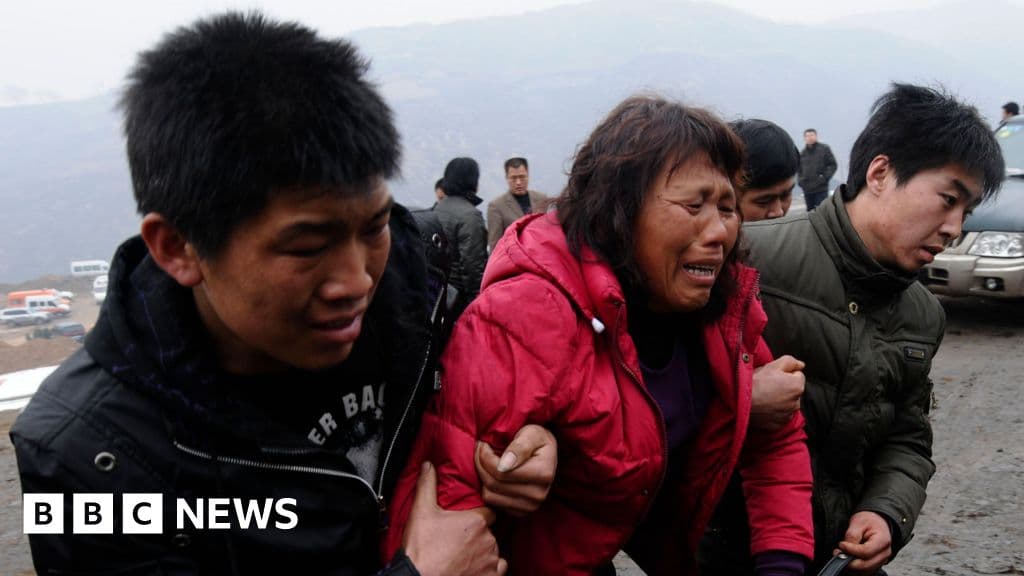
Discover how a tragic coal mine explosion in Shanxi, China, reveals ongoing safety concerns in the industry amidst a push for green energy.
BBC Business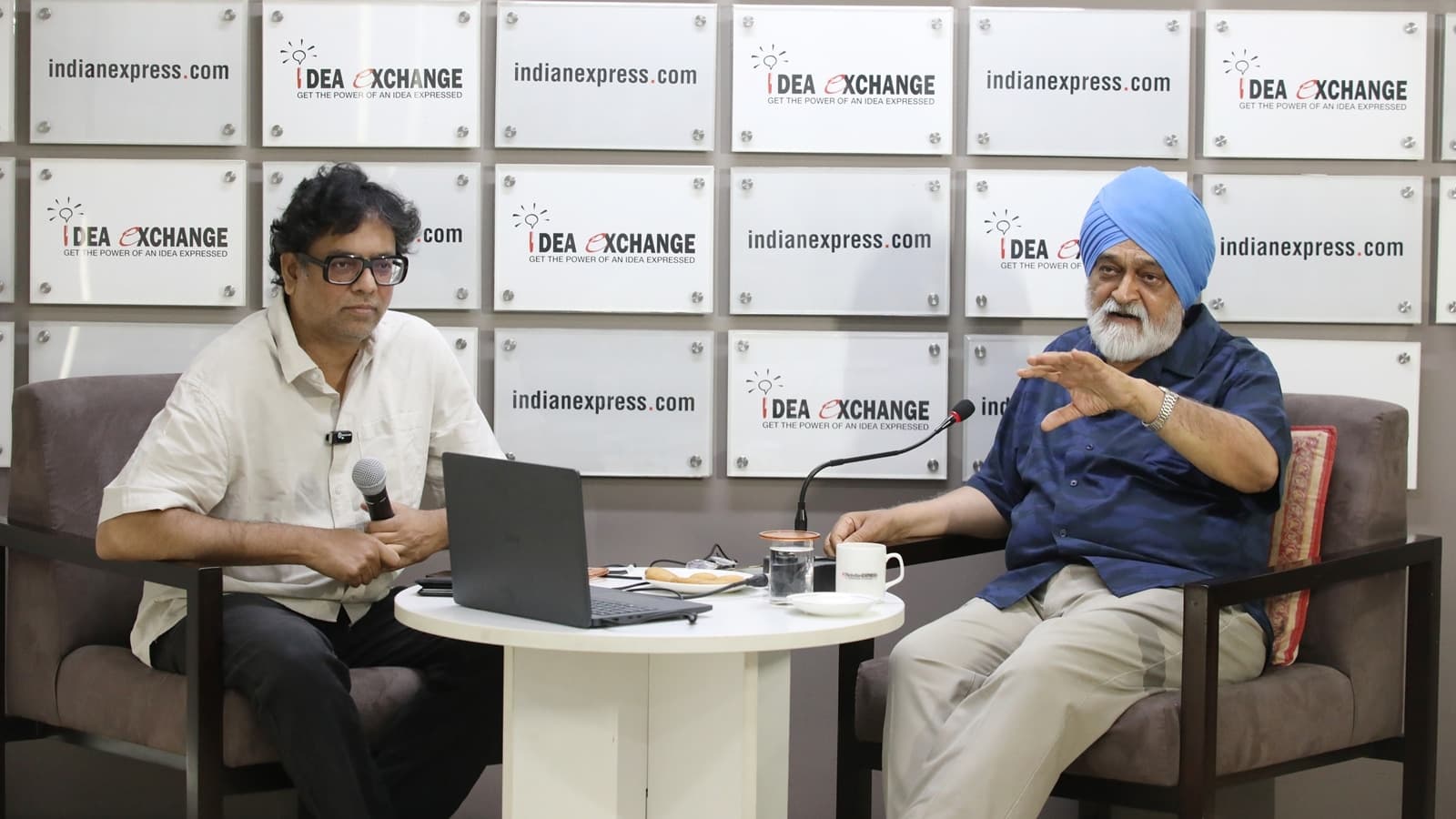
Montek Singh Ahluwalia highlights key economic challenges for India, emphasizing the need for a strategic approach to balance payments and investment.
Indian Express