
Glipzo
WorldTechnologyBusinessSportsEntertainmentScienceHealthPolitics
Glipzo
WorldTechnologyBusinessSportsEntertainmentScienceHealthPolitics
  1. Home
  2. /
  3. Business
  4. /
  5. India Faces Critical Night-Time Power Shortages Amid Heat Wave
India Faces Critical Night-Time Power Shortages Amid Heat Wave

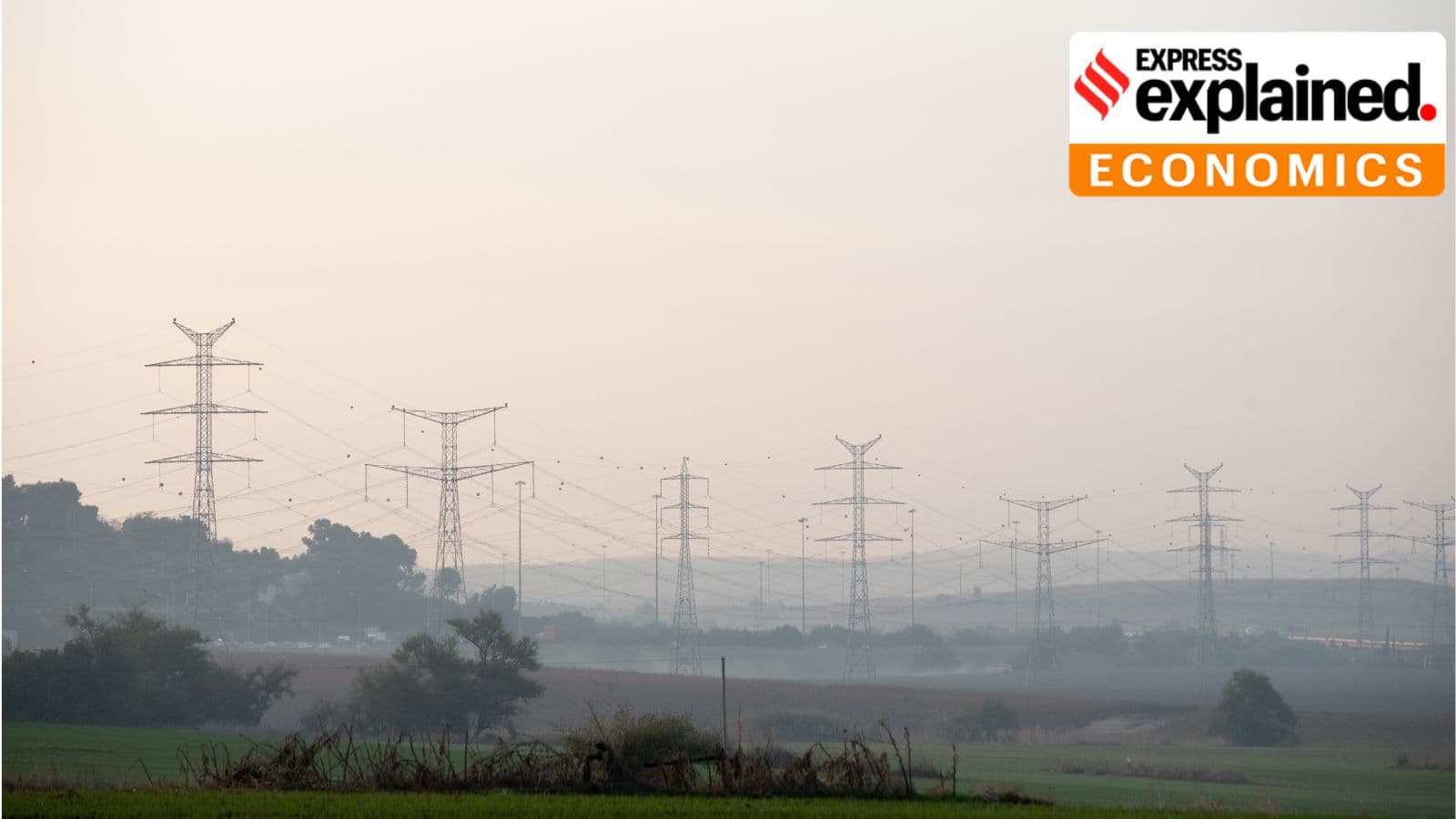
Image: Indian Express

Business
Tuesday, May 5, 20265 min read

India Faces Critical Night-Time Power Shortages Amid Heat Wave

India's night-time power shortages pose a critical challenge as summer heat rises. Discover the implications for the energy grid and future strategies in this essential report.

Glipzo News Desk|Source: Indian Express
Share
Glipzo

Key Highlights

  • India faces a severe night-time power shortfall as summer heat rises.
  • April recorded a staggering 5.4 GW night-time electricity shortage.
  • Forced outages at thermal plants exacerbate the power crisis.
  • Experts urge for expanded baseload generation and energy storage.
  • May's heat may intensify challenges for India's power grid.

In this article

  • India’s Power Crisis: The Rising Night-Time Shortage As **India** braces for the sweltering summer months, a significant challenge is emerging within the country's electricity framework: the widening gap between abundant daytime solar energy and crippling night-time shortages. This shift has raised concerns among grid managers, who are grappling with the implications of fluctuating energy demands as temperatures soar.
  • Factors Contributing to the Power Gap One factor stabilizing the situation has been the alignment of air-conditioning loads with peak solar generation during the day. However, as energy demands shift, other sources like **electric vehicle (EV) charging** and **electric cooking** tend to surge post-sunset, compounding the problem when solar energy output diminishes.
  • The Need for Reliable Energy Sources Experts emphasize that this scenario underscores the urgent need to enhance **baseload generation** capabilities while simultaneously deploying energy storage systems. As India rapidly expands its renewable energy capacity, the growth of stable baseload sources has not kept pace.
  • The Impact of Rising Temperatures on Electricity Demand The ongoing heatwave has driven electricity demand to unprecedented levels, reaching a staggering **256 GW** at its peak. **Digital air-quality monitoring platform AQI** noted that **April 2023** was anything but typical, with all **50 of the hottest cities** worldwide located in India. On April 27, the average peak temperature across these cities hit **44.7°C**, with the lowest maximum—**Solapur**—recording **41.9°C**, a temperature that would be deemed a public health crisis in many European cities.
  • Looking Ahead: The Future of India’s Energy Grid As India enters **May**, a month traditionally known for its extreme pre-monsoon heat, the situation is likely to worsen. Weather forecasts suggest that states such as **Gujarat** and **Maharashtra**, along with regions along the eastern coast and the **Himalayan foothills**, will experience more days of exceptionally high temperatures. This trend amplifies the urgency for grid managers and policymakers to address the night-time power shortage crisis.
  • Why It Matters The implications of this power crisis reach beyond mere inconvenience; they impact economic productivity, public health, and overall quality of life for millions of Indians. The potential for large-scale outages could hinder industrial operations and disrupt daily life, especially in rural areas where access to electricity is already limited.

India’s Power Crisis: The Rising Night-Time Shortage As **India** braces for the sweltering summer months, a significant challenge is emerging within the country's electricity framework: the widening gap between abundant daytime solar energy and crippling night-time shortages. This shift has raised concerns among grid managers, who are grappling with the implications of fluctuating energy demands as temperatures soar.

Since mid-April, the nation has witnessed a dramatic spike in daily peak power demand during daylight hours. Data from the Grid Controller of India indicates that peak demand was recorded on at least 10 of the last 15 days. In stark contrast, the night-time shortages were reported on 13 of those 15 days, revealing the strain on the power grid after sunset. On April 24 alone, night-time power shortfalls soared to an alarming 5.4 gigawatts (GW), which is enough to power approximately 2.7 million rural homes.

Factors Contributing to the Power Gap One factor stabilizing the situation has been the alignment of air-conditioning loads with peak solar generation during the day. However, as energy demands shift, other sources like **electric vehicle (EV) charging** and **electric cooking** tend to surge post-sunset, compounding the problem when solar energy output diminishes.

Additionally, the current crisis has been worsened by outages at thermal power plants, which are crucial for providing electricity during the night. On the same day that shortages peaked at 5.4 GW, nearly 23.8 GW of coal and nuclear capacity was offline due to forced outages, as reported by the Central Electricity Authority (CEA). These outages are often the result of technical faults, equipment failures, or fuel constraints, further straining the grid during critical hours.

The Need for Reliable Energy Sources Experts emphasize that this scenario underscores the urgent need to enhance **baseload generation** capabilities while simultaneously deploying energy storage systems. As India rapidly expands its renewable energy capacity, the growth of stable baseload sources has not kept pace.

From April 2025 to January 2026, India successfully added about 43 GW of renewable energy capacity. In contrast, thermal capacity additions were limited to only 16.5 GW during the period from April 2023 to November 2025. Moreover, battery storage deployment remains in its infancy, with only 0.27 GW currently installed. This lack of robust energy storage solutions hinders the ability to manage the fluctuating demand effectively.

India's nuclear power capabilities are also limited, contributing only 8.8 GW to the energy mix. With no significant expansion expected in the next five to six years, the options for firm, low-carbon baseload supply appear bleak.

The Impact of Rising Temperatures on Electricity Demand The ongoing heatwave has driven electricity demand to unprecedented levels, reaching a staggering **256 GW** at its peak. **Digital air-quality monitoring platform AQI** noted that **April 2023** was anything but typical, with all **50 of the hottest cities** worldwide located in India. On April 27, the average peak temperature across these cities hit **44.7°C**, with the lowest maximum—**Solapur**—recording **41.9°C**, a temperature that would be deemed a public health crisis in many European cities.

This relentless heat translates into continuous demand for electricity to operate cooling appliances, particularly air conditioners. While the rapid expansion of renewable energy has ensured adequate daytime capacity, the vulnerability of the grid becomes evident during the night hours, posing significant challenges for grid operators tasked with maintaining balance.

Looking Ahead: The Future of India’s Energy Grid As India enters **May**, a month traditionally known for its extreme pre-monsoon heat, the situation is likely to worsen. Weather forecasts suggest that states such as **Gujarat** and **Maharashtra**, along with regions along the eastern coast and the **Himalayan foothills**, will experience more days of exceptionally high temperatures. This trend amplifies the urgency for grid managers and policymakers to address the night-time power shortage crisis.

Alekhya Datta, Fellow and Director at the Electricity and Renewables Division at The Energy and Resources Institute, highlights the pressing need for a comprehensive strategy to mitigate these challenges. Without adequate measures to expand baseload capacity and enhance energy storage capabilities, the risk of further blackouts and power shortages will loom large as the demand for electricity continues to surge.

Why It Matters The implications of this power crisis reach beyond mere inconvenience; they impact economic productivity, public health, and overall quality of life for millions of Indians. The potential for large-scale outages could hinder industrial operations and disrupt daily life, especially in rural areas where access to electricity is already limited.

As India pushes toward its ambitious renewable energy goals, the balance between supply and demand during both day and night will be critical. Stakeholders must prioritize infrastructure improvements and innovative solutions to ensure a reliable energy future. The coming months will be pivotal in determining how effectively India can navigate this energy challenge while continuing to embrace a renewable energy transition.

In conclusion, the road ahead is fraught with challenges, but with proactive measures and strategic planning, India can work toward a more resilient and sustainable energy grid that meets the needs of its growing population.

Did you find this article useful? Share it!

Share

Related Articles

Commercial LPG Prices Surge Again: ₹42 in Delhi, ₹53.50 in Kolkata
Business
Jun 1, 2026

Commercial LPG Prices Surge Again: ₹42 in Delhi, ₹53.50 in Kolkata

Commercial LPG prices have risen again, with increases of ₹42 in Delhi and ₹53.50 in Kolkata impacting businesses and consumers alike. Find out more.

Indian Express

Shocking Coal Mine Disaster in China Raises Safety Concerns
Business
Jun 1, 2026

Shocking Coal Mine Disaster in China Raises Safety Concerns

Discover how a tragic coal mine explosion in Shanxi, China, reveals ongoing safety concerns in the industry amidst a push for green energy.

BBC Business

Montek Singh Ahluwalia: Critical Economic Insights Unveiled
Business
Jun 1, 2026

Montek Singh Ahluwalia: Critical Economic Insights Unveiled

Montek Singh Ahluwalia highlights key economic challenges for India, emphasizing the need for a strategic approach to balance payments and investment.

Indian Express

Categories

  • World
  • Technology
  • Business
  • Sports

More

  • Entertainment
  • Science
  • Health
  • Politics

Explore

  • Web Stories
  • About Us
  • Contact

Legal

  • Privacy Policy
  • Terms of Service
  • Disclaimer

© 2026 Glipzo. All rights reserved.