

Image: Mint (Business)
India condemns Pakistan's deadly airstrike on Kabul hospital, calling for accountability as tensions rise in the region. What happens next?
GlipzoOn March 16, India expressed its outrage over a devastating airstrike carried out by Pakistan on the Omid Addiction Treatment Hospital located in Kabul, Afghanistan. Reports indicate that this heinous act resulted in the deaths of approximately 400 individuals, with many more injured. India’s Ministry of External Affairs condemned the strike, characterizing it as an attempt by Islamabad to mask a massacre as a legitimate military operation. This incident has drawn significant international attention and condemnation, highlighting ongoing tensions in the region.
The Indian government made a public plea urging the international community to hold those accountable for this tragic event. In a statement, India's spokesperson emphasized the need for solidarity with the victims’ families and the people of Afghanistan. The spokesperson remarked, “This is a cowardly and unconscionable act of violence that has claimed the lives of a large number of civilians in a facility which can by no means be justified as a military target.”
The spokesperson further denounced the airstrike as a blatant violation of Afghanistan’s sovereignty and a serious threat to regional stability. Such actions by Pakistan are viewed as part of a broader trend of recklessness and an effort to divert attention from its internal issues by instigating cross-border violence.
The airstrike occurred during the holy month of Ramadan, a time traditionally associated with peace and reflection among Muslims worldwide. India’s statement highlighted that the timing of the attack only amplifies its reprehensibility. “There is no faith, no law, and no morality that can justify the deliberate targeting of a hospital and its patients,” the spokesperson asserted. This underscores the moral implications of the attack, resonating deeply within the Muslim community and beyond.
According to Afghan authorities, the airstrike caused extensive damage at the Omid Addiction Treatment Hospital, a facility designed to rehabilitate drug addicts with a capacity of 2,000 beds. The aftermath of the attack saw Hamdullah Fitrat, the Taliban's Deputy Spokesperson, report that large sections of the hospital were obliterated, alongside approximately 250 injuries among survivors. Efforts to extinguish fires and recover victims continued in the chaotic aftermath.
Reports from Khaama Press indicated that the explosions affected not only the hospital but severely damaged numerous residential buildings in the vicinity, leaving many families displaced. Additionally, sources suggested that a Pakistani aircraft targeted a Taliban military site in the Ghani Khel district of Nangarhar province around the same time.
In response to the allegations, Samaa News reported that Pakistani security officials confirmed airstrikes in Kabul and Nangarhar, claiming these were directed at Taliban-linked military facilities and not the hospital. Officials characterized the claims made by the Taliban as “ridiculous,” asserting that the strikes aimed to dismantle military infrastructure, including ammunition storage and logistics hubs.
This incident is not isolated; it follows a troubling pattern where Afghan civilians, including women and children, have frequently become collateral damage in Pakistani cross-border operations. Previous airstrikes have sparked widespread condemnation and protests within Afghanistan, emphasizing the precarious nature of civilian safety in the region.
Domestically, the airstrike has triggered fierce reactions from the Taliban. Spokesman Zabihullah Mujahid warned that the time for diplomatic engagement with Pakistan had come to an end. His remarks signal a potential escalation in hostilities, suggesting that the Taliban may respond decisively to what they perceive as aggression against Afghan sovereignty.
The implications of this airstrike extend beyond immediate casualties. It raises concerns about the future of Afghanistan under Taliban rule, the stability of the region, and the humanitarian crisis brewing as a result of ongoing violence. With India stepping forward to support Afghanistan’s sovereignty and territorial integrity, the geopolitical landscape is evolving, and the international community must take heed.
As the situation develops, observers should watch for: - International responses: Will global powers take concrete actions against Pakistan for its alleged aggression? - Taliban's actions: How will the Taliban respond militarily or diplomatically to this airstrike? - Civilian safety: What measures will be taken to protect civilians amidst escalating military conflicts?
The world is watching as India and Afghanistan navigate this crisis, highlighting the need for accountability and peace in a region fraught with tension. The recent airstrike underscores the fragility of peace in Afghanistan and the necessity for ongoing dialogue and intervention to prevent further tragedies.
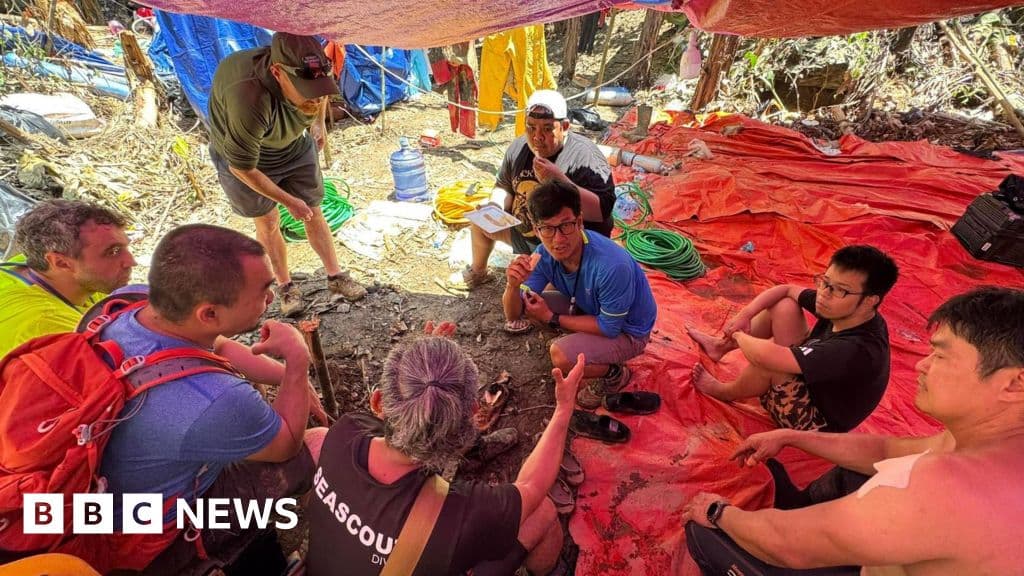
Survivors of the Laos cave rescue are aiding efforts to find the last two missing men trapped inside, sharing crucial insights for the search operation.
BBC World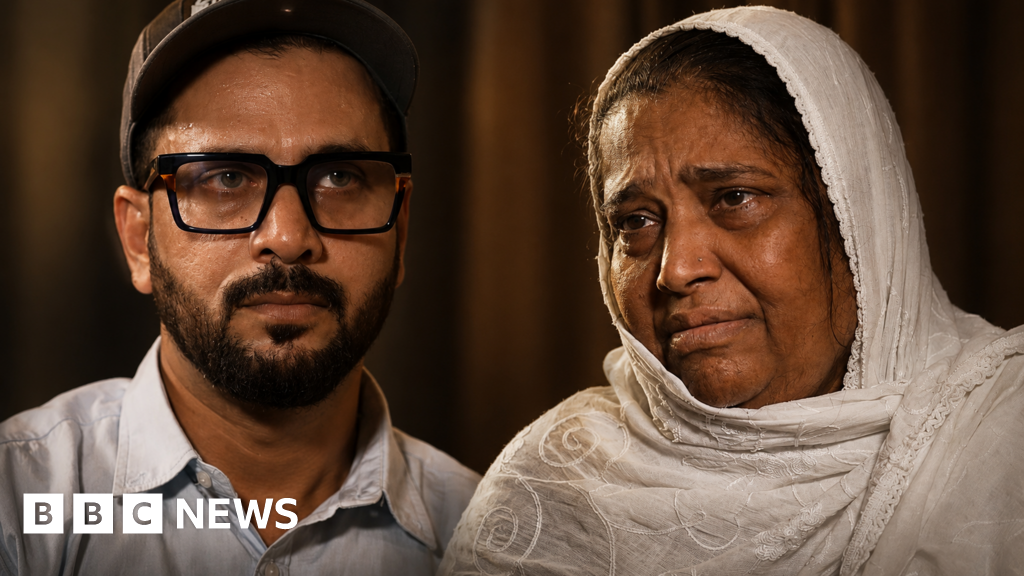
A year after the tragic Air India crash, the Ali family reflects on grief, unanswered questions, and the enduring bonds of love in the face of loss.
BBC Business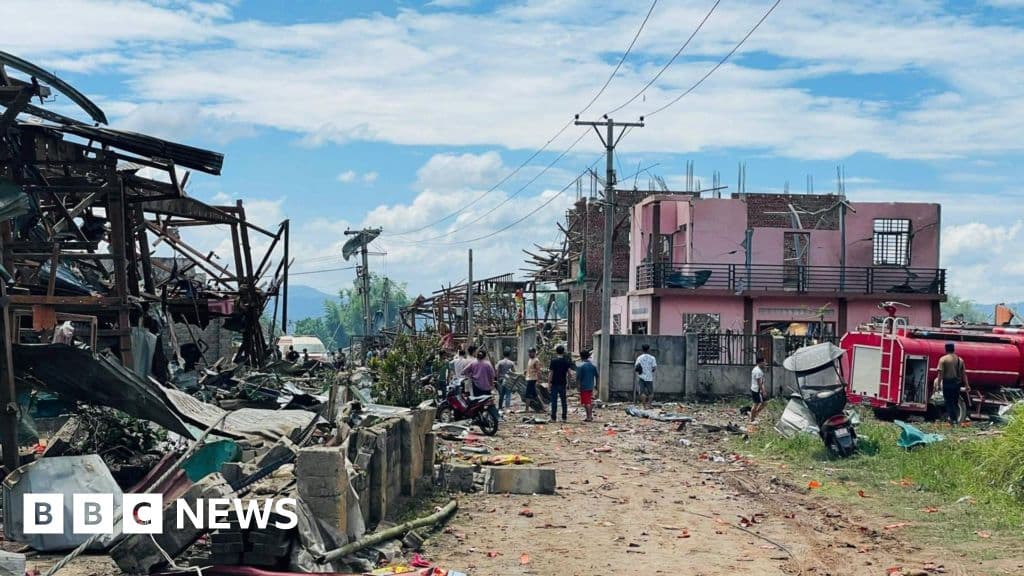
A devastating explosion in Myanmar's Kaung Tat village has killed at least 55 people, raising serious safety concerns and questions about civilian protection in conflict zones.
BBC World