

Image: The Verge
The IEA urges remote work and energy-saving measures amid the Iran conflict, warning of potential global fuel shortages. Discover what you can do.
GlipzoIn light of the ongoing war in Iran, the International Energy Agency (IEA) has issued a critical warning regarding potential fuel shortages that could impact countries worldwide. With the conflict intensifying and energy markets feeling the strain, the IEA is advocating for immediate actions to alleviate the looming crisis. The agency, which was established to maintain global energy security after the oil shock of the 1970s, emphasizes the urgent need for individuals, businesses, and governments to take proactive measures.
The IEA’s recommendations come at a time when many companies are encouraging employees to return to the office following the COVID-19 lockdowns. However, the current geopolitical climate may swiftly alter these plans, with remote work once again becoming a viable solution to mitigate energy demand. As the IEA's executive director, Fatih Birol, notes, addressing energy consumption is not just an option but a necessity in these turbulent times.
The IEA has outlined ten immediate actions that aim to curb energy demands amidst supply disruptions. These strategies focus on minimizing oil usage, particularly in transportation, which the IEA reports contributes to approximately 45% of global oil demand. Here’s a breakdown of the recommended actions:
1. Work from Home: Encourage remote work where feasible to reduce commuting-related oil consumption. 2. Lower Speed Limits: Implement a reduction in highway speed limits by a minimum of 10 km/h to decrease fuel usage. 3. Promote Public Transport: Encourage a shift from private vehicles to public transport systems like buses and trains. 4. Road Access Rotation: Introduce number-plate rotation schemes to limit the number of cars on the road in major urban areas. 5. Carpooling Initiatives: Increase car-sharing opportunities and promote eco-driving practices to optimize fuel efficiency. 6. Efficient Driving for Commercial Vehicles: Improve driving habits and vehicle maintenance for commercial fleets to minimize diesel consumption. 7. Switch LPG Use: Divert the use of liquefied petroleum gas (LPG) from transport to essential cooking needs. 8. Limit Air Travel: Reduce business travel by air when alternatives exist to lessen the demand for jet fuel. 9. Modern Cooking Solutions: Advocate for the use of electric cooking methods to decrease reliance on LPG. 10. Industry Flexibility: Encourage the petrochemical sector to adopt short-term efficiency measures and optimize operations to reduce oil consumption.
The urgency of these recommendations cannot be overstated. With gas prices in the United States experiencing significant surges following military actions against Iran, the implications of prolonged conflict are expected to intensify pressures on energy markets. The IEA is currently involved in an unprecedented release of emergency oil stocks, striving to stabilize supply while engaging in international diplomacy with key energy producers and consumers.
Fatih Birol emphasizes, “Supply-side measures alone cannot fully offset the scale of the disruption. Addressing demand is a critical and immediate tool to reduce pressure on consumers by improving affordability and supporting energy security.” This statement underscores the need for collective action at all levels of society to navigate through this crisis effectively.
While the IEA’s recommendations are voluntary, the onus is on governments and corporations to decide whether they will adopt these strategies. Some countries have already begun implementing measures to reduce oil consumption, yet the call to return to remote work has not been widely mandated. As the situation evolves, it remains crucial to monitor how various regions respond to these calls for action.
Looking ahead, it will be essential for stakeholders to remain vigilant and adaptable. The geopolitical landscape can shift rapidly, and energy supply chains may face further disruptions. As businesses evaluate their operational strategies, the potential for a renewed emphasis on remote work could reshape workplace dynamics once again, with far-reaching implications for energy consumption patterns.
In conclusion, the recommendations from the IEA serve as a timely reminder of the interconnectedness of global events and energy needs. The world is watching closely as governments and organizations weigh their responses to this critical juncture. The path forward will require collaboration, innovation, and a commitment to sustainable energy practices.
The energy crisis stemming from the Iran conflict presents a formidable challenge, but the proactive measures suggested by the IEA provide a roadmap for navigating these turbulent waters. As we move into an uncertain future, the emphasis on energy efficiency and alternative work arrangements could play a pivotal role in safeguarding global energy security. Individuals and organizations alike must heed these recommendations to foster resilience in the face of adversity.
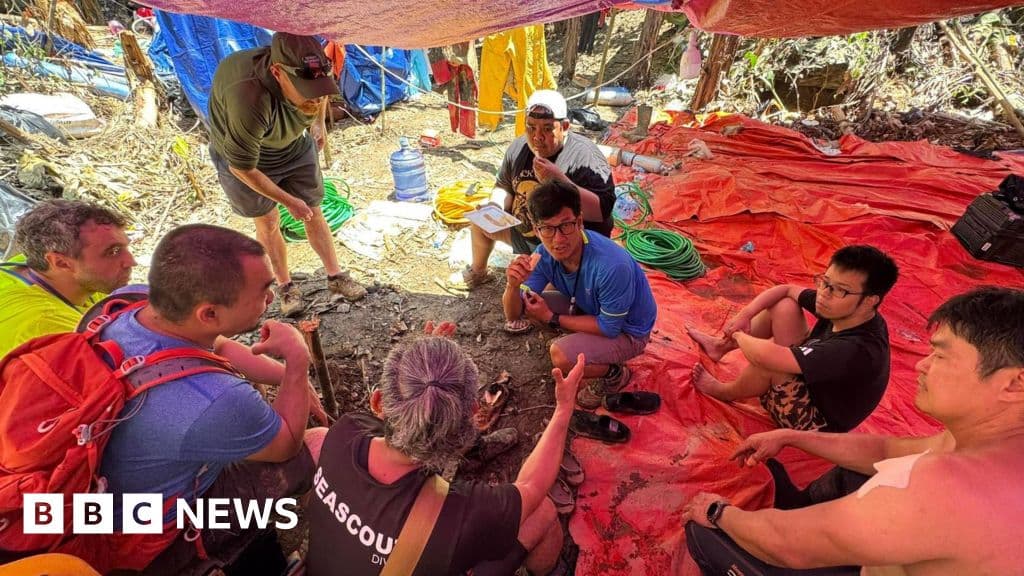
Survivors of the Laos cave rescue are aiding efforts to find the last two missing men trapped inside, sharing crucial insights for the search operation.
BBC World
A year after the tragic Air India crash, the Ali family reflects on grief, unanswered questions, and the enduring bonds of love in the face of loss.
BBC Business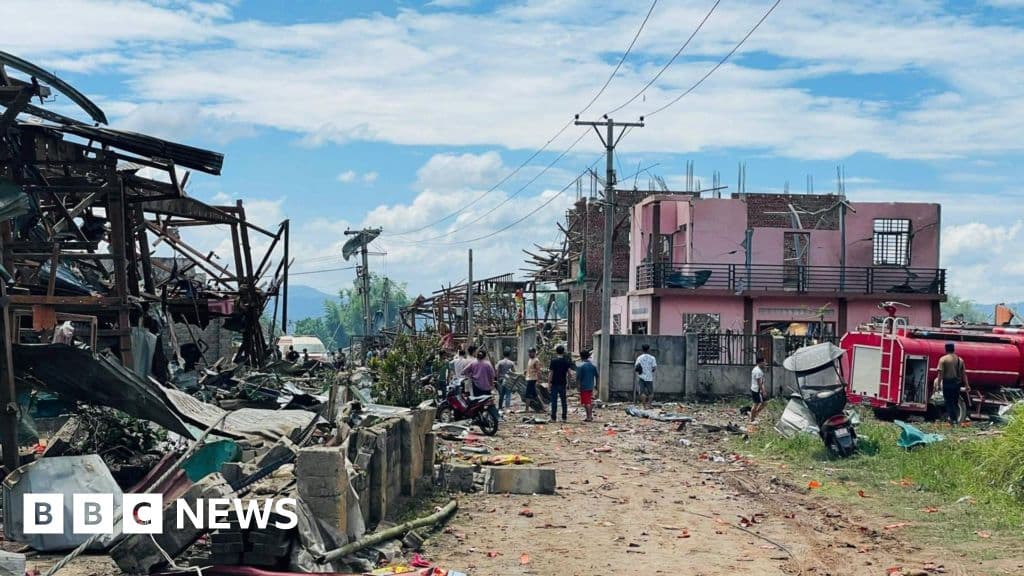
A devastating explosion in Myanmar's Kaung Tat village has killed at least 55 people, raising serious safety concerns and questions about civilian protection in conflict zones.
BBC World