
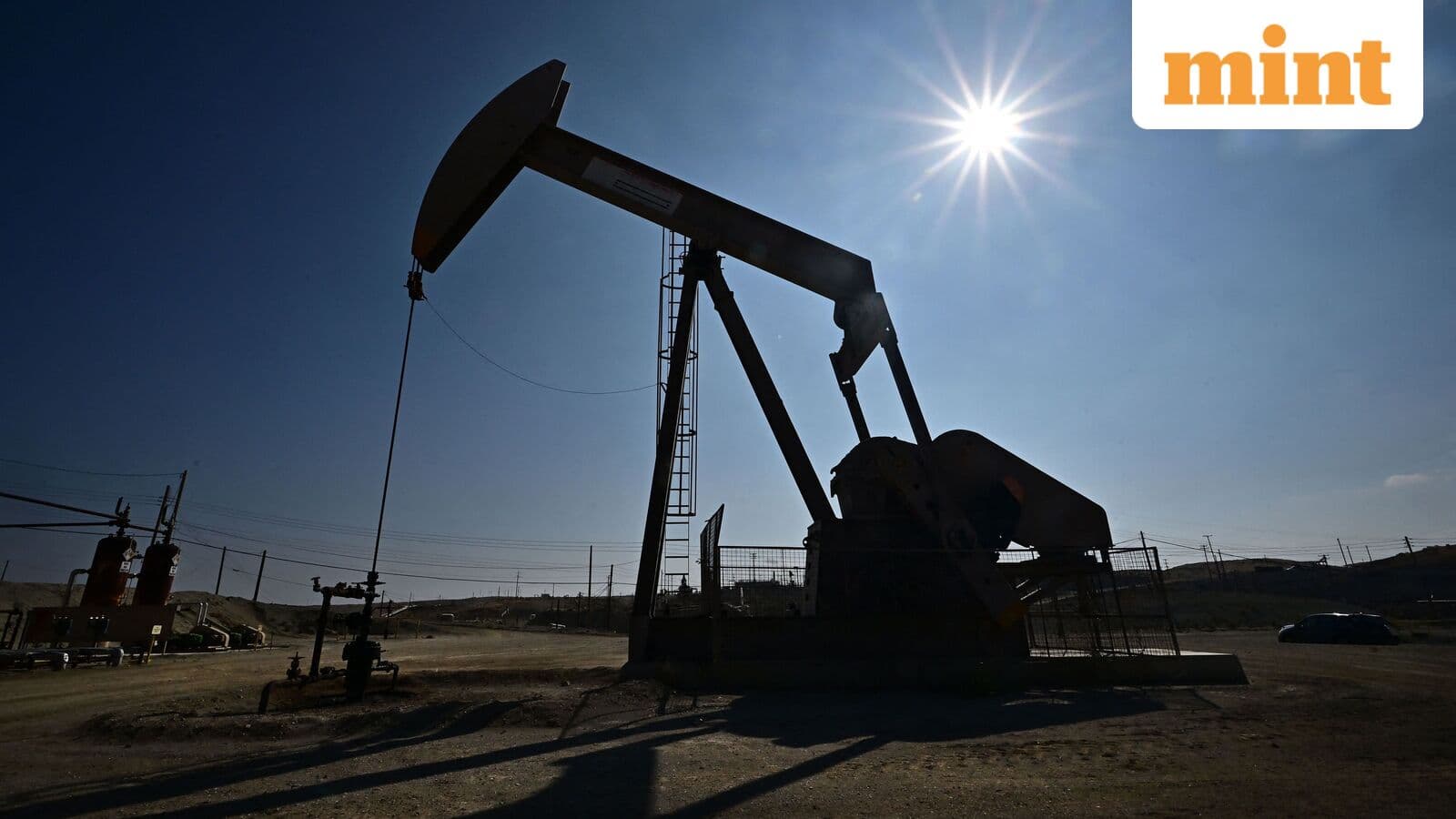
Image: Mint (Business)
Discover how the IEA's new recommendations aim to alleviate rising oil prices amid ongoing geopolitical tensions. Explore actionable steps for consumers.
GlipzoIn a timely advisory issued on Friday, the International Energy Agency (IEA) has urged individuals and businesses to adopt certain practices aimed at alleviating the escalating oil prices caused by the ongoing conflict in West Asia. This guidance comes in the wake of intense geopolitical tensions involving the U.S. and Israel's military actions against Iran, which have significantly impacted global energy markets.
With oil prices soaring past $100 per barrel, the IEA's recommendations are crucial for consumers feeling the pinch at the pump. The agency's advice includes working from home, reducing air travel, and other measures designed to ease the pressure on oil supplies and, by extension, on household budgets worldwide.
The conflict in the Middle East has triggered what the IEA describes as the largest supply disruption in the history of the global oil market. The Strait of Hormuz, a critical shipping route responsible for transporting approximately 20% of the world's oil, has seen its traffic severely diminished due to heightened hostilities. This disruption has immediate ramifications for countries heavily reliant on oil imports, such as India, which imports around 88% of its crude oil needs.
The rise in oil prices poses a significant risk to India's economy, potentially widening the current account deficit and putting pressure on the rupee. Although fuel prices in major Indian cities have remained stable recently, the cost of Liquefied Petroleum Gas (LPG) has surged by ₹60 per cylinder, further straining household budgets.
The IEA's advisory outlines various actionable steps that can be taken by individuals, businesses, and governments to mitigate the economic fallout from the crisis. Here are the main recommendations: - Work from Home: To minimize commuting and reduce oil consumption. - Reduce Highway Speeds: Lowering speed limits by at least 10 km/h can lead to significant fuel savings. - Encourage Public Transport: Shifting from private vehicles to public transport can ease congestion and lower fuel demand. - Implement Number-Plate Rotation: In major cities, rotating vehicle access based on license plates can reduce traffic and fuel usage. - Promote Car Sharing: Increasing vehicle occupancy and adopting eco-driving practices can quickly decrease fuel consumption. - Efficient Driving for Commercial Vehicles: Better driving habits and vehicle maintenance can help cut diesel use effectively. - Divert LPG Use: Shifting LPG from vehicles to cooking can preserve it for essential needs. - Limit Air Travel: Reducing non-essential business flights can alleviate pressure on jet fuel markets. - Switch to Alternative Cooking Solutions: Encouraging electric cooking can lessen reliance on LPG. - Optimize Petrochemical Feedstocks: Industries can adjust operations to free up LPG for critical uses and minimize oil consumption.
The IEA's recommendations not only aim to cushion the immediate economic impacts of the crisis but also highlight a broader trend towards energy conservation in times of geopolitical uncertainty. With IEA Executive Director Fatih Birol warning that the situation could worsen without swift resolution, these measures could be pivotal in managing both current and future energy demands.
Furthermore, as consumers and businesses adapt to these guidelines, there may be a lasting shift towards more sustainable behaviors. The conflict serves as a stark reminder of the vulnerabilities in global energy supply chains and the importance of diversifying energy sources.
As the world watches the developments in West Asia, the focus will be on how these recommendations are embraced by the public and industries alike. Key aspects to monitor include: - Government Response: How policymakers will implement strategies to support consumers during this crisis. - Economic Indicators: Watching for inflation rates and how they react to ongoing oil price fluctuations. - Market Adjustments: The response of oil companies and producers to the IEA's guidance and geopolitical developments. - Public Adaptation: The willingness of consumers to change their commuting habits and energy consumption patterns in response to the advisory.
In conclusion, the IEA's comprehensive recommendations serve as a crucial guide for navigating the tumultuous waters of global energy markets amid ongoing conflict. The effectiveness of these measures will depend on collective action and commitment from all sectors of society. Adapting to this new reality could not only alleviate current pressures but also pave the way for a more sustainable energy future.
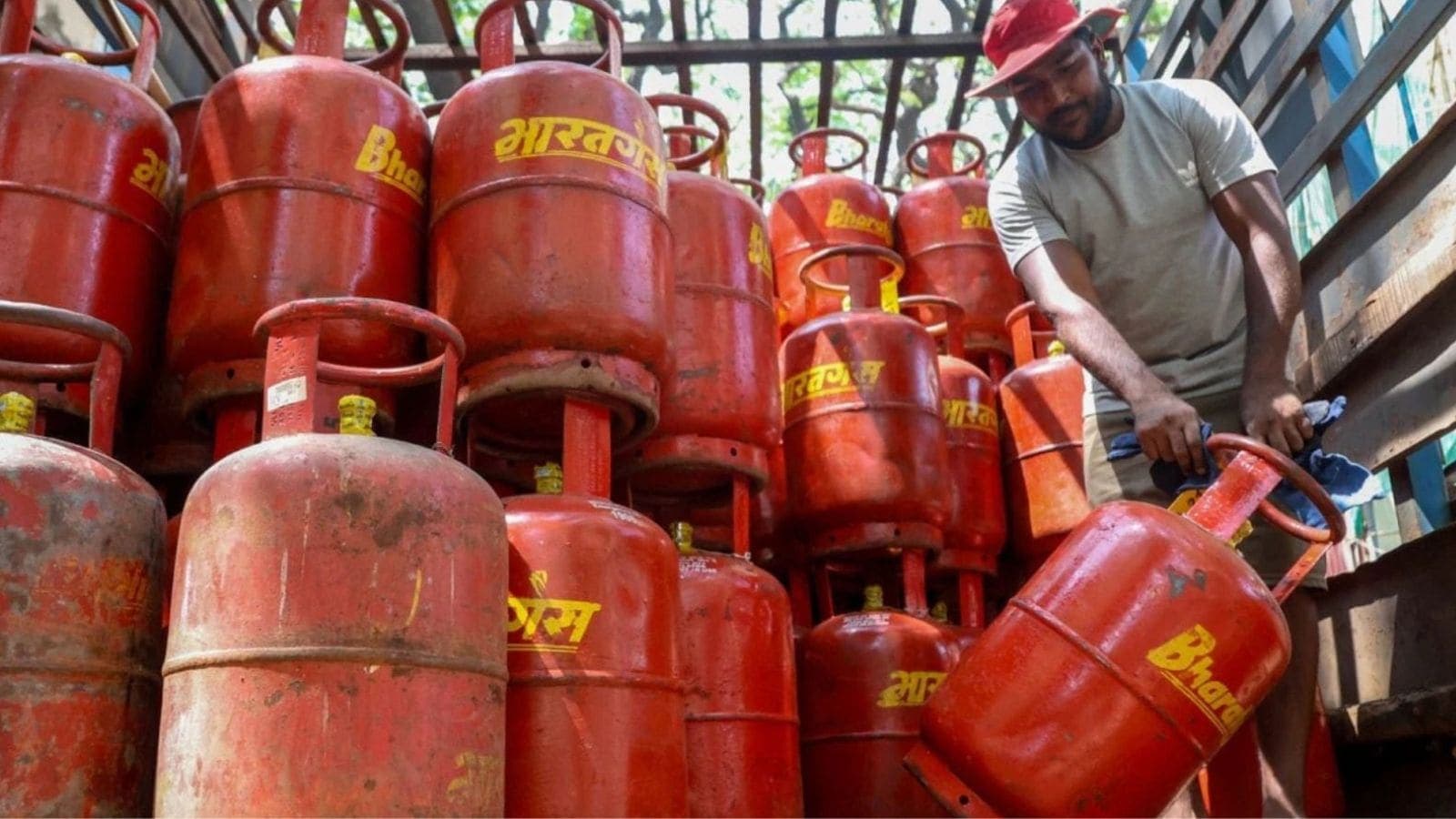
Commercial LPG prices have risen again, with increases of ₹42 in Delhi and ₹53.50 in Kolkata impacting businesses and consumers alike. Find out more.
Indian Express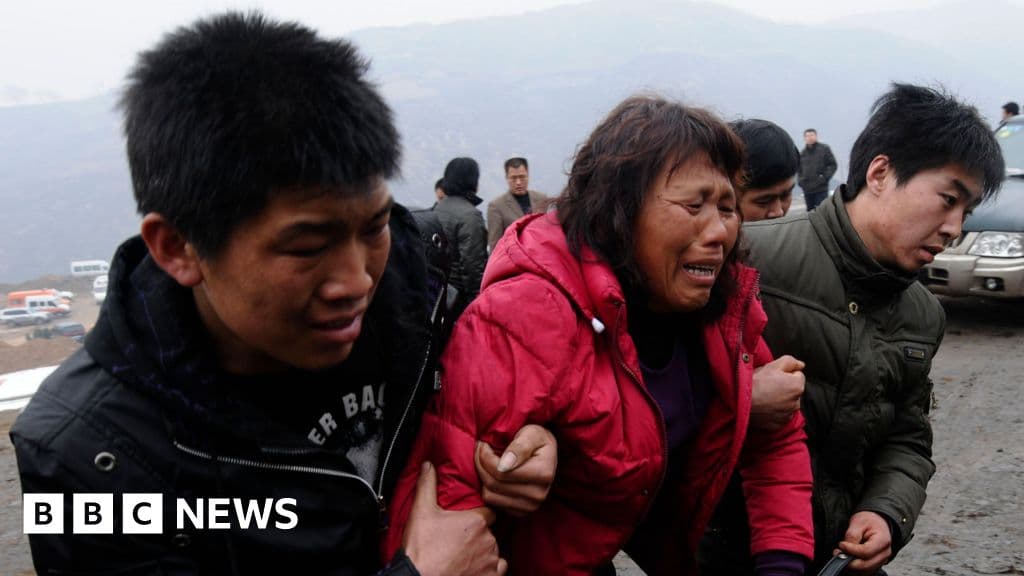
Discover how a tragic coal mine explosion in Shanxi, China, reveals ongoing safety concerns in the industry amidst a push for green energy.
BBC Business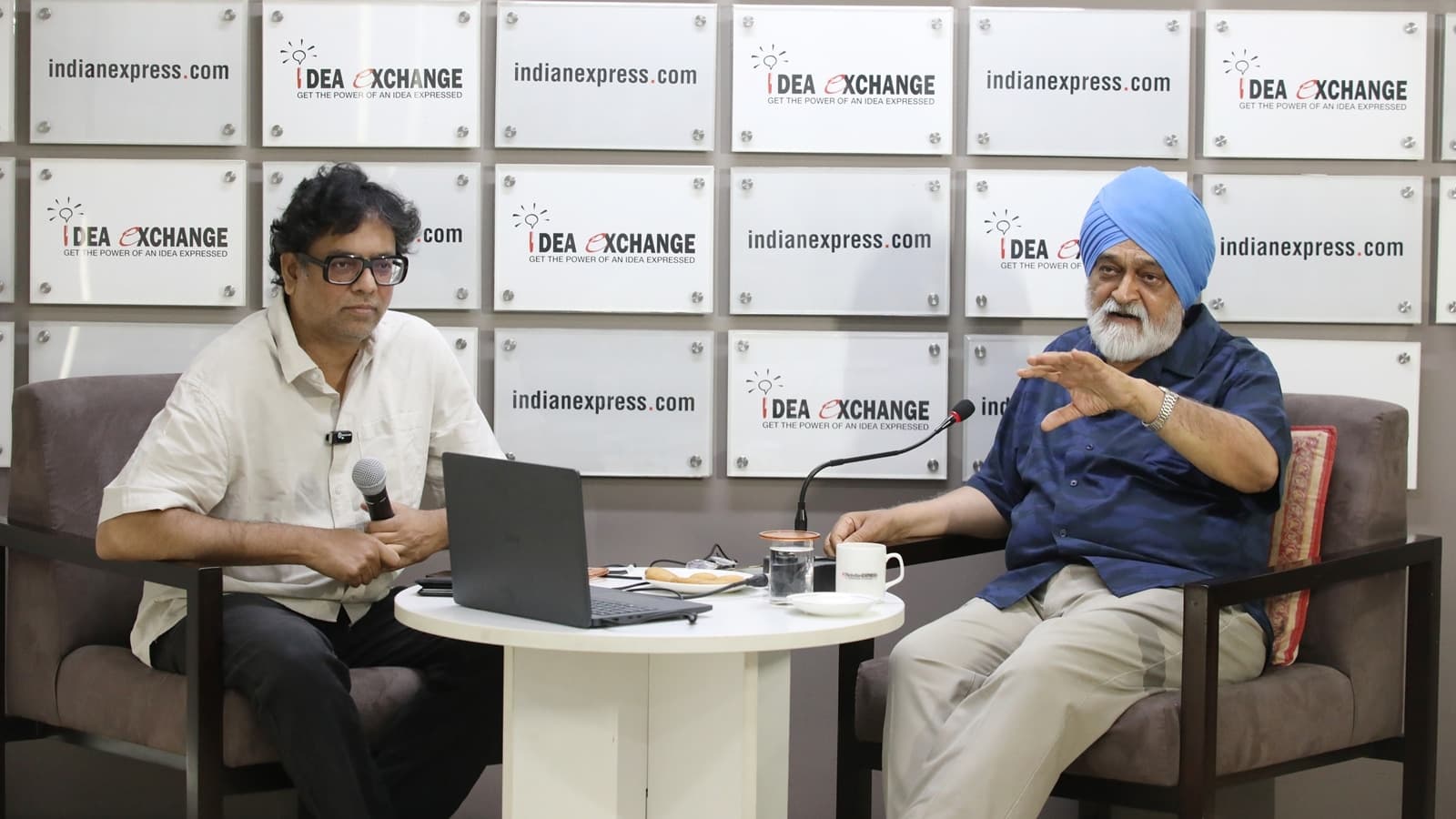
Montek Singh Ahluwalia highlights key economic challenges for India, emphasizing the need for a strategic approach to balance payments and investment.
Indian Express