

Image: BBC Business
Discover how falling share prices can affect your finances, especially your pension, and learn strategies to prepare for market volatility.
GlipzoIn a recent statement, Sarah Breedon, the deputy governor of the Bank of England, has raised concerns about the current state of share prices, suggesting they may be illogically high. Breedon anticipates a decline in share prices, largely due to the numerous risks that loom over the global economy. This prediction has sent ripples through financial markets and has significant implications for everyday individuals, especially those with vested interests in pension schemes.
While many may view share prices as a distant concern, the truth is that they deeply influence the financial health of millions. The London Stock Exchange is home to shares from some of the largest UK companies, whose performance is often highlighted in the news. However, the connection between stock market fluctuations and individual finances is not always clear.
Many people may feel insulated from the whims of the stock market if they don’t actively invest. However, pensions, whether private or employer-sponsored, often invest in the stock market on behalf of their members. This means that the value of these pension pots is directly tied to how well the market performs. With hundreds of billions of pounds currently held in defined contribution pensions, significant fluctuations in share prices can have a profound impact on retirement savings.
Most pension savers allow financial experts to manage their investments, which are expected to grow over time. Therefore, widespread declines in stock prices could spell bad news for those reliant on their pensions. The average individual may not realize that their future financial stability hinges on market performance.
As individuals approach retirement, the stakes increase. The value of their pension pot will determine the retirement income they can secure, often through annuities. During this phase, pension funds are generally shifted towards less volatile investments, like government bonds, which may perform better when stock markets are down.
For those actively withdrawing from their pension pots, market performance is crucial. A downturn can drastically reduce the amount available when cashing out, leading to potential financial shortfalls. Experts advise careful planning to navigate these challenges, particularly in times of economic uncertainty.
If share prices decline for an extended period, the repercussions could extend beyond individual finances to broader economic implications, including job cuts. Investors typically expect returns, and prolonged drops in share prices may compel companies to reassess their financial strategies, potentially leading to cost-cutting measures that affect employment.
Interestingly, while falling share prices may seem alarming, they can also present investment opportunities. Savvy investors often view lower stock prices as chances to purchase shares at a discount, banking on a future recovery. This strategy is commonly employed through stocks and shares ISAs, which allow individuals to invest in a diversified portfolio.
Experts emphasize the importance of diversification, warning that investments always carry risks. It’s crucial for investors to spread their assets across various investment types to mitigate potential losses. For instance, tracker funds mimic the performance of specific indices, like the FTSE 100, and can help manage investment risk.
The implications of falling share prices extend beyond the immediate financial sphere; they reflect broader economic conditions that can affect everyone, regardless of their investment status. With millions relying on pensions and other investments tied to the stock market, understanding these dynamics becomes essential for personal financial planning.
As we look ahead, it is crucial for individuals to stay informed and proactive about their financial future. Regularly reviewing pension plans and investment strategies will be vital in navigating the uncertainties that accompany market fluctuations.
Moving forward, individuals should remain vigilant about economic indicators and market trends. As central banks, like the Bank of England, adjust their policies in response to economic conditions, the impact on share prices will likely continue to evolve.
By staying informed and prepared, individuals can better navigate the complexities of falling share prices and their potential impact on personal finances.
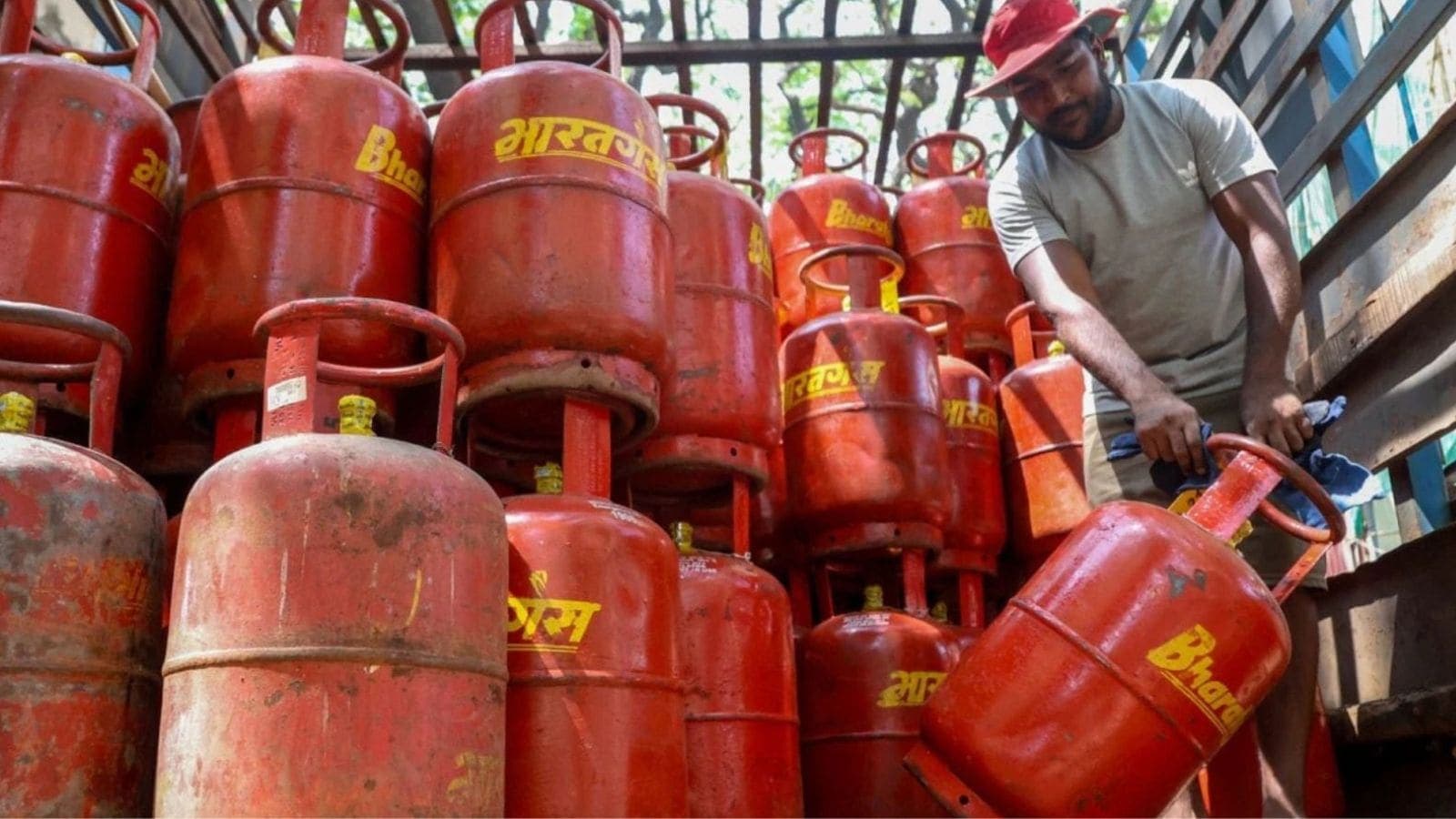
Commercial LPG prices have risen again, with increases of ₹42 in Delhi and ₹53.50 in Kolkata impacting businesses and consumers alike. Find out more.
Indian Express
Discover how a tragic coal mine explosion in Shanxi, China, reveals ongoing safety concerns in the industry amidst a push for green energy.
BBC Business
Montek Singh Ahluwalia highlights key economic challenges for India, emphasizing the need for a strategic approach to balance payments and investment.
Indian Express