
Image: BBC Business
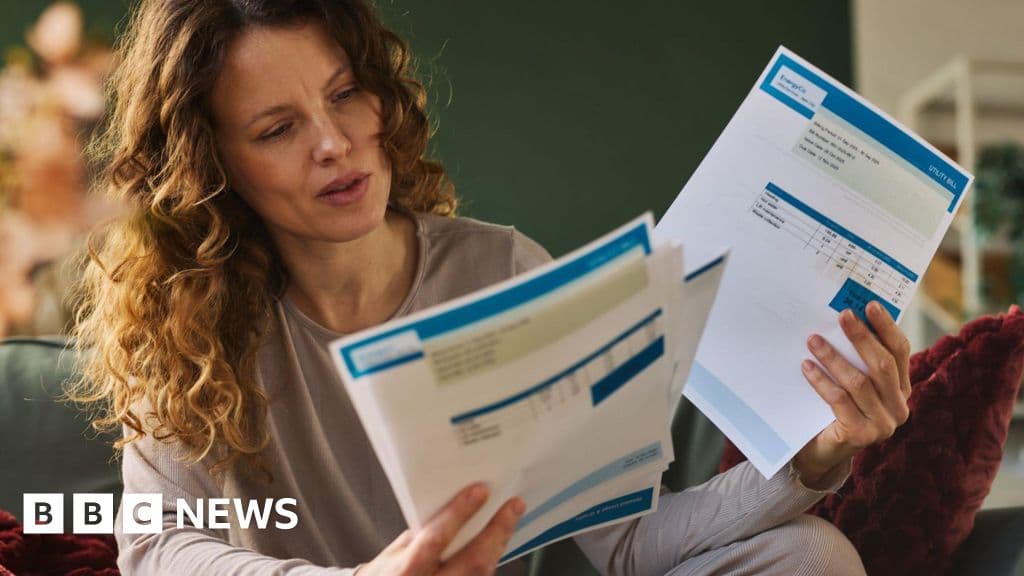
Energy bills are set to rise by 13% due to the Iran war's impact. Discover how this affects UK households and what measures can help mitigate costs.
GlipzoHouseholds across the UK are bracing for a significant increase in energy bills this July, driven by escalating wholesale costs linked to the ongoing conflict in Iran. For the first time, the repercussions of this geopolitical crisis will directly affect consumers' wallets. The energy regulator, Ofgem, is set to announce a new price cap that will impact millions of homes with variable tariffs in England, Scotland, and Wales.
Analysts are forecasting that the price cap will rise by a staggering 13%, resulting in an average annual household energy bill climbing to £1,850. This translates to an additional £209 per year for families relying on gas and electricity. The timing of this announcement coincides with a record-breaking heatwave sweeping across the UK, adding urgency to the need for consumers to adapt their energy usage habits.
The energy price cap, which Ofgem revises every three months, reflects the dynamic nature of energy costs. Previously, domestic energy bills experienced a 7% reduction between April and July, a relief that followed a governmental overhaul of energy charges just before the Iran conflict escalated. However, the upcoming cap adjustment from July to September will incorporate a 25% surge in global gas prices, primarily due to the effective closure of the Strait of Hormuz, a critical maritime route for oil and gas shipments.
The wholesale price, which constitutes approximately 40% of a household's gas and electricity bill, is a pivotal factor in determining the energy costs consumers face. Some energy suppliers are predicting that prices could continue to climb even further as we approach the colder months of autumn and winter, when energy consumption typically spikes.
In light of these developments, the UK government has indicated it is formulating plans to offer targeted assistance to those most affected by the impending rise in energy costs. Many households are already grappling with an increased annual expenditure on energy, with typical bills soaring by around £600 compared to pre-crisis levels. The financial strain is particularly acute for vulnerable groups, including individuals with disabilities who require consistent energy use to operate essential medical equipment.
The energy price cap currently affects around 19 million households in England, Wales, and Scotland, although Northern Ireland has a different regulatory framework. The cap establishes the maximum charge that customers can incur for each unit of gas and electricity via variable tariffs. Notably, those on fixed tariffs will not see any changes to their rates until the conclusion of their contractual periods.
Ofgem's methodology for determining the price cap hinges on a standard measure of energy consumption. They typically calculate the annual energy bill for a "typical household" utilizing 11,500 kWh of gas and 2,700 kWh of electricity, paid through a single direct debit bill. However, there are discussions within Ofgem about potentially revising what constitutes a “typical” energy consumption level.
This re-evaluation comes in response to the reality that many households have actively reduced their energy use over the past few years due to escalating costs and enhanced energy efficiency measures. While this adjustment may obscure the stark reality of rising prices, it does not alter the fundamental truth that consumers will ultimately pay more for their energy.
In response to the looming increase in energy bills, experts suggest that households can take proactive steps to mitigate costs. Many consumers have already implemented energy-saving measures, including:
By revisiting and reinforcing these habits during the current hot summer months, families may better prepare for the anticipated rise in energy costs as winter approaches.
As the situation evolves, it will be crucial to monitor both the government's response and the energy market's fluctuations. The ongoing conflict in Iran and its impact on global energy supplies will likely continue to exert pressure on household energy prices. Moreover, as winter approaches and energy demand increases, consumers should remain vigilant about managing their energy consumption and exploring available support options.
In conclusion, the intersection of geopolitical events, energy pricing, and household finances underscores the importance of staying informed and proactive in energy management strategies. With rising costs on the horizon, consumers must adapt and brace for what lies ahead.
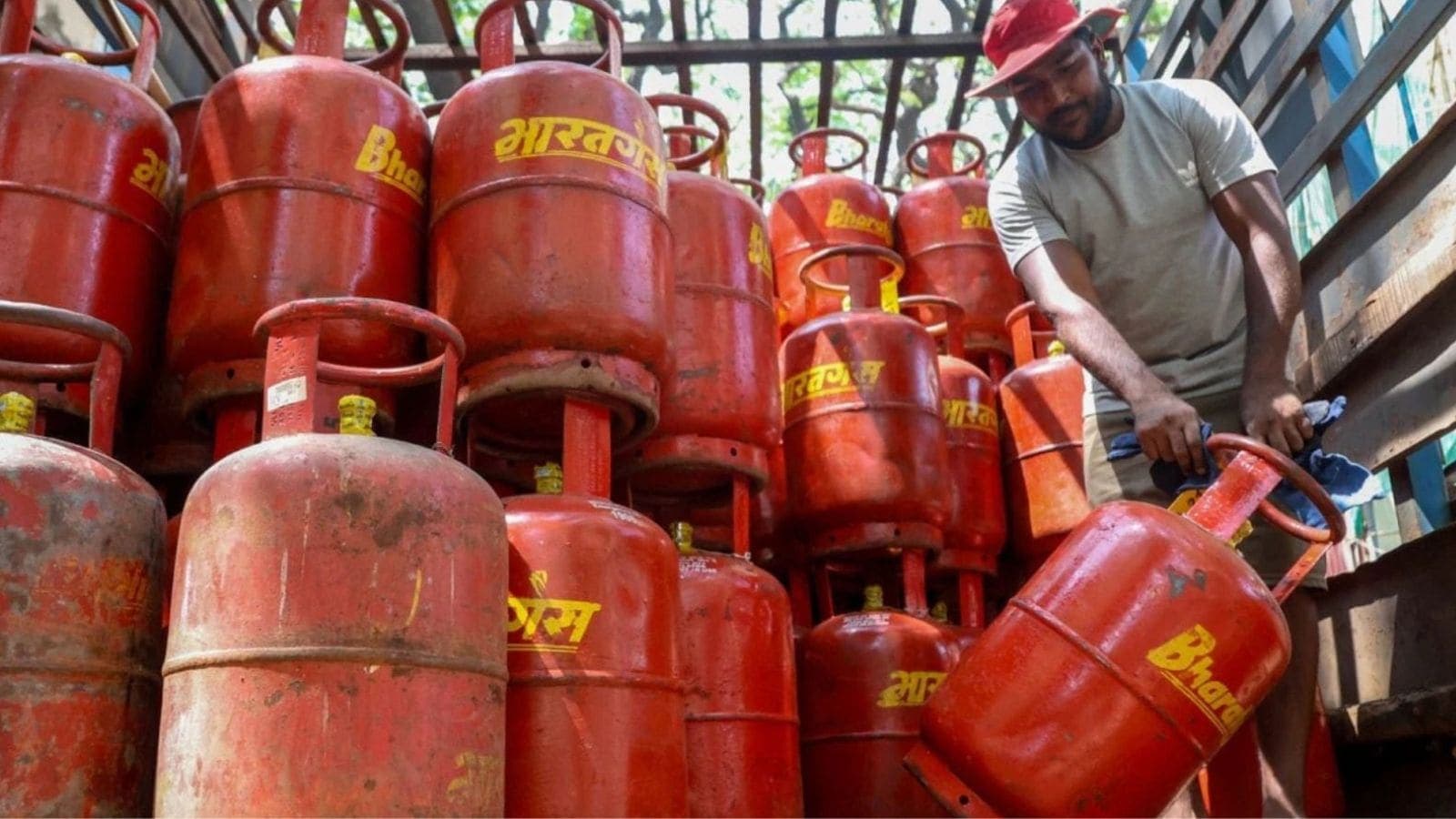
Commercial LPG prices have risen again, with increases of ₹42 in Delhi and ₹53.50 in Kolkata impacting businesses and consumers alike. Find out more.
Indian Express
Discover how a tragic coal mine explosion in Shanxi, China, reveals ongoing safety concerns in the industry amidst a push for green energy.
BBC Business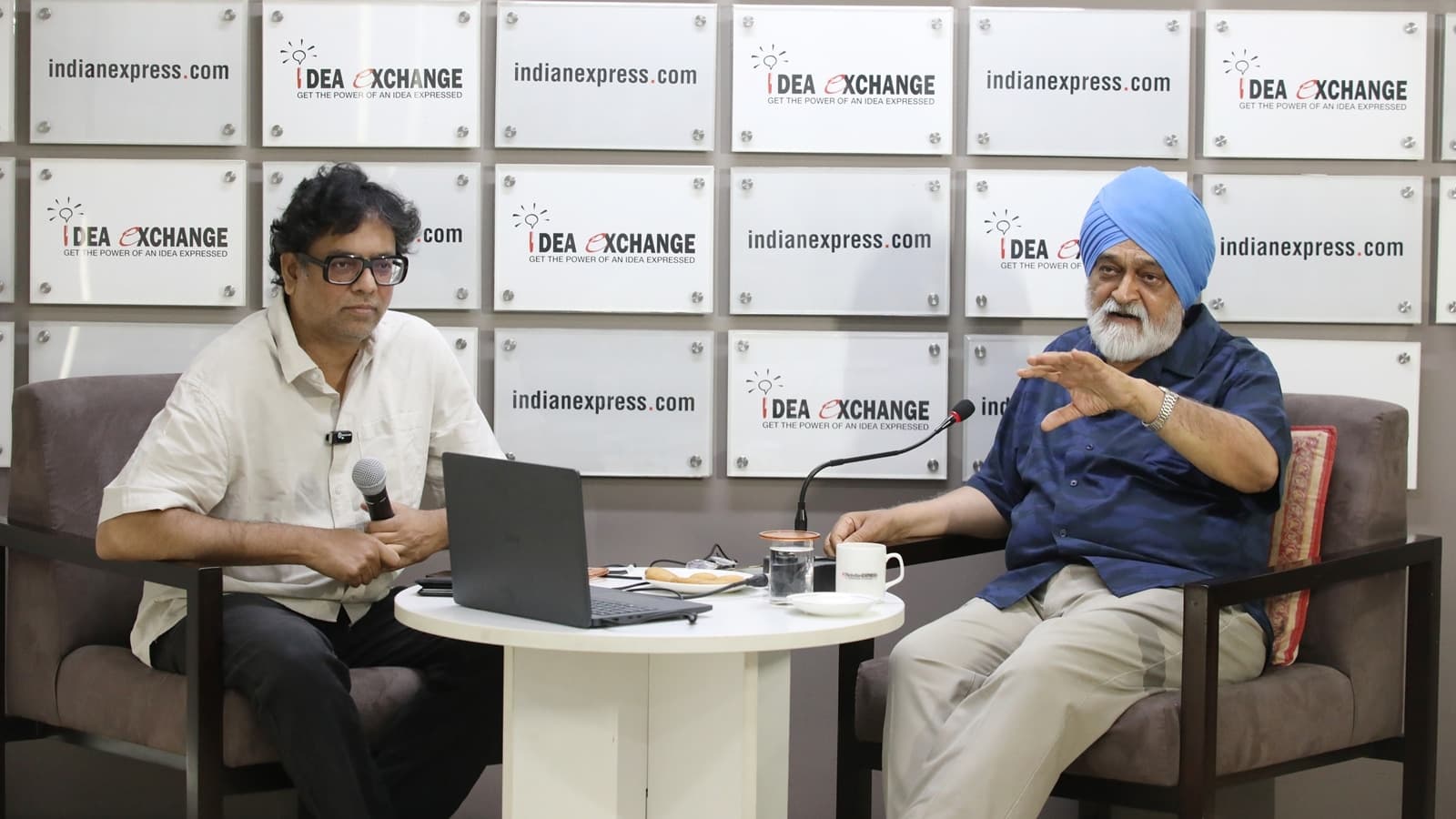
Montek Singh Ahluwalia highlights key economic challenges for India, emphasizing the need for a strategic approach to balance payments and investment.
Indian Express