

Image: BBC Business
UK faces rising energy, food, and flight prices for months due to the Iran war. What does this mean for consumers? Click to learn more.
GlipzoAs the US-Israel conflict over Iran unfolds, the UK faces a potential spike in the prices of essential goods and services, including energy, food, and air travel. In a recent statement, Darren Jones, the Chief Secretary to the Prime Minister, warned that these price increases could persist for at least eight months following the resolution of the war. This announcement raises concerns about the economic stability of the UK, prompting the government to take proactive measures in response to the anticipated supply chain disruptions.
The Middle East has seen significant disruptions in energy production and transportation due to the ongoing conflict. As a result, global supply chains are experiencing considerable strain, leading to escalating prices worldwide. In light of this situation, the UK government is closely monitoring the economic repercussions, particularly regarding food shortages that could emerge by summer, affecting staples like chicken and pork.
In response to the looming crisis, the UK government is actively working to ease public concern. Officials are encouraging citizens to continue their usual activities, such as filling up their vehicles with petrol and maintaining travel plans, despite fears of potential fuel shortages. Jones emphasized that while there may be price pressures, the likelihood of empty supermarket shelves remains low.
During an appearance on the BBC's Sunday with Laura Kuenssberg, Jones explained that the government aims to assess the war's economic impact thoroughly. He stated, "Our best guess is eight plus months from the point of resolution that you'll see economic impacts coming through the system." He attributed these challenges to decisions made by US President Donald Trump regarding the Middle East.
The Prime Minister, Sir Keir Starmer, is scheduled to convene a Cabinet committee meeting to address potential shortfalls in supply, while a dedicated group of ministers meets bi-weekly to monitor stock levels and supply chain disruptions. These meetings reflect the government's commitment to preparing for and mitigating the fallout from the conflict.
Adding to the urgency of the situation, the International Monetary Fund (IMF) recently projected that the energy shock stemming from the war would disproportionately impact the UK compared to other advanced economies. Their revised growth forecast for the UK has dropped to 0.8%, down from an earlier estimate of 1.3%.
Jones acknowledged the interconnectedness of global events and their influence on domestic markets, stating, "What happens abroad will still affect us here at home." This sentiment underscores the need for the UK to remain vigilant in its economic planning amid evolving geopolitical tensions.
In anticipation of possible shortages, the government is also addressing the supply of carbon dioxide (CO2), crucial for food preservation and the slaughtering of livestock. With the Strait of Hormuz facing effective closure, the UK is bracing for disruptions in CO2 supply. The government has begun efforts to revitalize the Ensus bioethanol plant, which produces CO2 as a by-product, ensuring that the country maintains a steady supply.
A spokesperson from the plant expressed confidence in their ability to meet the nation's CO2 needs for the foreseeable future. However, concerns remain about the availability of draught beer in pubs during the summer Men's Football World Cup, as Jones highlighted the importance of preventing any shortages during this high-profile event.
The agricultural sector is also feeling the strain, with the National Farmers' Union alerting the public to potential price increases for cucumbers and tomatoes within the next six weeks. The cost of other crops and milk is expected to rise in the coming three to six months. These developments emphasize the cascading effects of the conflict on various sectors of the economy.
As countries grappling with the repercussions of the conflict implement measures to curtail fuel consumption, airlines are also adjusting their operations to cope with rising costs. The situation remains fluid, and the government is working closely with supermarkets and suppliers to prepare for the worst-case scenarios.
As the UK navigates the complexities of the ongoing conflict in the Middle East, the focus will remain on stabilizing the economy and ensuring that essential goods remain accessible to consumers. The government's proactive measures and contingency planning will be crucial as the situation evolves.
Looking forward, it is vital for citizens to stay informed about price changes and supply availability, as well as government advisories regarding energy consumption and travel. The next several months will be critical in determining the long-term economic impact of the Iran war on the UK, and ongoing updates from ministers will help provide clarity on the situation.
In summary, while the immediate future may be challenging, the government is committed to addressing these issues head-on. The path ahead will require vigilance and adaptability as the UK faces the fallout from international conflicts impacting domestic stability.
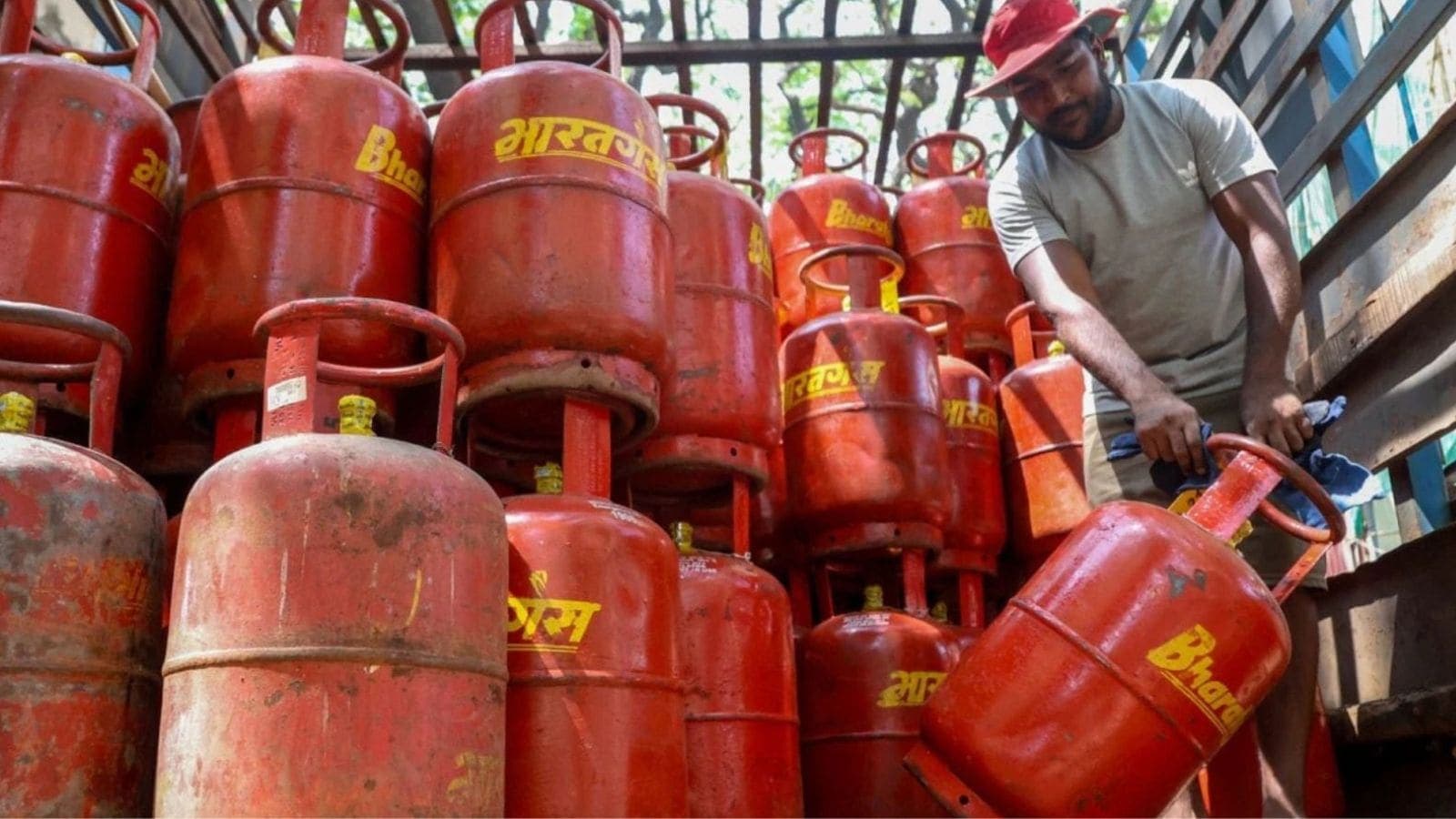
Commercial LPG prices have risen again, with increases of ₹42 in Delhi and ₹53.50 in Kolkata impacting businesses and consumers alike. Find out more.
Indian Express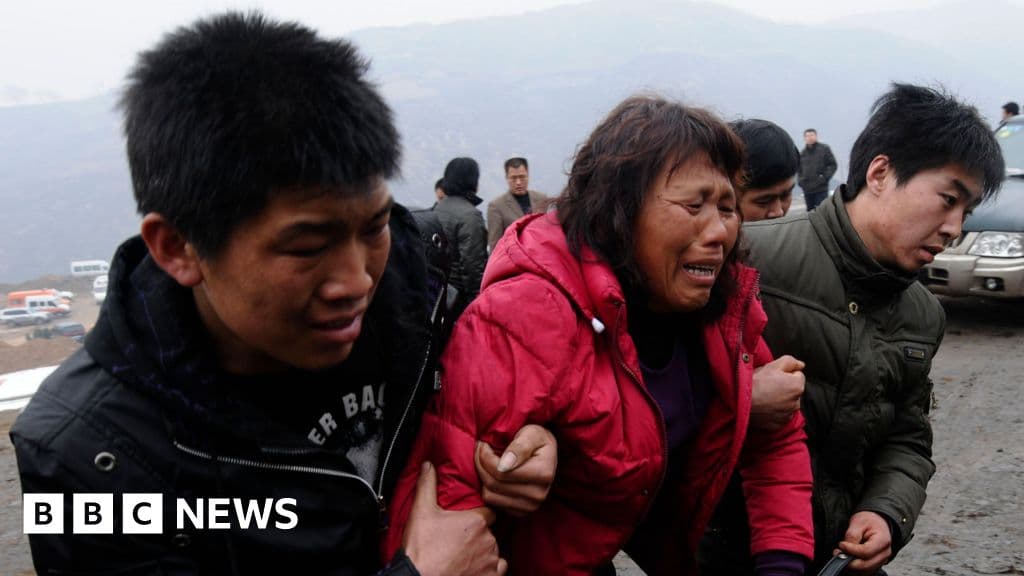
Discover how a tragic coal mine explosion in Shanxi, China, reveals ongoing safety concerns in the industry amidst a push for green energy.
BBC Business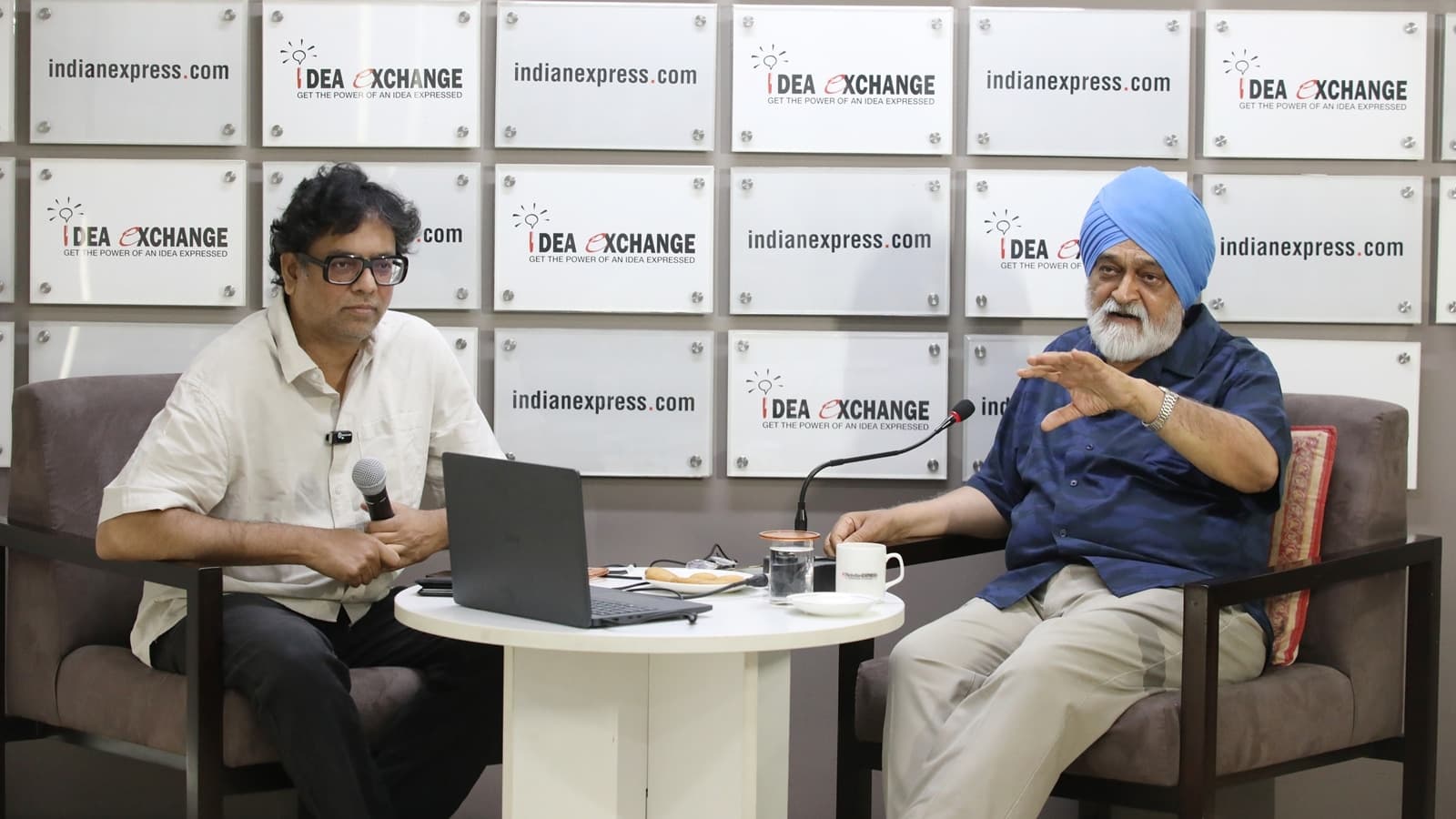
Montek Singh Ahluwalia highlights key economic challenges for India, emphasizing the need for a strategic approach to balance payments and investment.
Indian Express