
Glipzo
WorldTechnologyBusinessSportsEntertainmentScienceHealthPolitics
Glipzo
WorldTechnologyBusinessSportsEntertainmentScienceHealthPolitics
  1. Home
  2. /
  3. World
  4. /
  5. Hezbollah's New Drone Warfare: A Game-Changer for Israel
Hezbollah's New Drone Warfare: A Game-Changer for Israel

Image: BBC World

World
Friday, May 29, 20265 min read

Hezbollah's New Drone Warfare: A Game-Changer for Israel

Hezbollah's use of fibre-optic drones marks a new threat to Israel amid ongoing conflict. Discover how this technology is reshaping warfare on the border.

Glipzo News Desk|Source: BBC World
Share
Glipzo

Key Highlights

  • Hezbollah's fibre-optic drones pose a new threat to Israel.
  • Over 100 drone attacks recorded against Israeli communities since April.
  • Drones are harder to detect than traditional rockets, increasing danger.
  • Iran's influence on Hezbollah's drone strategy may escalate tensions.
  • Residents live in fear as drone attacks disrupt daily life.

In this article

  • **Hezbollah's Drone Strategy: A New Era of Warfare** The conflict between Hezbollah and Israel has taken a dramatic turn, with **fibre-optic drones** emerging as a formidable weapon for the Lebanese militant group. These drones pose a critical threat to both Israeli soldiers and civilians along the **Lebanese border**, especially as hostilities continue six weeks into a fragile ceasefire. This alarming development underscores the evolving nature of warfare in the region, as Hezbollah adapts tactics inspired by recent conflicts, including the ongoing war in **Ukraine**.
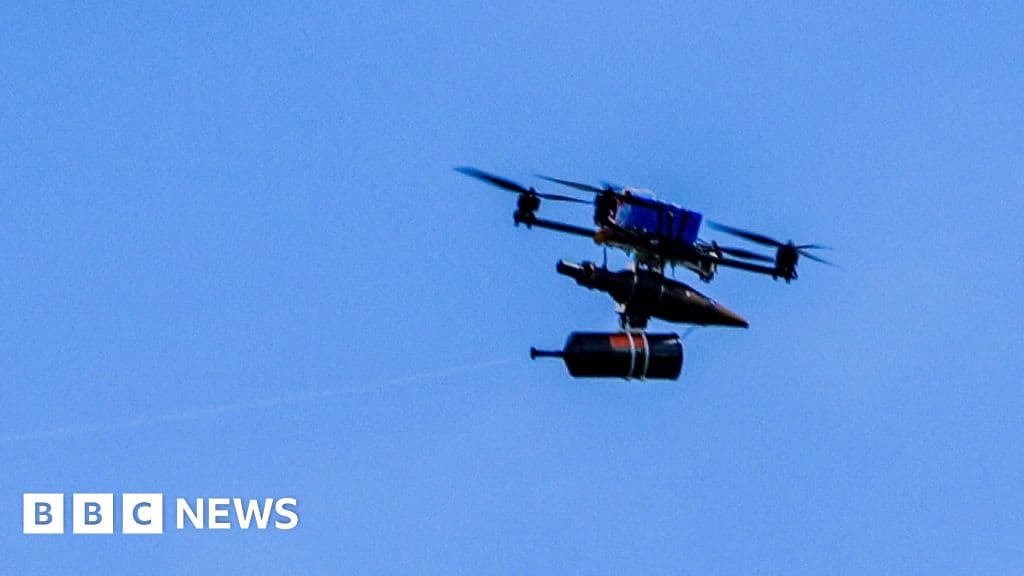
  • **The Mechanics Behind the Drones** Hezbollah's utilisation of fibre-optic drones, also known as **First-Person View (FPV)** drones, marks a significant shift in their strategy. Unlike traditional rockets and mortars, these drones are stealthy and difficult to intercept. They carry explosives and glide at low altitudes, evading radar detection and military jamming efforts. The drones are linked to their operators through a thin fibre-optic cable, allowing for real-time visuals and precision targeting on the ground.
  • **Shomera: A Town Under Siege** The impact of these drone assaults is vividly illustrated in Shomera, where the aftermath of strikes leaves behind trails of **fibre-optic wires** scattered across roads. One resident, Amichai Ben David, recounted a harrowing experience as a drone approached his home. > "[The drone] came and we rushed into the house. The soldiers outside shot at it, and managed to knock it out of the air. They saved us, thank god."
  • **Israel's Military Response and Concerns** The Israeli military is acutely aware of the challenges posed by these drones. According to assessments from the Alma Research Center, Hezbollah is believed to have trained dozens of drone operators and possesses a substantial inventory of these inexpensive aerial devices, each costing between **$300 and $400**. The strategic increase in drone attacks is seen as a directive from **Iran**, reflecting the broader geopolitical tensions in the region.
  • **What Lies Ahead in the Conflict?** As the situation unfolds, the ongoing drone warfare will likely shape the future of the conflict between Israel and Hezbollah. With the potential for increased aggression and the introduction of further advanced technologies, both sides must navigate a complex battlefield.

**Hezbollah's Drone Strategy: A New Era of Warfare** The conflict between Hezbollah and Israel has taken a dramatic turn, with **fibre-optic drones** emerging as a formidable weapon for the Lebanese militant group. These drones pose a critical threat to both Israeli soldiers and civilians along the **Lebanese border**, especially as hostilities continue six weeks into a fragile ceasefire. This alarming development underscores the evolving nature of warfare in the region, as Hezbollah adapts tactics inspired by recent conflicts, including the ongoing war in **Ukraine**.

On a recent Wednesday, tragedy struck when a drone attack in the vicinity of the Israeli border town of Shomera resulted in the death of one Israeli soldier and injuries to two others. The situation is dire, with eight out of eleven Israeli fatalities since the ceasefire attributed to these high-tech assaults. The Alma Research Center, an Israeli think tank dedicated to monitoring the conflict, reports that over 100 drone strikes have targeted Israeli communities since April, highlighting the escalating danger posed by these advanced aerial weapons.

**The Mechanics Behind the Drones** Hezbollah's utilisation of fibre-optic drones, also known as **First-Person View (FPV)** drones, marks a significant shift in their strategy. Unlike traditional rockets and mortars, these drones are stealthy and difficult to intercept. They carry explosives and glide at low altitudes, evading radar detection and military jamming efforts. The drones are linked to their operators through a thin fibre-optic cable, allowing for real-time visuals and precision targeting on the ground.

Residents of Shomera have reported a growing sense of anxiety, as the community grapples with the unpredictability of these drone strikes. Sami Zanetti, the town's council chief, expressed his frustrations: > "The problem is you don't feel them coming. You're sitting there, and suddenly it arrives."

The psychological toll of living under the constant threat of drone attacks is palpable. Unlike rocket strikes, which provide a brief warning through sirens, the drones strike with little to no notice, leaving residents scrambling for safety. This new form of warfare not only endangers lives but also disrupts the daily routines of those living on the border.

**Shomera: A Town Under Siege** The impact of these drone assaults is vividly illustrated in Shomera, where the aftermath of strikes leaves behind trails of **fibre-optic wires** scattered across roads. One resident, Amichai Ben David, recounted a harrowing experience as a drone approached his home. > "[The drone] came and we rushed into the house. The soldiers outside shot at it, and managed to knock it out of the air. They saved us, thank god."

Amichai, who has lived in Shomera his entire life, noted the stark difference between past rocket attacks and the current drone threats. With a substantial hole in his roof from a previous rocket strike, he now faces a new adversary that employs surveillance to target individuals, particularly soldiers in uniform. As he articulated, > "The missiles stopped because of the ceasefire – and the drones started coming instead. They have cameras attached – if there's a soldier in uniform, or they don't like the look of someone, it simply drops and explodes."

**Israel's Military Response and Concerns** The Israeli military is acutely aware of the challenges posed by these drones. According to assessments from the Alma Research Center, Hezbollah is believed to have trained dozens of drone operators and possesses a substantial inventory of these inexpensive aerial devices, each costing between **$300 and $400**. The strategic increase in drone attacks is seen as a directive from **Iran**, reflecting the broader geopolitical tensions in the region.

Sarit Zehavi, director of the Alma Research Center, emphasized the escalation in cross-border assaults: > "They intensified the amount of attacks across the border inside Israel. And I think that's a direct order from Iran, against the background of what is happening with the [US] deal."

The implications of this shift in tactics are significant. As Hezbollah continues to refine its drone warfare capabilities, the Israeli military faces the daunting task of developing effective countermeasures to neutralize this evolving threat. The effectiveness of Israel's defense system against these low-flying, hard-to-detect drones remains a critical question as hostilities persist.

**What Lies Ahead in the Conflict?** As the situation unfolds, the ongoing drone warfare will likely shape the future of the conflict between Israel and Hezbollah. With the potential for increased aggression and the introduction of further advanced technologies, both sides must navigate a complex battlefield.

Key Factors to Watch: - Further Developments in Drone Technology: As Hezbollah continues to innovate, Israel must respond with advancements in detection and interception capabilities. - Political Maneuvering in Iran: The role of Iranian influence in Hezbollah's operations will be crucial in determining the group's tactics and objectives moving forward. - Regional Stability: The broader implications of this conflict on regional stability, especially in light of ongoing tensions with the US, will also be pivotal in shaping future engagements.

The evolving nature of warfare, particularly the rise of drone technology, signals a new chapter in the Israel-Hezbollah conflict. As both sides adapt to these changes, the stakes are higher than ever, making it essential for observers to stay attuned to developments in this volatile situation.
Did you find this article useful? Share it!

Share

Related Articles

Laos Cave Survivors Assist in Search for Last Two Missing Men
World
Jun 1, 2026

Laos Cave Survivors Assist in Search for Last Two Missing Men

Survivors of the Laos cave rescue are aiding efforts to find the last two missing men trapped inside, sharing crucial insights for the search operation.

BBC World

Unraveling Grief: One Year After the Air India Crash
World
Jun 1, 2026

Unraveling Grief: One Year After the Air India Crash

A year after the tragic Air India crash, the Ali family reflects on grief, unanswered questions, and the enduring bonds of love in the face of loss.

BBC Business
Tragic Explosion Claims 55 Lives in Myanmar Village
World
Jun 1, 2026

Tragic Explosion Claims 55 Lives in Myanmar Village

A devastating explosion in Myanmar's Kaung Tat village has killed at least 55 people, raising serious safety concerns and questions about civilian protection in conflict zones.

BBC World

Categories

  • World
  • Technology
  • Business
  • Sports

More

  • Entertainment
  • Science
  • Health
  • Politics

Explore

  • Web Stories
  • About Us
  • Contact

Legal

  • Privacy Policy
  • Terms of Service
  • Disclaimer

© 2026 Glipzo. All rights reserved.