
Image: Mint (Business)
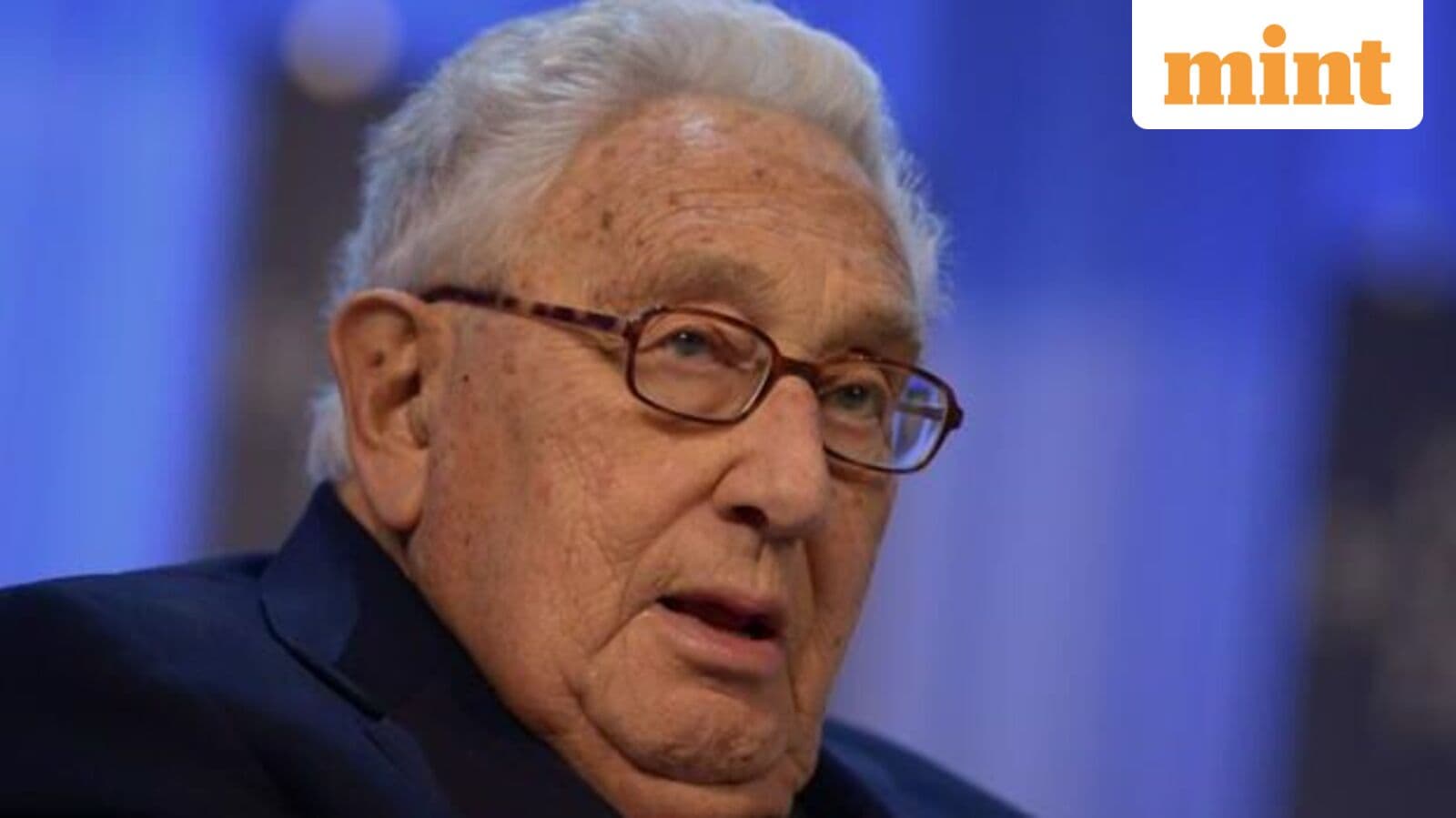
Explore Henry Kissinger's quote on power's allure and his legacy in U.S. diplomacy, shaping global relations and ethical debates.
GlipzoHenry Kissinger was a pivotal figure in American diplomacy, renowned for his insight into international relations and strategic policy-making. Serving as the U.S. Secretary of State and National Security Advisor under Presidents Richard Nixon and Gerald Ford during the 1970s, Kissinger's influence shaped the course of U.S. foreign policy amid the complexities of the Cold War. His quote, "Power is the ultimate aphrodisiac," encapsulates his understanding of human attraction to authority and influence.
This statement suggests that those who wield power often possess an allure that transcends mere physical appeal. It implies that leaders, celebrities, and wealthy individuals are frequently seen as more desirable due to their status and confidence. Power not only enhances one’s attractiveness but also creates a magnetic pull that draws people closer, making this aphorism particularly relevant in political and social contexts.
Kissinger's career was marked by several significant achievements that transformed U.S. foreign policy: - Opening diplomatic relations with China (1972): This momentous decision redefined the geopolitical landscape, fostering a relationship that still influences global dynamics today. - Pursuing détente with the Soviet Union: Through the Strategic Arms Limitation Talks (SALT), Kissinger aimed to ease tensions between the superpowers, reflecting his commitment to balancing power. - Negotiating the Paris Peace Accords (1973): This agreement led to the end of U.S. involvement in the Vietnam War, earning him the Nobel Peace Prize alongside North Vietnamese negotiator Le Duc Tho, despite the controversy surrounding the award.
Kissinger’s involvement in shuttle diplomacy in the Middle East further illustrated his unique approach to conflict resolution. His efforts to broker ceasefires after the 1973 Yom Kippur War laid essential groundwork for future peace initiatives in the region.
Despite his accolades, Kissinger's legacy is complex and often debated. Supporters hail him as a master strategist who navigated the intricate global landscape with pragmatism, while critics argue that his policies resulted in significant human rights abuses in countries like Chile, Cambodia, and Bangladesh. This duality in perception highlights the moral dilemmas often present in realpolitik, where national interests can sometimes overshadow ethical considerations.
Born into a Jewish family in Bavaria, Germany, Kissinger fled to the United States during World War II. He served in the U.S. Army's Counter-Intelligence Corps before pursuing higher education at Harvard University, where he earned a B.A., M.A., and PhD. Kissinger later became a professor, focusing on international relations and nuclear strategy, shaping the minds of future leaders.
After leaving public office, Kissinger founded Kissinger Associates, continuing to influence U.S. foreign policy through advisory roles and commentary. His insights remained sought after by various administrations, demonstrating his enduring relevance in American political discourse.
Kissinger's perspective on power dynamics has left an indelible mark on political thought. His assertion that power begets attraction serves as a reminder of the complexities of human relationships in the corridors of power. As he often articulated, the interplay between authority and appeal is a fundamental aspect of both personal and political realms.
Henry Kissinger passed away in late 2023, leaving behind a legacy that continues to provoke discussion and debate. As the world navigates an increasingly complex geopolitical landscape, his insights into diplomacy and power remain pertinent. The dynamics of power, as Kissinger noted, will always play a crucial role in shaping relationships, whether in politics or beyond.
Why It Matters: Kissinger's statements and actions remind us that the allure of power can profoundly influence relationships and decision-making processes on both personal and international levels. In a world where new leaders emerge and old conflicts resurface, understanding the principles behind Kissinger's views on power could offer valuable lessons for future policymakers and global citizens alike.
As we look to the future, the importance of strategic diplomacy and ethical considerations in power politics becomes ever clearer. Observers should monitor how emerging leaders apply these lessons in a rapidly changing world, particularly in light of ongoing international tensions and the shifting balance of power.
In conclusion, Kissinger's life and work offer a profound lens through which to examine the intersections of power, attraction, and diplomacy. The future will undoubtedly require a careful balance of these forces as nations strive for peace and stability on the global stage.

Tensions soar as the US and Iran engage in air strikes near the Strait of Hormuz, raising concerns over global oil supply and regional stability.
BBC World
Trump's international interventions face serious stalemates. What will this mean for U.S. foreign policy? Explore the critical challenges ahead.
Indian Express
Tehran denies resignation of President Masoud Pezeshkian amid claims of IRGC influence. What does this mean for Iran's political stability? Click to learn more!
Indian Express