
Image: BBC World
A mysterious naval drone found in the Ionian Sea raises significant questions about its origins and implications in the ongoing Russia-Ukraine conflict.
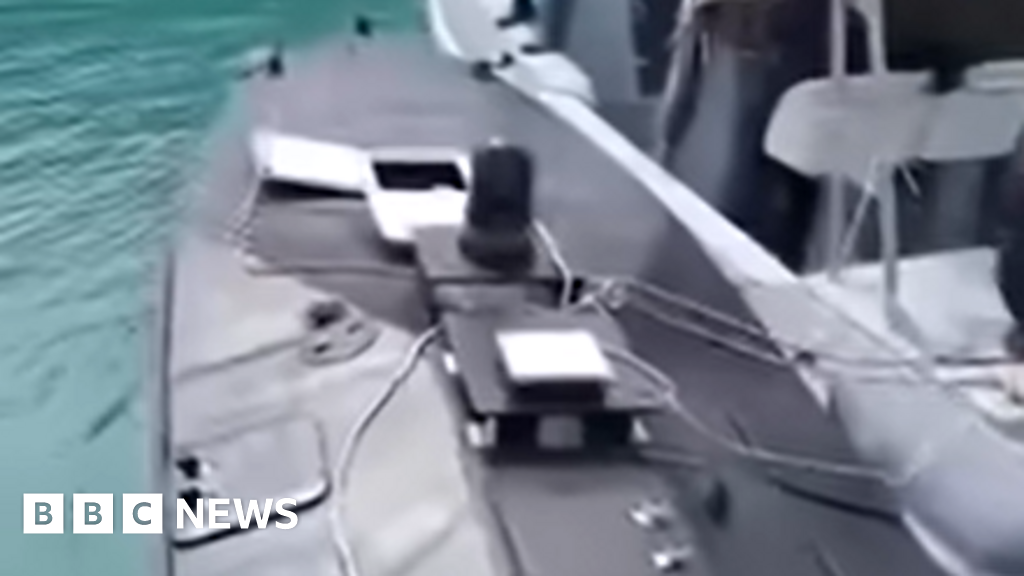
GlipzoIn a surprising turn of events, Greek fishermen discovered an unmanned naval drone while fishing near the island of Lefkada in the Ionian Sea on Thursday. This unusual find has prompted a thorough investigation by the Greek military, which is now examining the drone's origins and purpose.
The fishermen, who stumbled across the drone in a cave, promptly alerted the coast guard. The coast guard responded swiftly, towing the drone to the nearby port of Vasiliki for further examination. The presence of this drone raises questions about its potential implications, especially in the context of ongoing geopolitical tensions in the region.
Reports from Greek media suggest that the drone may have been equipped with explosives and was operational at the time of its discovery. Eyewitness accounts indicate that the drone's top hatch was open, and no identifying markings were visible, making it difficult to determine its origin.
There’s speculation that the drone could either be Ukrainian-made or linked to the ongoing conflict between Russia and Ukraine. The drone's design has drawn comparisons to Ukraine's MAGURA V5, a model known for its effectiveness in naval engagements. However, these claims have yet to be independently verified.
Military analysts are now tasked with determining the purpose of the drone and whether its presence in Greek waters signifies a technical malfunction or a loss of communication with its operators. One theory is that the drone was potentially intended to target Russia’s so-called “shadow fleet,” a network of vessels transporting oil and gas to evade Western sanctions following Russia's invasion of Ukraine in 2022.
The drone's discovery is particularly critical given the changing dynamics of naval warfare in the Black Sea and beyond. Ukrainian sea drones have become a formidable force, effectively disrupting Russian operations by targeting warships and tankers, even at naval installations.
The strategic use of naval drones has been highlighted in recent months, showcasing their potential to alter the naval landscape. Notably, in November 2025, Ukraine executed a successful drone attack against two sanctioned Russian oil tankers in the Black Sea, which was corroborated by footage showing the drones striking their targets, resulting in explosive detonations and billowing smoke.
Furthermore, in March of this year, Russian officials accused Ukraine of targeting a sanctioned tanker loaded with liquefied natural gas in the Mediterranean—a significant distance from Ukraine’s shores—using uncrewed sea drones. The Arctic Metagaz tanker sustained considerable damage and was later observed drifting without a crew, illustrating the far-reaching impacts of these unmanned vessels.
As investigations continue, the Greek military has reached out to both the Ukrainian and Greek defense ministries for official comments regarding the drone. The situation is evolving, and experts are keen to understand the broader implications of this incident for regional security.
The potential for increased naval engagements using drones raises critical questions about maritime security and international relations in the area. As tensions between Russia and Ukraine persist, the discovery of this drone serves as a reminder of the ongoing conflict's reach and the innovative strategies being employed by both sides.
The discovery of the naval drone in the Ionian Sea is more than just a military curiosity; it underscores the shifting nature of modern warfare and the strategic importance of unmanned systems in naval operations. As countries adapt to new technologies, the implications for international security and naval strategy are profound.
In summary, the appearance of this drone in Greek waters highlights the complexities of contemporary naval warfare and the intricate relationships between nations as they navigate these turbulent waters. The implications of this incident may extend beyond the immediate region, influencing geopolitical dynamics for years to come.

Survivors of the Laos cave rescue are aiding efforts to find the last two missing men trapped inside, sharing crucial insights for the search operation.
BBC World
A year after the tragic Air India crash, the Ali family reflects on grief, unanswered questions, and the enduring bonds of love in the face of loss.
BBC Business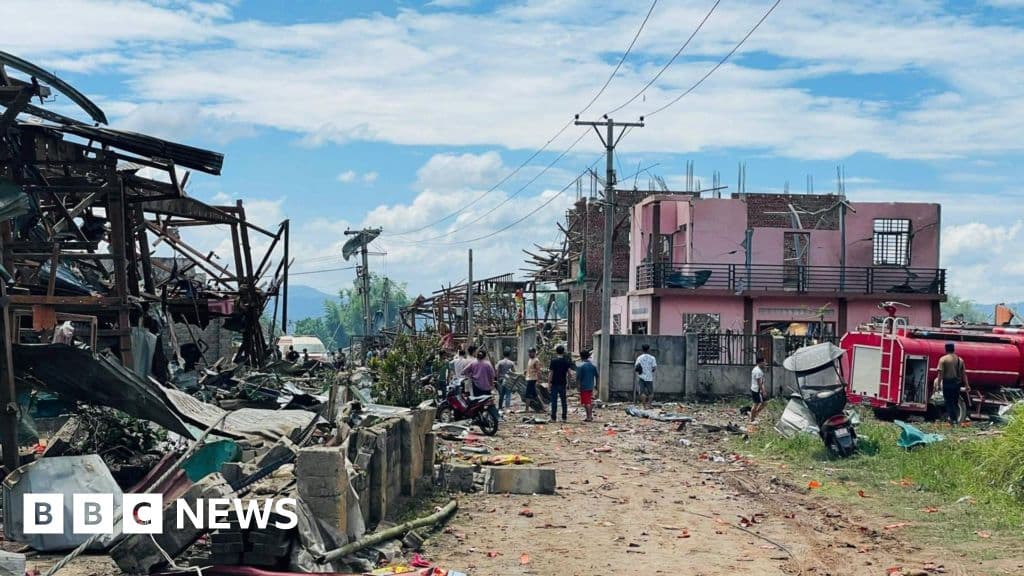
A devastating explosion in Myanmar's Kaung Tat village has killed at least 55 people, raising serious safety concerns and questions about civilian protection in conflict zones.
BBC World