Glipzo
WorldTechnologyBusinessSportsEntertainmentScienceHealthPolitics
Glipzo
WorldTechnologyBusinessSportsEntertainmentScienceHealthPolitics
  1. Home
  2. /
  3. Business
  4. /
  5. Government Pushes UK Supermarkets to Limit Food Prices
Government Pushes UK Supermarkets to Limit Food Prices

Image: BBC Business

Business
Wednesday, May 20, 20264 min read

Government Pushes UK Supermarkets to Limit Food Prices

The UK government urges supermarkets to limit food prices to aid families. Will this voluntary measure effectively combat rising costs? Click to find out!

Glipzo News Desk|Source: BBC Business
Share
Glipzo

Key Highlights

  • UK government encourages supermarkets to limit food prices.
  • Retailers warn of potential losses from proposed price controls.
  • Food price inflation stands at 3.7%, with predictions nearing 10%.
  • Chancellor promises to protect families from price gouging.
  • Competition among supermarkets is intensifying amidst rising costs.

In this article

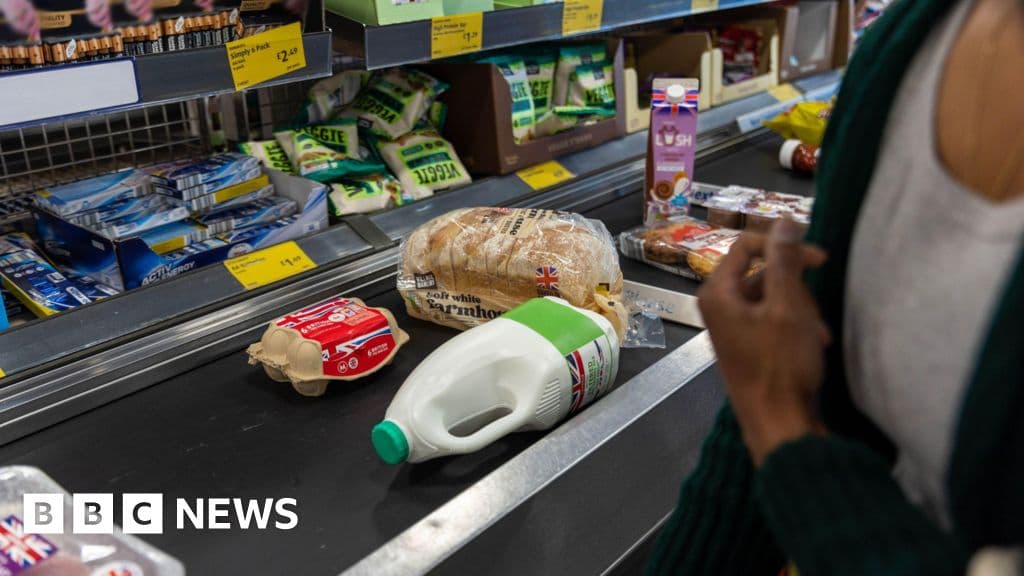
  • Government Intervention: A New Approach to Food Prices In a significant move to aid consumers, the UK government is urging supermarkets to consider limiting food prices. This initiative, which is expected to be voluntary, targets essential items such as **eggs, bread**, and **milk**. Retail industry insiders reveal that this policy could lead to a freeze on price hikes in exchange for relaxed regulations on packaging and potential delays in rules concerning healthy food options.
  • Proposed Policy Details and Reactions The British Retail Consortium (**BRC**), representing various supermarkets, has voiced concerns about the repercussions of such a policy. They argue it could compel retailers to sell goods at a loss, ultimately harming businesses and consumers alike. A spokesperson from the Treasury has assured the public that further details will be released soon, emphasizing the government's commitment to helping families manage their expenses.
  • Similar Initiatives: Scotland's Approach Interestingly, this proposal follows the **Scottish National Party's (SNP)** commitment to implement a similar pricing policy in Scotland last month. However, unlike the UK’s voluntary plan, the SNP's price cap would be mandatory. This divergence in approaches highlights the varying strategies governments are willing to adopt in response to ongoing economic challenges.
  • Current Economic Climate and Food Price Inflation Today's food inflation rate stands at **3.7%**, slightly above the overall inflation rate of **3.3%** reported in March. Alarmingly, some experts predict that food prices could escalate to nearly **10%** by the year's end. This potential spike is attributed to several factors, including rising costs of **fertilizers** and **animal feed**, exacerbated by geopolitical tensions, such as the recent US-Israel conflict, which has disrupted supply routes in the **Strait of Hormuz**.
  • Competition and Market Dynamics Helen Dickinson, the chief executive of the BRC, highlighted the intense competition among supermarkets, which has historically driven prices down. She pointed out that the current challenges for retailers stem from a mix of escalating energy costs, commodity prices linked to the ongoing Middle East conflict, and the impacts of domestic government policies.
  • New Powers for Consumer Protection The proposed changes will enable the CMA to publicly identify and criticize companies that exploit market conditions by raising prices unjustly. This initiative aims to safeguard consumers during economic upheaval and ensure fair practices across the retail sector.
  • Looking Ahead: The Future of Food Pricing in the UK As discussions around food pricing and economic policies continue, the UK government faces the dual challenge of ensuring food affordability while also addressing the broader issues of inflation and supply chain disruptions. The forthcoming details from the Treasury will be crucial in shaping the landscape of grocery pricing in the UK.
  • What to Watch For: - **Implementation of Voluntary Price Limits**: How supermarkets respond to the government's call for price limits could set a precedent for future retail policies. - **Consumer Reactions**: Public sentiment towards these proposed changes will be critical, influencing political and economic decisions. - **Impact on Retailers**: Observing how retailers adjust to these pressures will provide insight into the sustainability of their business models in a changing economic environment. - **Effects of Geopolitical Events**: Continued monitoring of international conflicts and their impact on supply chains will be essential for understanding future pricing trends.

Government Intervention: A New Approach to Food Prices In a significant move to aid consumers, the UK government is urging supermarkets to consider limiting food prices. This initiative, which is expected to be voluntary, targets essential items such as **eggs, bread**, and **milk**. Retail industry insiders reveal that this policy could lead to a freeze on price hikes in exchange for relaxed regulations on packaging and potential delays in rules concerning healthy food options.

Proposed Policy Details and Reactions The British Retail Consortium (**BRC**), representing various supermarkets, has voiced concerns about the repercussions of such a policy. They argue it could compel retailers to sell goods at a loss, ultimately harming businesses and consumers alike. A spokesperson from the Treasury has assured the public that further details will be released soon, emphasizing the government's commitment to helping families manage their expenses.

"We want to do more to help keep costs down for families," the Treasury spokesperson stated, indicating a proactive approach towards managing rising food prices in the UK.

Similar Initiatives: Scotland's Approach Interestingly, this proposal follows the **Scottish National Party's (SNP)** commitment to implement a similar pricing policy in Scotland last month. However, unlike the UK’s voluntary plan, the SNP's price cap would be mandatory. This divergence in approaches highlights the varying strategies governments are willing to adopt in response to ongoing economic challenges.

The BRC has criticized the proposed measures as reminiscent of outdated 1970s-style price controls, while some retailers have described the government's actions as signs of desperation. One retailer candidly remarked, "Ultimately what [the government] should do is stop all the other tax burdens, and the prices will come down."

Current Economic Climate and Food Price Inflation Today's food inflation rate stands at **3.7%**, slightly above the overall inflation rate of **3.3%** reported in March. Alarmingly, some experts predict that food prices could escalate to nearly **10%** by the year's end. This potential spike is attributed to several factors, including rising costs of **fertilizers** and **animal feed**, exacerbated by geopolitical tensions, such as the recent US-Israel conflict, which has disrupted supply routes in the **Strait of Hormuz**.

Additionally, government policies such as increases in the national living wage and employers' national insurance contributions have further strained food supply chains, contributing to the overall increase in grocery prices.

Competition and Market Dynamics Helen Dickinson, the chief executive of the BRC, highlighted the intense competition among supermarkets, which has historically driven prices down. She pointed out that the current challenges for retailers stem from a mix of escalating energy costs, commodity prices linked to the ongoing Middle East conflict, and the impacts of domestic government policies.

As pressure mounts on supermarkets, the government is also looking to enhance protections for consumers. The Chancellor is advancing measures aimed at empowering the Competition and Markets Authority (CMA), allowing them to investigate and address price gouging practices more effectively.

New Powers for Consumer Protection The proposed changes will enable the CMA to publicly identify and criticize companies that exploit market conditions by raising prices unjustly. This initiative aims to safeguard consumers during economic upheaval and ensure fair practices across the retail sector.

Chancellor Rachel Reeves emphasized the importance of protecting working families, stating, "When global events drive up costs, working families feel it first. I will not tolerate anyone exploiting a crisis to make a quick buck off the back of hard-working people."

Looking Ahead: The Future of Food Pricing in the UK As discussions around food pricing and economic policies continue, the UK government faces the dual challenge of ensuring food affordability while also addressing the broader issues of inflation and supply chain disruptions. The forthcoming details from the Treasury will be crucial in shaping the landscape of grocery pricing in the UK.

What to Watch For: - **Implementation of Voluntary Price Limits**: How supermarkets respond to the government's call for price limits could set a precedent for future retail policies. - **Consumer Reactions**: Public sentiment towards these proposed changes will be critical, influencing political and economic decisions. - **Impact on Retailers**: Observing how retailers adjust to these pressures will provide insight into the sustainability of their business models in a changing economic environment. - **Effects of Geopolitical Events**: Continued monitoring of international conflicts and their impact on supply chains will be essential for understanding future pricing trends.

In summary, the government’s push for supermarkets to limit food prices is a bold step in addressing the rising costs faced by families across the UK. As the situation develops, all eyes will be on how effectively these measures can be implemented without causing adverse effects on the market and retailers' profitability.

Did you find this article useful? Share it!

Share

Related Articles

Commercial LPG Prices Surge Again: ₹42 in Delhi, ₹53.50 in Kolkata
Business
Jun 1, 2026

Commercial LPG Prices Surge Again: ₹42 in Delhi, ₹53.50 in Kolkata

Commercial LPG prices have risen again, with increases of ₹42 in Delhi and ₹53.50 in Kolkata impacting businesses and consumers alike. Find out more.

Indian Express
Shocking Coal Mine Disaster in China Raises Safety Concerns
Business
Jun 1, 2026

Shocking Coal Mine Disaster in China Raises Safety Concerns

Discover how a tragic coal mine explosion in Shanxi, China, reveals ongoing safety concerns in the industry amidst a push for green energy.

BBC Business
Montek Singh Ahluwalia: Critical Economic Insights Unveiled
Business
Jun 1, 2026

Montek Singh Ahluwalia: Critical Economic Insights Unveiled

Montek Singh Ahluwalia highlights key economic challenges for India, emphasizing the need for a strategic approach to balance payments and investment.

Indian Express

Categories

  • World
  • Technology
  • Business
  • Sports

More

  • Entertainment
  • Science
  • Health
  • Politics

Explore

  • Web Stories
  • About Us
  • Contact

Legal

  • Privacy Policy
  • Terms of Service
  • Disclaimer

© 2026 Glipzo. All rights reserved.