
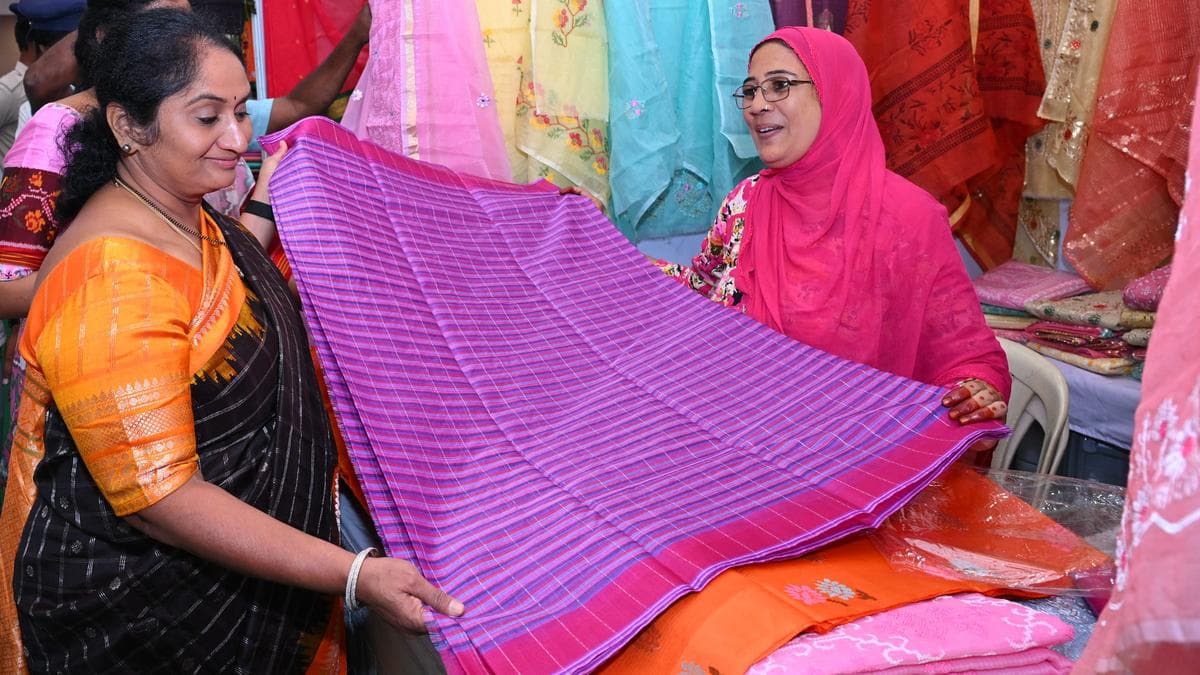
Image: The Hindu
Discover how the government is prioritizing the welfare of handloom artisans at the National Handloom Exhibition in Vijayawada. Click to learn more!
GlipzoOn March 22, 2026, during her visit to the Gandhi Bunakar Mela (National Handloom Exhibition) in Vijayawada, S. Savitha, the Minister for Handlooms and Textiles, emphasized that the welfare and development of handloom artisans remain a top priority for the TDP-led coalition government. The exhibition, held at Shesha Sai Kalyana Mandapam, showcases the rich heritage and craftsmanship of handloom artisans from across the state.
Minister Savitha articulated the government's commitment to strengthening the handloom sector, aligning with initiatives promised by Chief Minister N. Chandrababu Naidu during the electoral campaign. She stated that various welfare schemes are actively being implemented to support artisans and promote their work. This includes exhibitions organized at the Secretariat during Assembly budget sessions and during significant events like the Tirumala Brahmotsavams, aimed at boosting visibility and sales for handloom products.
Recognizing the challenges faced by handloom workers, the government has rolled out several supportive measures: - Subsidies on Raw Materials: To reduce costs and improve production. - Financial Aid: Assistance in the form of net funds. - Training Programs: Focused on modern designs to enhance artisans' skills. - Equipment Purchase Subsidies: Up to 90% subsidy available to improve productivity.
Savitha proudly noted that the state has received 10 awards under the “One District – One Product” scheme, with four awards specifically recognizing achievements in the handloom sector. Artisans from notable regions, including Venkatagiri, Dharmavaram, Uppada, and others, are participating in this exhibition, which features a total of 112 stalls, 47 of which are from Andhra Pradesh.
The Minister also announced a monthly pension of ₹4,000 for handloom workers aged over 50, a significant step towards securing their financial stability. Starting April 1, the government plans to provide free electricity up to 200 units for handlooms and 500 units for power looms, which will greatly benefit artisans and enhance their production capabilities.
Savitha urged citizens to support local artisans by purchasing handloom products during upcoming festivals. Sales at the exhibition have been promising, with approximately ₹47,35,000 in revenue recorded since the event's start on March 18, and expectations to reach ₹4 crore by its conclusion on March 31. She invited everyone to visit the exhibition and explore the unique offerings available.
Former ZPTC chairperson Gadde Anuradha underscored the cultural significance of handloom textiles, stating that they symbolize the spirit of India and bind the nation together. She highlighted the creativity of handloom artisans, who transform their artistic vision into beautiful fabrics, providing substantial employment opportunities next only to agriculture. Anuradha commended the government's ongoing efforts to promote the handloom sector and enhance the lives of its artisans.
The event also saw the presence of Joint Director G. Rajarao and various officials, who echoed the Minister's sentiments regarding the importance of supporting the handloom sector and its artisans.
The handloom industry plays a crucial role in preserving cultural heritage while supporting the livelihoods of thousands of artisans across India. With government backing, initiatives like the National Handloom Exhibition not only celebrate this tradition but also pave the way for economic empowerment within communities. The TDP-led coalition government's focus on this sector signifies a commitment to sustainability and cultural preservation.
As the exhibition continues through March 31, the initiatives laid out by the government could set a precedent for future policies aimed at bolstering the handloom sector. Observers will be watching closely to see how these measures translate into tangible benefits for artisans in the long run. The commitment to providing financial assistance, training, and promotional platforms like this exhibition could serve as a model for other states aiming to revitalize their handloom industries.
In conclusion, the spotlight on handloom artisans during this exhibition not only serves to highlight their invaluable contributions to the economy but also fosters a greater appreciation for the art of weaving that is integral to India's cultural landscape.
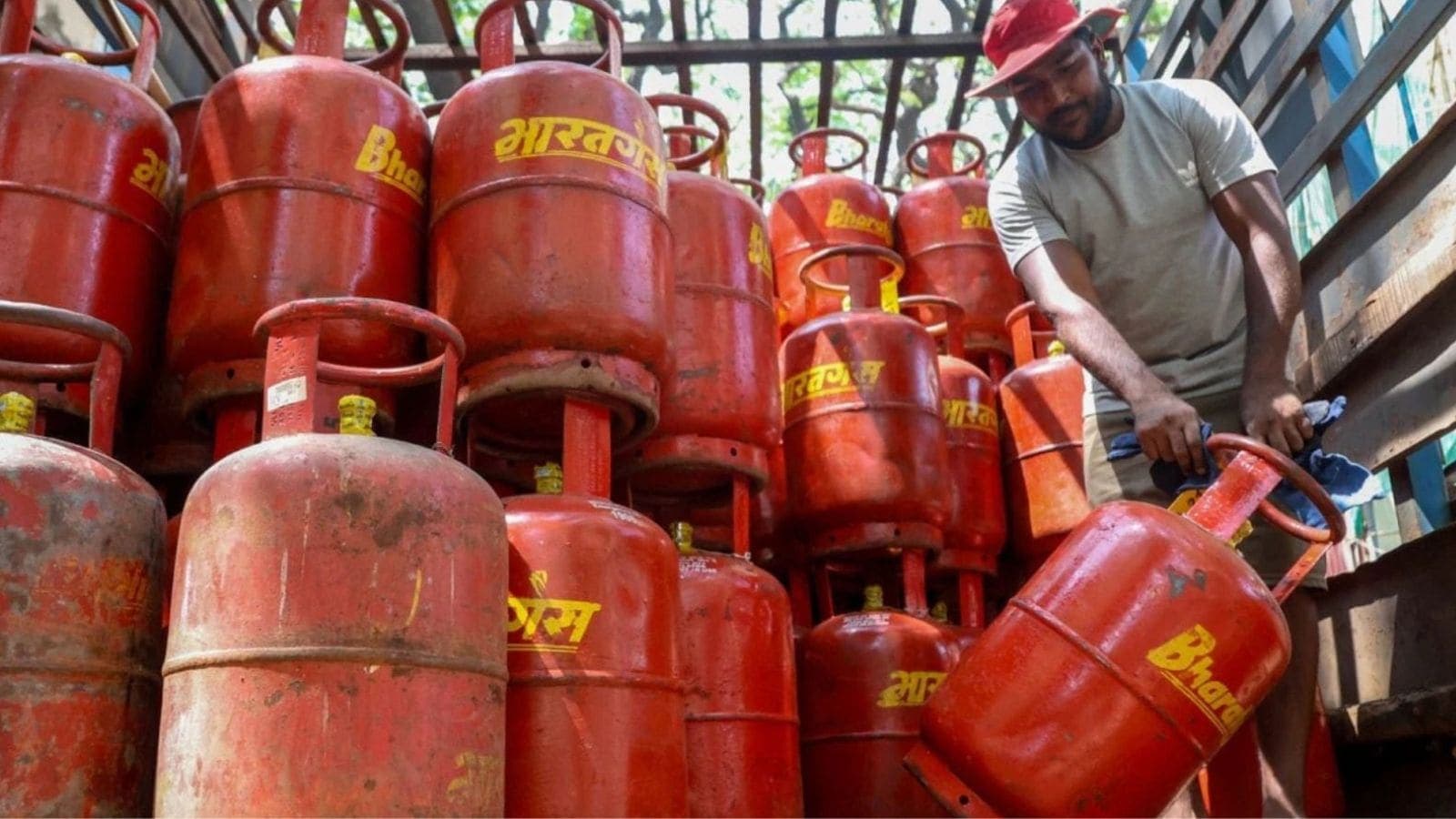
Commercial LPG prices have risen again, with increases of ₹42 in Delhi and ₹53.50 in Kolkata impacting businesses and consumers alike. Find out more.
Indian Express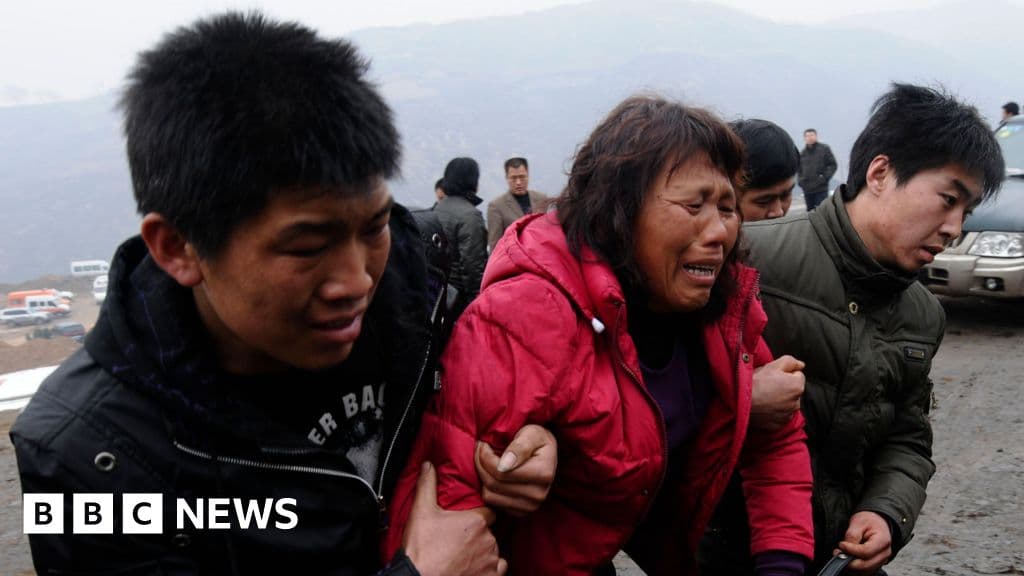
Discover how a tragic coal mine explosion in Shanxi, China, reveals ongoing safety concerns in the industry amidst a push for green energy.
BBC Business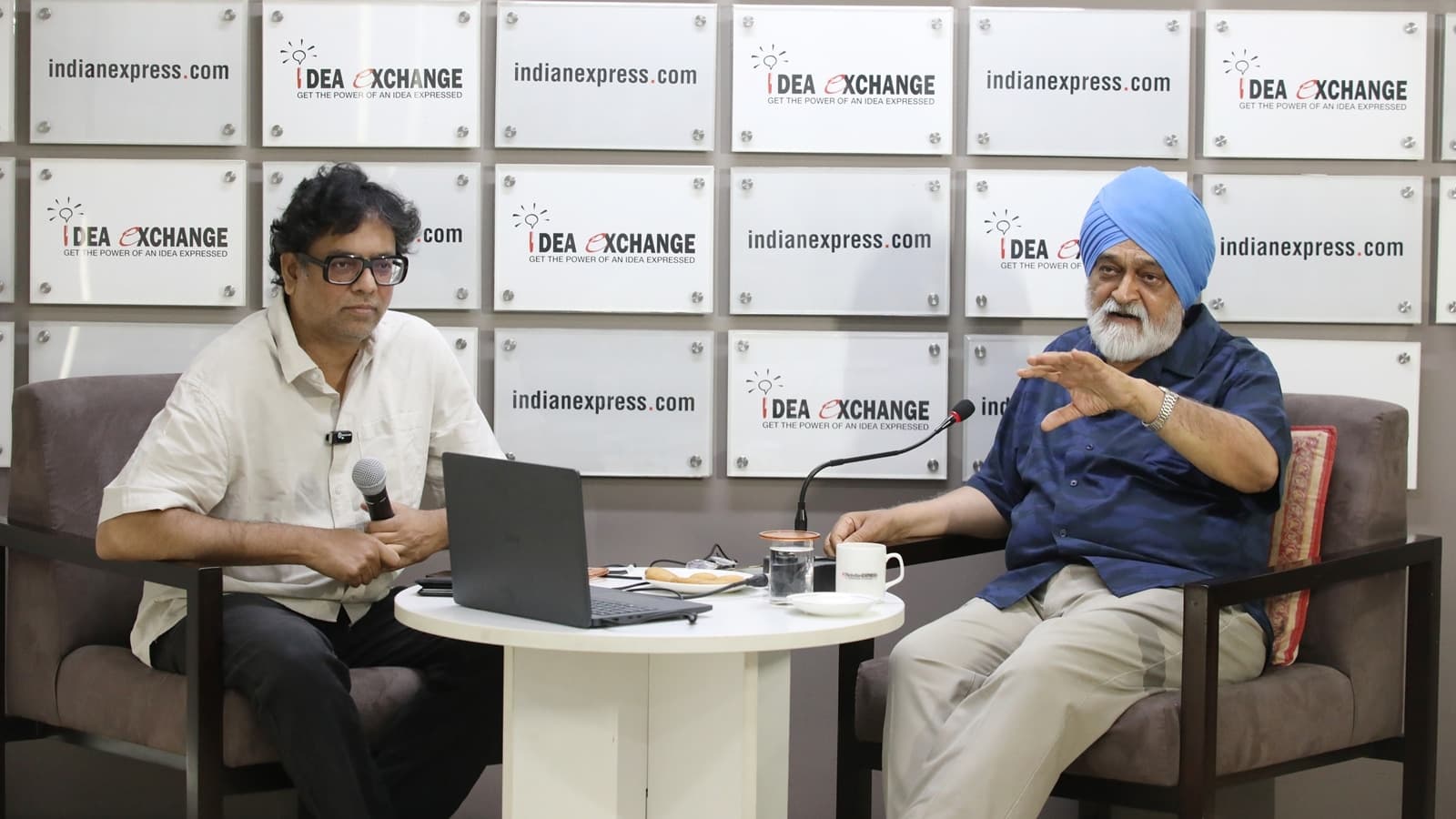
Montek Singh Ahluwalia highlights key economic challenges for India, emphasizing the need for a strategic approach to balance payments and investment.
Indian Express