
Image: The Hindu
Discover how India's Ministry of Civil Aviation mandates 60% free seats on flights to boost passenger rights and enhance travel experiences.
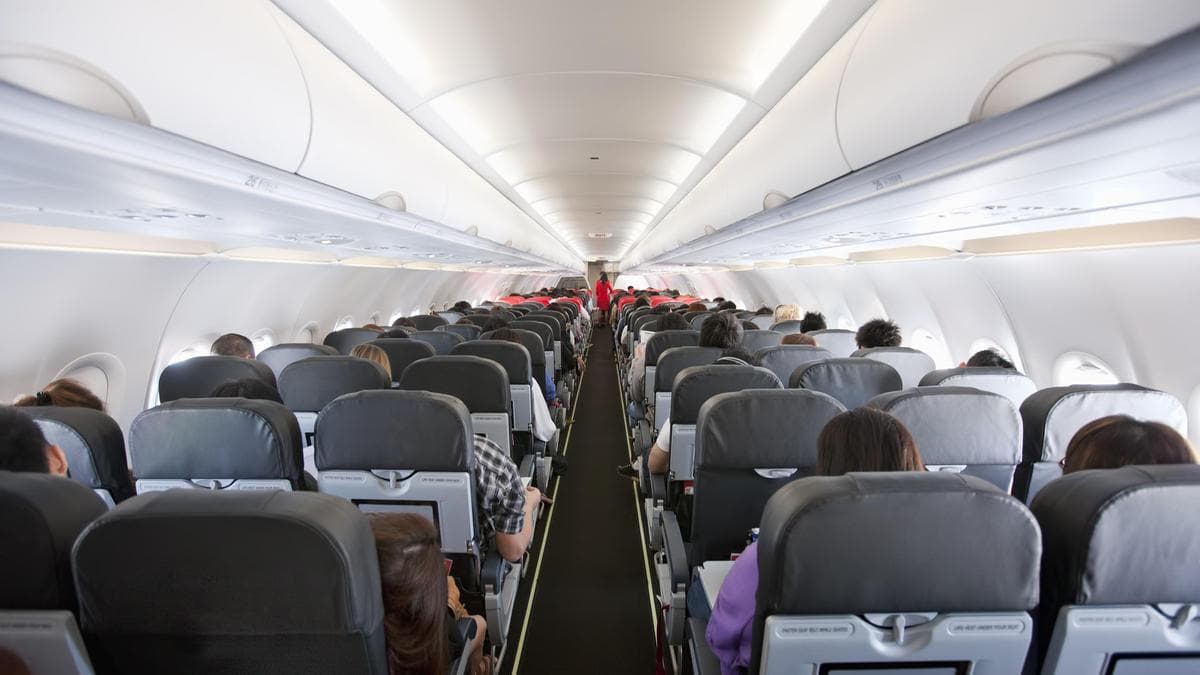
GlipzoIn a significant move aimed at enhancing passenger rights, the Ministry of Civil Aviation (MoCA) in India has mandated that all airlines allocate at least 60% of their seats free of charge. This directive, announced on March 18, 2026, is part of a broader initiative to ensure fair access to air travel for all passengers. This policy is expected to reshape air travel dynamics, making it more accessible for those who may struggle with ticket costs.
The announcement comes as part of a series of measures designed to improve passenger convenience and establish uniform practices across airlines. The Directorate General of Civil Aviation (DGCA) will oversee the implementation of these changes, which aim to bolster transparency in air travel.
Among the new regulations, the Ministry has stipulated that passengers booking tickets under the same Passenger Name Record (PNR) should be seated together, ideally in adjacent seats. This move addresses a common concern among families and groups traveling together, ensuring that they can sit in proximity during flights.
In addition to seating arrangements, airlines are now required to develop clear and transparent policies regarding the carriage of pets and the transportation of sports equipment and musical instruments. This measure is particularly important for travelers who wish to bring their beloved pets or equipment without encountering excessive fees or restrictions.
The Ministry's latest directives also emphasize the need for airlines to adhere strictly to a passenger rights framework. This framework is designed to protect travelers in cases of delays, cancellations, and denied boarding. By making these rights easily accessible, the Ministry aims to empower passengers and enhance their overall travel experience.
One of the critical components of this initiative is the requirement for airlines to prominently display information about passenger entitlements on their websites, mobile applications, and at airport counters. This will ensure that passengers are fully informed of their rights before, during, and after their flights.
To further promote accessibility, the Ministry has mandated that information regarding passenger rights be communicated in regional languages. This directive is crucial in a diverse country like India, where linguistic barriers can often impede access to vital information. By offering clearer communication, the Ministry hopes to reach a broader audience, ensuring that all passengers are aware of their rights and entitlements.
As Indian airports currently manage over 500,000 passengers daily, the focus on passenger facilitation remains paramount for the Ministry. By prioritizing the needs and rights of travelers, the government is taking significant steps toward making air travel a more equitable and user-friendly experience.
These new regulations not only aim to enhance the experience of air travel for passengers but also reflect a growing recognition of the importance of consumer rights in the aviation sector. With the aviation industry poised for recovery and growth in the post-pandemic era, these measures signal a shift towards prioritizing customer satisfaction and accessibility.
Passengers can expect a more transparent and equitable travel environment as airlines implement these directives. The focus on free seat allocations, clear communication, and passenger rights is a critical evolution in how air travel operates in India.
Looking ahead, the implementation of these new policies will be closely monitored by both passengers and regulatory bodies. The effectiveness of the 60% free seat allocation and the clarity of passenger rights communication will be pivotal in shaping future airline policies.
As we move forward, it will be interesting to observe how airlines adapt to these regulations and how they impact ticket pricing and availability. Additionally, the response from the public and the aviation industry will provide valuable insights into the effectiveness of these measures.
In conclusion, the recent directives by the MoCA represent a significant step toward improving the air travel experience in India. With a focus on transparency, accessibility, and passenger rights, the aviation sector is set to undergo transformative changes that could redefine how we view air travel in the coming years.
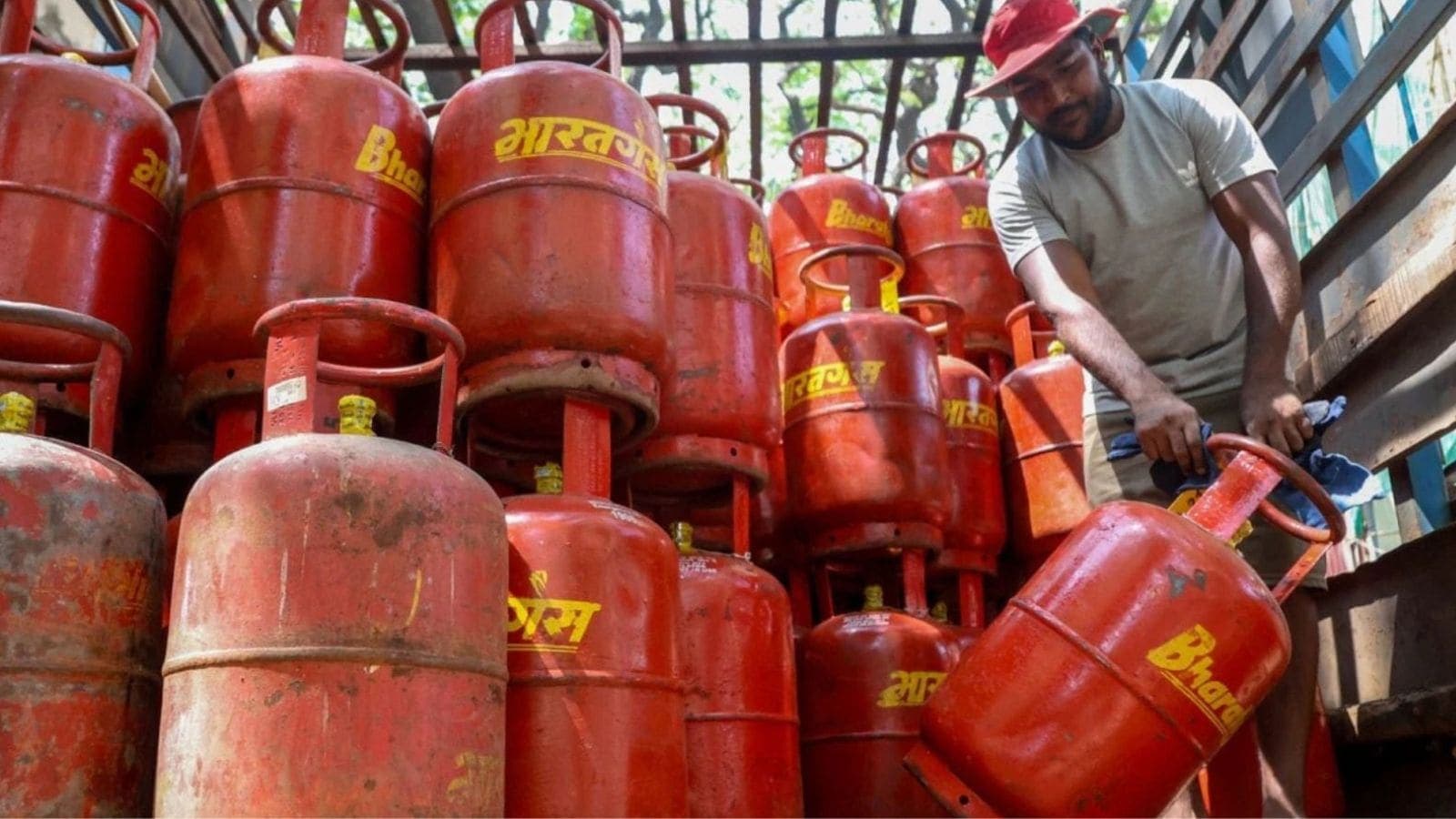
Commercial LPG prices have risen again, with increases of ₹42 in Delhi and ₹53.50 in Kolkata impacting businesses and consumers alike. Find out more.
Indian Express
Discover how a tragic coal mine explosion in Shanxi, China, reveals ongoing safety concerns in the industry amidst a push for green energy.
BBC Business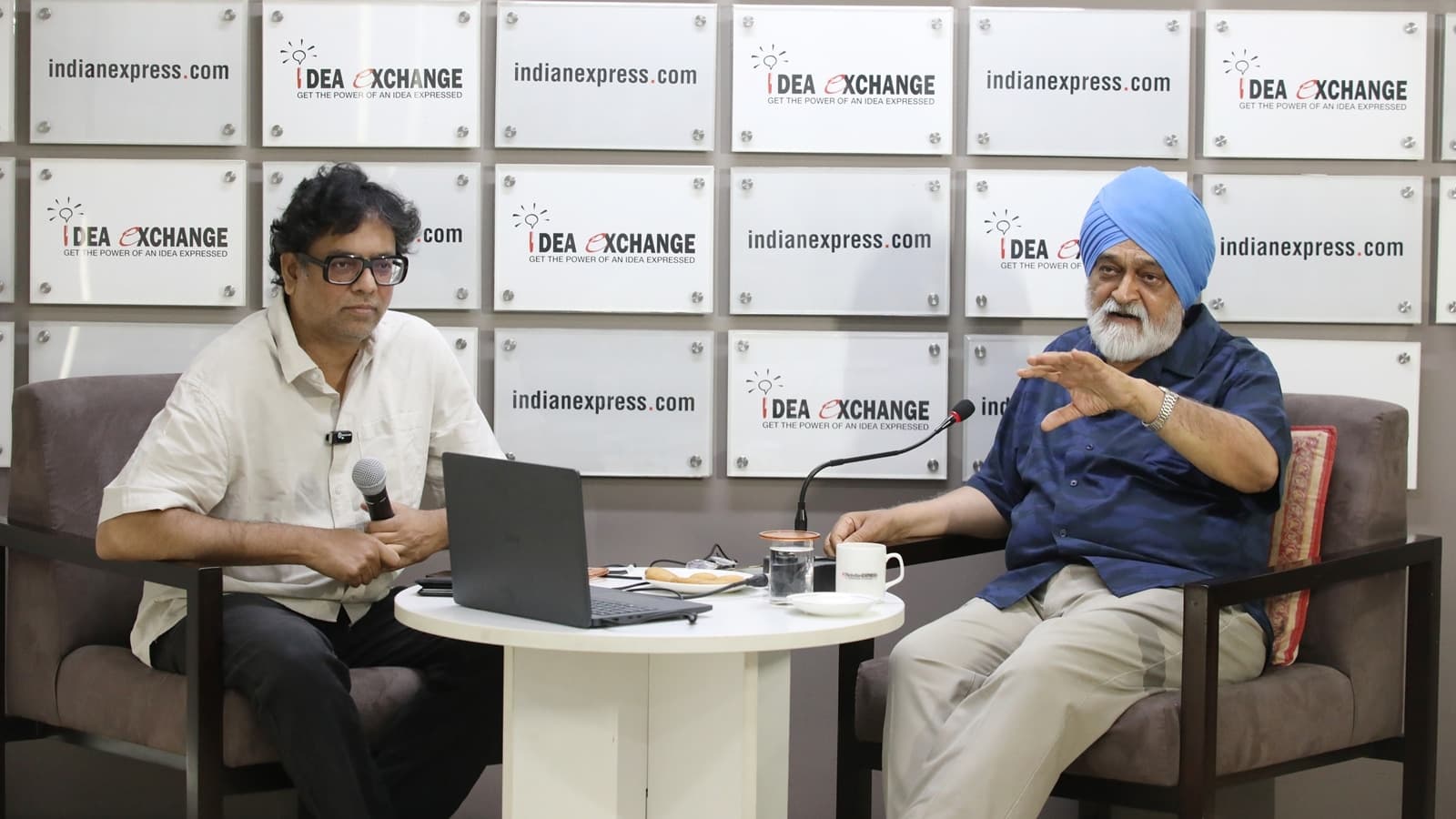
Montek Singh Ahluwalia highlights key economic challenges for India, emphasizing the need for a strategic approach to balance payments and investment.
Indian Express