

Image: Times of India
The Indian government faces backlash over a new rule mandating 60% free seat selection on flights, sparking concerns of potential fare hikes.
GlipzoIn a surprising move, the Indian government has implemented a regulation mandating that 60% of seats on domestic flights must be available for free selection by passengers. This controversial policy, which aims to enhance customer experience, has triggered significant backlash from airlines who argue that it may lead to an increase in airfares. The regulation was announced on October 19, 2023, highlighting ongoing tensions between the government and the airline industry.
The decision has left many in the aviation sector questioning the practicality of such a mandate. Airlines are concerned that the requirement could undermine their pricing models, potentially leading to higher ticket costs for travelers. As the industry grapples with the implications of this new rule, stakeholders are voicing their opinions on both sides of the debate.
Airline executives have expressed their discontent over the government’s latest policy. They argue that the 60% free seat selection rule could disrupt the delicate balance of their revenue streams. According to industry insiders, if airlines are unable to charge for seat selection, they may have no choice but to raise fares across the board to compensate for potential revenue losses.
The government, however, defends the decision as a move designed to prioritize consumer rights and enhance competition within the airline industry. By mandating free seat selection, officials believe passengers will have greater flexibility and choice during their travel experience, potentially leading to higher customer satisfaction.
A spokesperson from the Ministry of Civil Aviation stated, "This regulation is aimed at democratizing air travel and ensuring that all passengers have the opportunity to choose their preferred seats without incurring additional costs. We believe this will lead to a more equitable flying experience."
Despite the government’s intentions, the airline industry remains skeptical. Industry leaders argue that while the policy may sound beneficial, the practical consequences could outweigh the advantages for both consumers and airlines alike.
This policy shift comes at a time when the Indian aviation sector is still recovering from the impacts of the COVID-19 pandemic. As travel demand surges, the industry is under pressure to manage operational capacities while navigating regulatory hurdles. The introduction of this rule raises several critical questions regarding the future of air travel in India:
The ongoing debate over the 60% free seat selection rule underscores the complexities of balancing consumer interests with the operational realities of airlines. As the situation unfolds, both passengers and industry stakeholders should remain vigilant about how these changes will affect air travel dynamics in India.
Looking ahead, it will be crucial to monitor: - Government responses: Will officials reconsider the policy in light of industry pushback? - Airline adaptations: How will airlines respond to this regulation in terms of pricing and service adjustments? - Consumer reactions: Will travelers embrace the changes, or will they prefer to avoid airlines that raise their fares?
As stakeholders navigate this contentious landscape, the future of air travel in India may depend on finding a compromise that satisfies both consumer needs and airline sustainability. The outcome of this situation could serve as a precedent for future regulatory measures in the aviation sector, making it a pivotal moment in the evolution of air travel across the country.
As the dust settles on this controversial policy announcement, the conversation surrounding air travel in India is just beginning. The potential for fare hikes looms large, and the implications for both airlines and travelers remain to be seen. With the government standing firm on its decision, industry stakeholders will need to collaborate closely to find solutions that prioritize consumer rights while ensuring the viability of airlines in a competitive market.
In this rapidly evolving scenario, both consumers and industry players should prepare for a shifting landscape in air travel, driven by regulatory changes and market dynamics. The coming months will be critical for understanding how this policy will reshape the airline industry and impact every traveler in India.
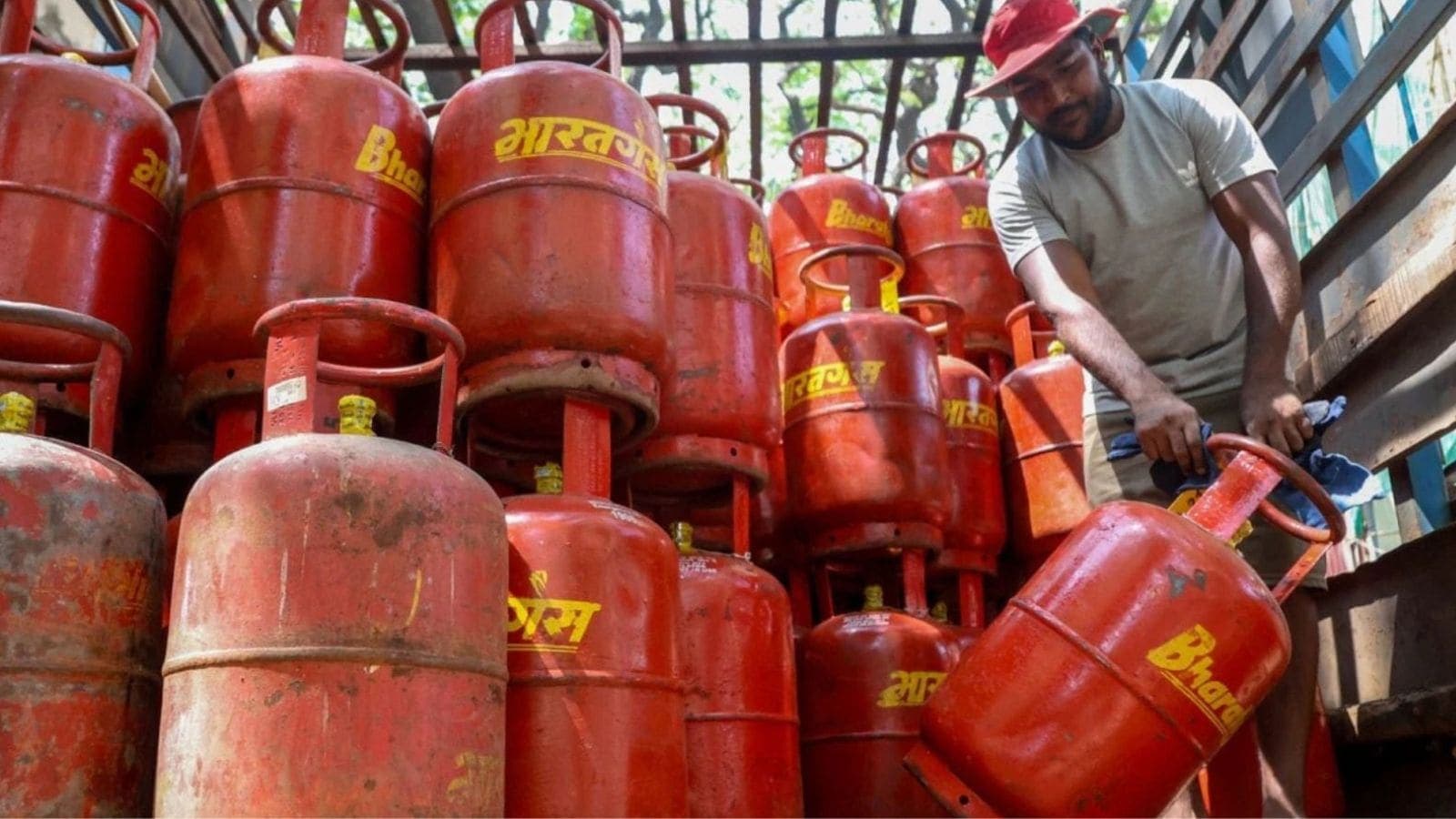
Commercial LPG prices have risen again, with increases of ₹42 in Delhi and ₹53.50 in Kolkata impacting businesses and consumers alike. Find out more.
Indian Express
Discover how a tragic coal mine explosion in Shanxi, China, reveals ongoing safety concerns in the industry amidst a push for green energy.
BBC Business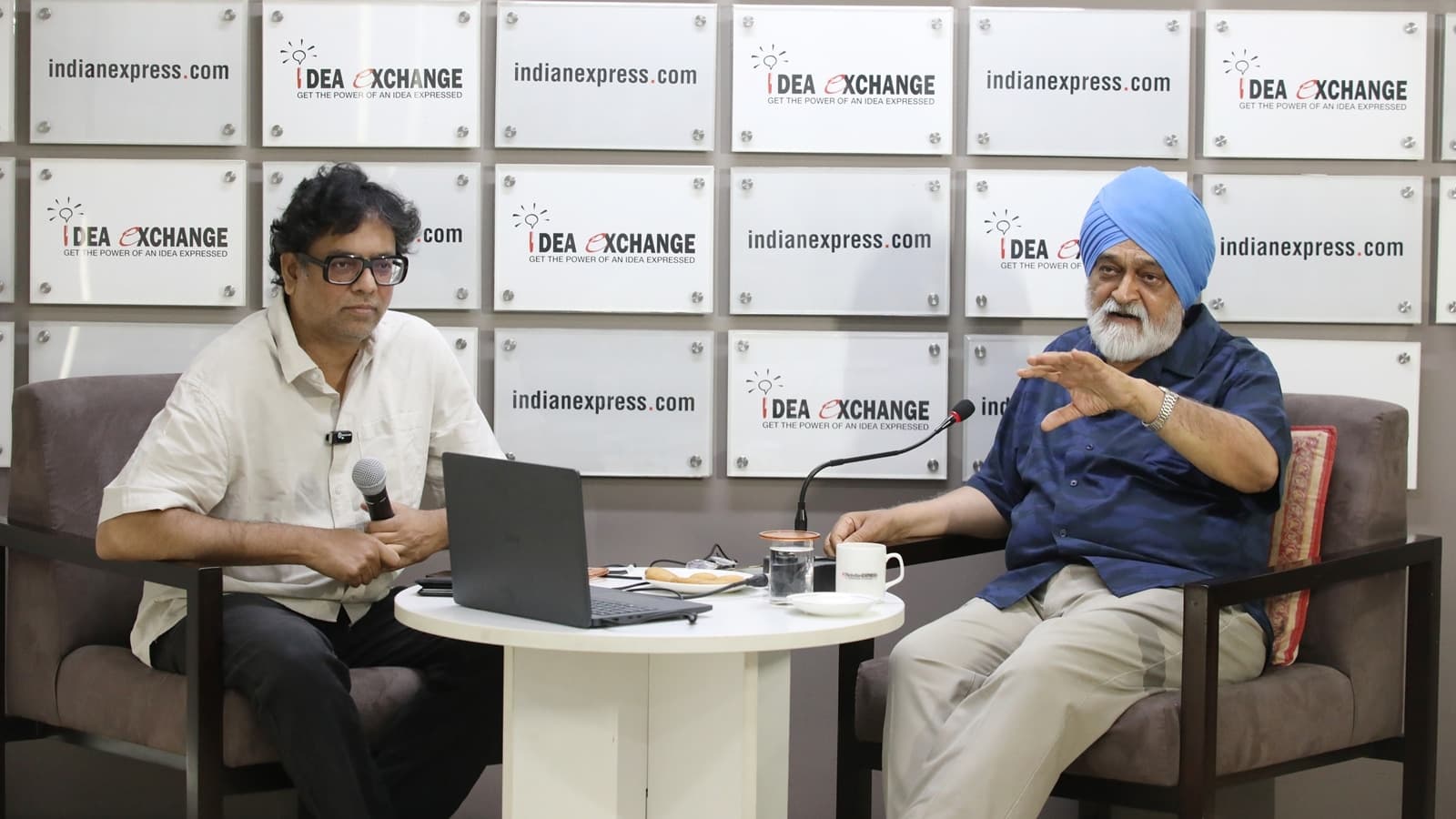
Montek Singh Ahluwalia highlights key economic challenges for India, emphasizing the need for a strategic approach to balance payments and investment.
Indian Express