

Image: Times of India
India's government confirms robust coal stocks to meet rising energy demands, ensuring stability as winter approaches. Discover what this means for citizens.
GlipzoThe government has assured the public that coal stocks are adequate to meet the increasing energy demands across the country. As energy consumption continues to rise, especially with the onset of seasonal changes, this announcement aims to alleviate concerns about potential shortages.
As India grapples with fluctuating energy demands, the management of coal resources has become a pivotal issue. The government’s statement comes at a time when many citizens are worried about power outages and energy scarcity. The Ministry of Coal revealed that current coal reserves in various thermal power plants are robust enough to handle the projected rise in usage throughout the winter months.
Officials from the ministry emphasized that the current stock levels are not only sufficient but also strategically positioned to deal with any unexpected spikes in demand. This proactive stance is critical for ensuring that factories, homes, and essential services continue to operate smoothly during peak times.
Recent reports indicate that coal production in India has reached unprecedented levels, contributing significantly to the country’s energy security. In the last fiscal year, coal production surged by 7%, with state-owned companies leading the charge. This increase is a result of several factors, including: - Enhanced mining operations - Technological advancements in extraction - Improved supply chain logistics
The government has also prioritized the expansion of coal mining infrastructure to further boost production capacities. This development aligns with the broader goal of reducing dependence on imported energy sources, thereby strengthening the nation’s self-reliance.
While coal remains a cornerstone of India’s energy mix, the government is concurrently investing heavily in renewable energy initiatives. The dual approach of maintaining coal stocks while advancing renewable technologies is designed to create a balanced and sustainable energy ecosystem.
Sources within the energy sector report that the integration of solar, wind, and other renewable sources is expected to complement coal energy, especially during high-demand periods. This strategy allows for a more resilient grid that can adapt to fluctuating energy needs.
The government’s assurance regarding coal stocks is significant for consumers who have faced power shortages in the past. Many are relieved to hear that measures are in place to prevent a repeat of previous crises. The Ministry of Coal’s statement aims to build public confidence in the energy supply system as winter approaches.
The government’s focus on maintaining adequate coal reserves is not just about immediate energy needs; it reflects a larger strategy of energy independence and sustainability. With global energy markets experiencing volatility, India’s emphasis on coal production and renewable energy integration positions it as a resilient player in the international arena.
As India continues to navigate its energy landscape, several factors will be crucial to monitor in the coming months: - Coal Production Trends: Will the trend of increasing coal production sustain, and how will it impact energy prices? - Renewable Energy Growth: How effectively will the government balance coal and renewable energy to meet climate targets? - Public Sentiment: How will citizens respond to energy policies, especially in light of previous shortages?
In summary, the government’s declaration of adequate coal stocks amid rising energy needs is a critical step in securing India’s energy future. With ongoing initiatives in both coal production and renewable energy, the country is poised to handle the challenges of the coming months. As developments unfold, stakeholders will be keenly focused on both the immediate impacts and long-term implications of these strategies on energy security and environmental sustainability.
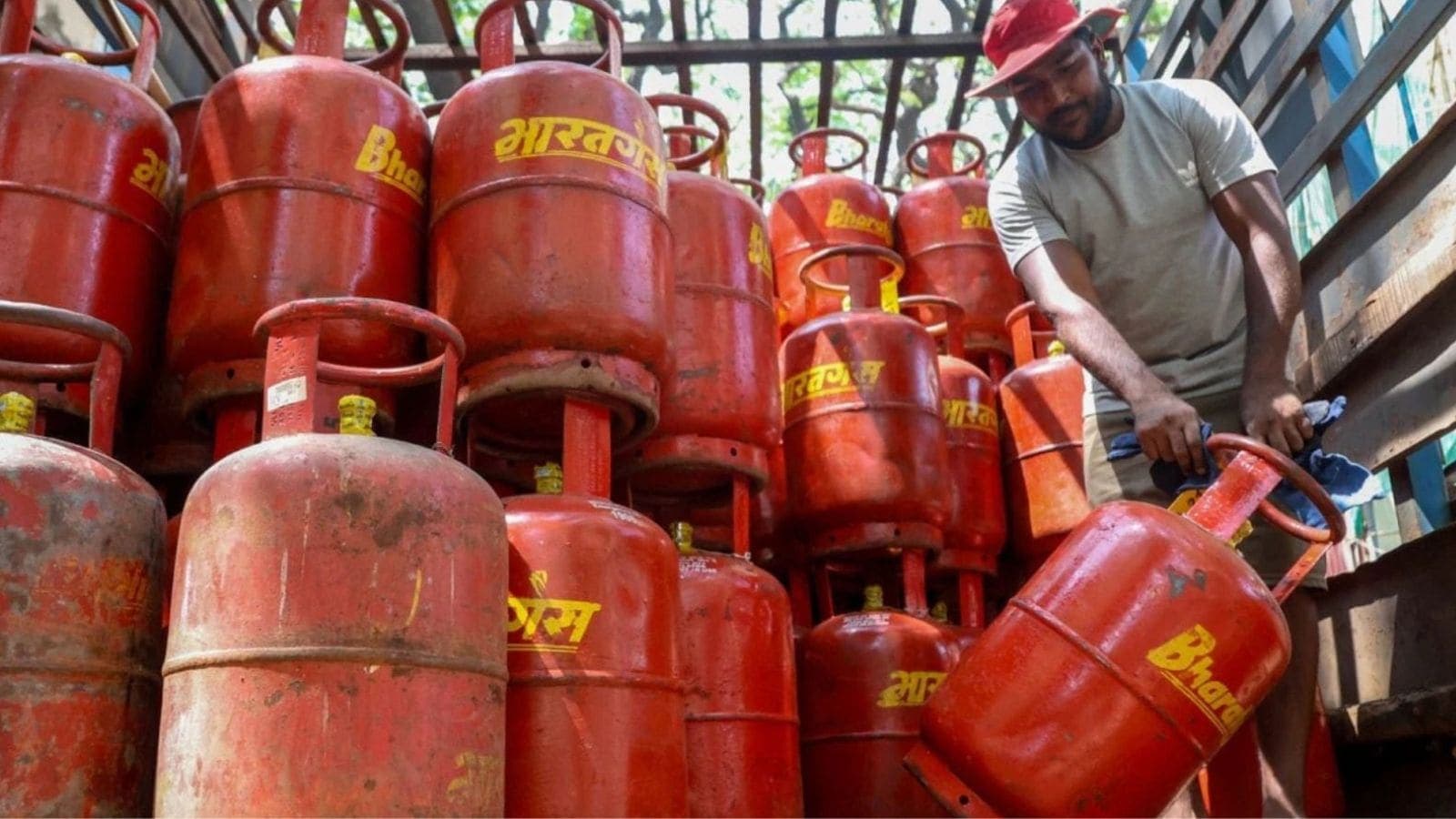
Commercial LPG prices have risen again, with increases of ₹42 in Delhi and ₹53.50 in Kolkata impacting businesses and consumers alike. Find out more.
Indian Express
Discover how a tragic coal mine explosion in Shanxi, China, reveals ongoing safety concerns in the industry amidst a push for green energy.
BBC Business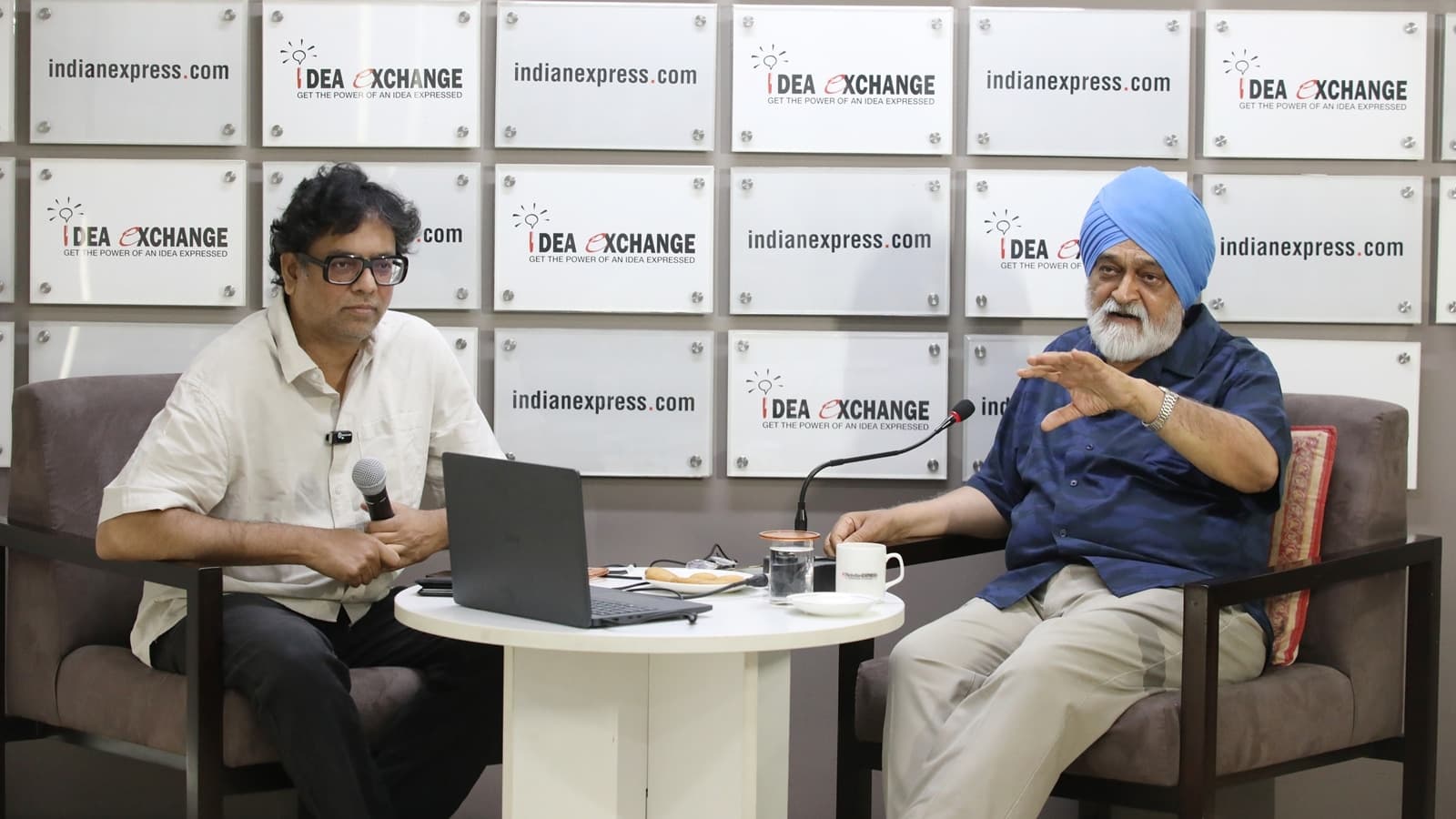
Montek Singh Ahluwalia highlights key economic challenges for India, emphasizing the need for a strategic approach to balance payments and investment.
Indian Express