
Glipzo
WorldTechnologyBusinessSportsEntertainmentScienceHealthPolitics
Glipzo
WorldTechnologyBusinessSportsEntertainmentScienceHealthPolitics
  1. Home
  2. /
  3. Technology
  4. /
  5. Google's Smart Glasses: A Major Comeback After Glass Flop
Google's Smart Glasses: A Major Comeback After Glass Flop

Image: BBC Business

Technology
Wednesday, May 20, 20264 min read

Google's Smart Glasses: A Major Comeback After Glass Flop

Google announces a new line of smart glasses, set for autumn 2023. Discover how they aim to redefine wearable tech after the original Glass failure.

Glipzo News Desk|Source: BBC Business
Share
Glipzo

Key Highlights

  • Google unveils new smart glasses, launching in autumn 2023.
  • Glasses feature audio assistance from AI product Gemini.
  • Privacy concerns linger as smart glasses market grows.
  • Industry experts see potential for innovation in eyewear technology.
  • Google's new approach aims to learn from past failures.

In this article

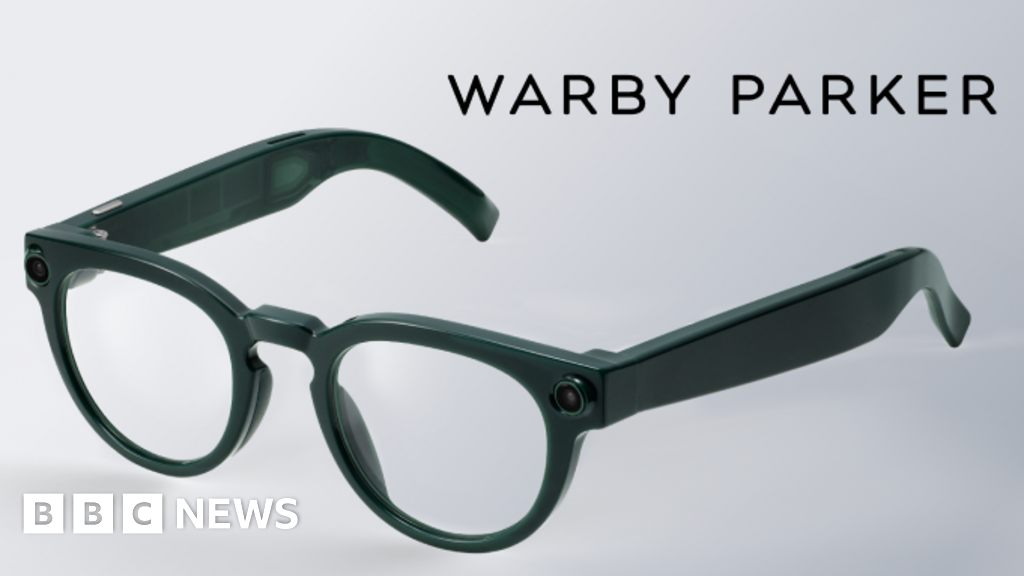
  • Google Takes Another Shot at Smart Glasses More than a decade after the infamous failure of **Google Glass**, the tech giant is making a bold move to re-enter the smart glasses market. Set to hit the shelves in **autumn 2023**, these new glasses promise to offer innovative features powered by Google's advanced **artificial intelligence** product, **Gemini**. During its recent developer conference, Google unveiled the glasses designed in collaboration with **Warby Parker** and **Gentle Monster**, highlighting a striking new approach to wearable technology.
  • A History of Challenges: Learning from the Past The original **Google Glass**, launched in **2013**, faced severe backlash that led to its discontinuation just two years later. Concerns over **privacy** and a steep price tag resulted in a lack of consumer trust and acceptance. As the new smart glasses prepare for release, Google seems to be acutely aware of these past pitfalls. The current offering is designed to address these concerns while incorporating modern advancements in technology.
  • Competing in a Crowded Market The landscape for smart eyewear is becoming increasingly competitive. **Meta's Ray-Ban** smart glasses have already sold over **seven million units**, showcasing a robust demand for this type of technology. However, similar to Google Glass, Meta's offerings have also ignited privacy concerns, with reports of unwitting bystanders being filmed in various settings.
  • The Future of Smart Glasses: Opportunities and Integration Investor **Christine Tsai** from **500 Global** emphasized the positive implications of Google's re-entry into the smart glasses market. She noted that this development is beneficial not only for consumers but also for early-stage startups that can leverage such technology to enhance their offerings. The potential for smart glasses to become the next big platform, similar to smartphones, is becoming more apparent.
  • Why It Matters: The Implications of Smart Glasses As smart glasses gain traction, their potential impact on everyday life cannot be overlooked. From navigation assistance to event management, the applications for this technology are vast. They could pave the way for more intuitive interactions with our digital environments, fundamentally changing how we perceive and utilize technology.
  • Looking Ahead: What’s Next for Google and Smart Glasses? As Google prepares to launch its smart glasses, industry watchers will be keen to see how the company navigates the challenges posed by previous failures. The upcoming months will reveal more about the in-lens display version and how developers plan to create applications that fully utilize the capabilities of these glasses. Will Google succeed in capturing the market that eluded it a decade ago? Only time will tell, but the excitement surrounding this next generation of smart glasses is palpable.

Google Takes Another Shot at Smart Glasses More than a decade after the infamous failure of **Google Glass**, the tech giant is making a bold move to re-enter the smart glasses market. Set to hit the shelves in **autumn 2023**, these new glasses promise to offer innovative features powered by Google's advanced **artificial intelligence** product, **Gemini**. During its recent developer conference, Google unveiled the glasses designed in collaboration with **Warby Parker** and **Gentle Monster**, highlighting a striking new approach to wearable technology.

The upcoming smart glasses are equipped with a small camera and audio components that allow Gemini to deliver information and assistance directly into the user's ear. This hands-free, heads-up experience aims to redefine how users interact with technology in their daily lives, offering an alternative to traditional smartphone usage. As Shahram Izadi, a Google executive, stated, these glasses are designed to provide all-day support without requiring the user to look down at a display.

A History of Challenges: Learning from the Past The original **Google Glass**, launched in **2013**, faced severe backlash that led to its discontinuation just two years later. Concerns over **privacy** and a steep price tag resulted in a lack of consumer trust and acceptance. As the new smart glasses prepare for release, Google seems to be acutely aware of these past pitfalls. The current offering is designed to address these concerns while incorporating modern advancements in technology.

Unlike the original model, which had a visual display, the new smart glasses will focus solely on audio interaction. However, Google is reportedly working on a future version that will include an in-lens display, allowing for visual notifications and information. Izadi confirmed that more details about this feature will be shared later this year, signaling a thoughtful and phased approach to product rollout.

Competing in a Crowded Market The landscape for smart eyewear is becoming increasingly competitive. **Meta's Ray-Ban** smart glasses have already sold over **seven million units**, showcasing a robust demand for this type of technology. However, similar to Google Glass, Meta's offerings have also ignited privacy concerns, with reports of unwitting bystanders being filmed in various settings.

In addition to Google and Meta, Snap is expected to launch a new version of its smart glasses this year, while Apple is rumored to be developing its own eyewear product. This growing interest in smart glasses indicates a shift in consumer behavior, with a rising acceptance of augmented reality (AR) and smart technology.

The Future of Smart Glasses: Opportunities and Integration Investor **Christine Tsai** from **500 Global** emphasized the positive implications of Google's re-entry into the smart glasses market. She noted that this development is beneficial not only for consumers but also for early-stage startups that can leverage such technology to enhance their offerings. The potential for smart glasses to become the next big platform, similar to smartphones, is becoming more apparent.

Developer Anil Shah, who is working on an events management app called tixfix.ai, expressed enthusiasm about integrating existing Google services like Google Maps and Google Voice into smart glasses. Shah believes that incorporating voice commands for event searches could significantly improve user experience.

  • **Key Features of Google's Smart Glasses:**

Why It Matters: The Implications of Smart Glasses As smart glasses gain traction, their potential impact on everyday life cannot be overlooked. From navigation assistance to event management, the applications for this technology are vast. They could pave the way for more intuitive interactions with our digital environments, fundamentally changing how we perceive and utilize technology.

Moreover, the growing competition in the smart glasses market will likely push companies to innovate rapidly, increasing the quality and functionality of these devices. As privacy concerns continue to loom, it will be crucial for companies, including Google, to address these issues transparently to build trust with consumers.

Looking Ahead: What’s Next for Google and Smart Glasses? As Google prepares to launch its smart glasses, industry watchers will be keen to see how the company navigates the challenges posed by previous failures. The upcoming months will reveal more about the in-lens display version and how developers plan to create applications that fully utilize the capabilities of these glasses. Will Google succeed in capturing the market that eluded it a decade ago? Only time will tell, but the excitement surrounding this next generation of smart glasses is palpable.

Stay tuned for updates as Google continues to innovate in the realm of wearable technology and as the competition heats up among major players in the smart glasses arena.
Did you find this article useful? Share it!

Share

Related Articles

Nvidia Unveils Groundbreaking AI Chip for PCs
Technology
Jun 1, 2026

Nvidia Unveils Groundbreaking AI Chip for PCs

Nvidia's new RTX Spark chip aims to transform personal computing with AI, marking a significant shift in technology. Discover what this means for consumers.

BBC Business

Explosive Rocket Incident Raises Questions on NASA's Moon Missions
Technology
May 30, 2026

Explosive Rocket Incident Raises Questions on NASA's Moon Missions

The explosion of Blue Origin's New Glenn rocket raises significant concerns over NASA's lunar ambitions and the future of Amazon's satellite projects. Discover the implications.

BBC Science
Meta Faces Major Backlash Over User Account Bans in EU
Technology
May 29, 2026

Meta Faces Major Backlash Over User Account Bans in EU

Discover how Meta's lack of engagement on user bans raises critical concerns about accountability and transparency in social media governance.

BBC Technology

Categories

  • World
  • Technology
  • Business
  • Sports

More

  • Entertainment
  • Science
  • Health
  • Politics

Explore

  • Web Stories
  • About Us
  • Contact

Legal

  • Privacy Policy
  • Terms of Service
  • Disclaimer

© 2026 Glipzo. All rights reserved.