

Image: Times of India
Google is restructuring its AI team to align with Nvidia CEO Jensen Huang's vision for AI. Discover what this means for the tech industry and consumers.
GlipzoIn a surprising move that has sent ripples through the tech industry, Google is making significant changes to its AI team. This shift comes in the wake of Nvidia CEO Jensen Huang's recent fascination with transforming artificial intelligence as we know it. The strategic reorganization aims to enhance Google's competitive edge in the rapidly evolving landscape of AI technologies.
This restructuring at Google isn't just a routine adjustment; it's a calculated response to the increasing pressure from competitors and the fast-paced advancements in AI. Jensen Huang, the visionary behind Nvidia, has been vocal about harnessing AI's full potential, and his influence is becoming palpable in the tech community.
Nvidia, renowned for its cutting-edge graphics processing units (GPUs), has pivoted towards AI, driving innovations that have redefined capabilities in machine learning, deep learning, and data processing. Huang’s ambition is not just to lead in hardware but to create a comprehensive ecosystem that empowers developers and companies to integrate AI seamlessly into their operations.
Google, eager to stay ahead of the curve, is aligning its resources and talents to mirror this ambition. This includes attracting top-tier talent and re-evaluating existing projects to ensure they align with the latest trends in AI technology.
AI has transcended its initial role as a mere tool, becoming a cornerstone of digital transformation across industries. Companies are leveraging AI to enhance decision-making, improve customer experiences, and optimize operations. With giants like Google and Nvidia at the forefront, the race to dominate the AI landscape is intensifying.
Key Factors Driving Google's AI Team Changes: - Competitive Pressure: Companies like Nvidia are rapidly innovating, making it imperative for Google to adapt. - Talent Acquisition: Google is focusing on recruiting experts who can contribute to groundbreaking AI developments. - Project Realignment: Existing projects are being scrutinized and adjusted to meet current market demands and technological advancements.
Nvidia's recent developments in AI, particularly in the realms of deep learning and neural networks, have set new standards in the industry. The company's GPU technology has become synonymous with high-performance computing, enabling faster processing of vast amounts of data, which is crucial for training AI models. Huang’s vision for a future powered by AI is not just about hardware; it encompasses software solutions that facilitate easier adoption and integration of AI technologies.
This shift in focus is resonating within Google, as they recognize the need to not only compete but also innovate in ways that resonate with this new wave of AI capabilities. By restructuring their AI team, Google aims to harness the potential of Nvidia's advancements and incorporate them into their own suite of products and services.
For consumers and businesses alike, these changes at Google signal a new era of AI applications that promise to enhance their daily lives and operations. As Google invests more in AI, we can expect: - Improved AI Features: Enhanced capabilities in Google products, making them more intuitive and user-friendly. - Increased Competition: A more dynamic market where companies innovate to offer better AI solutions. - Broader Accessibility: Democratization of AI tools that empower smaller businesses and individuals to utilize advanced technologies.
As Google embarks on this new chapter in its AI journey, industry watchers are keen to see how these changes will unfold. The tech landscape is evolving rapidly, and companies that fail to keep pace risk obsolescence. Google’s proactive approach demonstrates its commitment to not just participating in the AI revolution but leading it.
Key Takeaways for the Future: - Keep an eye on new AI features and tools released by Google in the coming months. - Watch for partnerships and collaborations that may arise as Google seeks to enhance its AI capabilities. - Anticipate shifts in market dynamics as competition intensifies, pushing all players to innovate.
In conclusion, as Google adapts its AI strategies in response to Nvidia's influence, the implications for both technology and consumers are profound. The next few years will be critical in shaping the future of AI, and Google’s actions will undoubtedly play a pivotal role in this evolution.
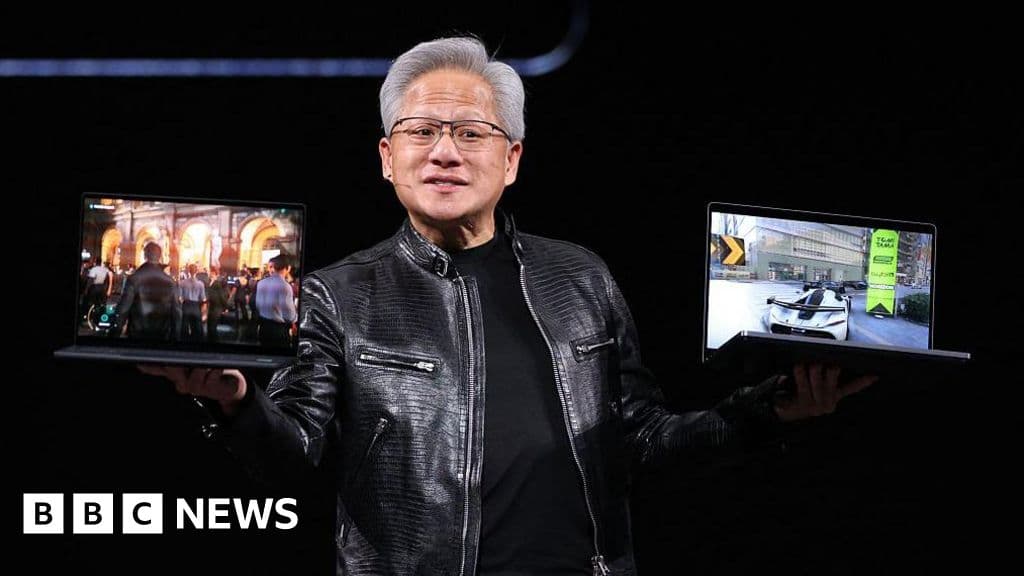
Nvidia's new RTX Spark chip aims to transform personal computing with AI, marking a significant shift in technology. Discover what this means for consumers.
BBC Business
The explosion of Blue Origin's New Glenn rocket raises significant concerns over NASA's lunar ambitions and the future of Amazon's satellite projects. Discover the implications.
BBC Science
Discover how Meta's lack of engagement on user bans raises critical concerns about accountability and transparency in social media governance.
BBC Technology