

Image: TechCrunch
Google's new sideloading feature allows Android users to install apps from outside the Play Store while enhancing security against scams. Discover how it works.
GlipzoIn a groundbreaking move, Google is shaking up the way Android users can install applications from sources outside the official Play Store. Following the resolution of its extensive antitrust dispute regarding the Android app marketplace, the tech giant has introduced an “advanced flow” feature aimed at simplifying the sideloading process while still maintaining user security. This initiative was announced on October 12, 2023, and is set to provide users with more freedom in managing their devices.
The “advanced flow” setting allows Android users to disable verification requirements that typically hinder the installation of unverified applications. This change is significant for many Android enthusiasts who have long sought more autonomy over their device's app installations. Google’s goal is to balance user freedom with robust security measures, ensuring that while users can install apps from outside the Play Store, they remain protected from potential scams and malware.
To sideload apps using the advanced flow, users must first enable developer mode within their device's system settings. This step is crucial as it prevents unintentional actions that could lead to security breaches. Google emphasizes that cybersecurity threats often exploit users' emotions, particularly through high-pressure tactics that instill fear regarding financial loss or legal consequences.
Once developer mode is enabled, users must undergo a series of checks to ensure they are not being influenced by a scammer. This includes: - Restarting the device: Users are required to restart their phones, cutting off any potential remote access that could be used by scammers. - Reauthentication: Users must reauthenticate their identity to confirm that they are making the changes themselves. - One-day waiting period: A protective waiting period of 24 hours is implemented to allow users to reconsider their decision, reducing the risk of impulsive actions driven by fear.
After this waiting period, users can finalize the changes through biometric authentication methods like fingerprint scanning or facial recognition, or by entering their device PIN. Once completed, users gain the ability to install applications from unverified developers, though they will still receive a warning about the risks involved.
This new feature reflects Google's understanding of the desire for more user autonomy. While the company has taken steps to secure the Play Store by requiring all applications to be registered by verified developers, many users express a strong preference for the freedom to choose. The advanced flow setting is an acknowledgment of this sentiment.
Google's approach aims to empower users to take responsibility for their app choices. Users can opt to enable sideloading for a period of seven days or indefinitely. However, it is important to note that warnings about unverified developers will still appear, keeping users informed about potential risks.
The introduction of this advanced sideloading option is particularly significant in the context of the 2025 Global Anti-Scam Alliance (GASA) report, which revealed that a staggering 57% of adults experienced some form of scam. By implementing these protective measures, Google is not only enhancing user freedom but also working to mitigate the risks associated with app installations outside the Play Store.
This announcement comes on the heels of a major legal settlement between Google and Epic Games, the creator of Fortnite, which centered on anticompetitive practices within the Play Store. As part of this settlement, Google agreed to reduce its Play Store commission on in-app purchases from 30% to 20%. If developers opt to use Google’s billing system, an additional 5% fee applies, further incentivizing developers to consider their options carefully.
With these changes, Google is not only reshaping its policies but also responding to growing pressures from both users and developers who seek a more flexible app ecosystem. This evolution in policy could potentially alter how developers approach app distribution in the future.
As Google rolls out this new sideloading feature, users and developers alike will be watching closely to see how it impacts the landscape of app distribution on Android devices. The balance between user empowerment and security will likely continue to be a topic of discussion, especially as more users take advantage of the flexibility this feature provides.
In the coming months, it will be interesting to monitor how many users choose to sideload applications, as well as the types of applications being installed through this method. The long-term implications on security practices and user behavior will be critical indicators of the success of this new feature.
In conclusion, Google’s advanced flow for sideloading represents a significant shift in how users engage with apps on their Android devices. By prioritizing both user freedom and security, Google is setting a new standard for app distribution that could reshape the future of the Android ecosystem.
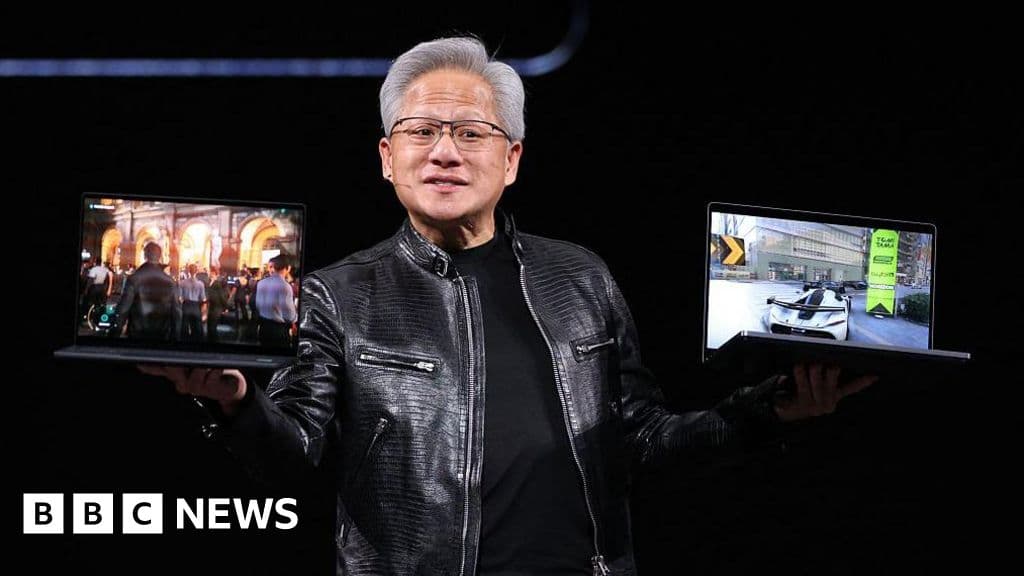
Nvidia's new RTX Spark chip aims to transform personal computing with AI, marking a significant shift in technology. Discover what this means for consumers.
BBC Business
The explosion of Blue Origin's New Glenn rocket raises significant concerns over NASA's lunar ambitions and the future of Amazon's satellite projects. Discover the implications.
BBC Science
Discover how Meta's lack of engagement on user bans raises critical concerns about accountability and transparency in social media governance.
BBC Technology