
Image: Ars Technica
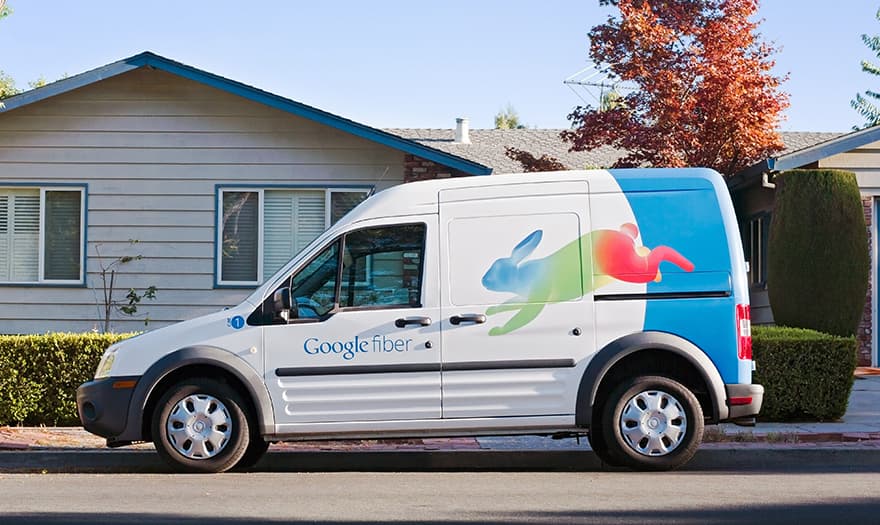
Google Fiber is merging with Astound Broadband under private equity Stonepeak, aiming to create a larger, more competitive internet service provider.
GlipzoIn a significant shift for the high-speed internet landscape, Google Fiber, now rebranded as GFiber, is being acquired by the private equity firm Stonepeak. This acquisition also includes a merger with Astound Broadband, creating a formidable independent internet service provider. The announcement was made on Wednesday by Alphabet, Google’s parent company, which will retain a minority stake in the newly formed entity.
Initially launched with ambitious goals back in 2012, GFiber has had to recalibrate its expansion plans since 2016, focusing on sustainability rather than rapid growth. The decision to merge with Astound Broadband is part of a strategy to enhance operational independence while securing the necessary capital for future growth. The deal is pending regulatory approvals and is expected to close by the end of Q4 2023.
The merger between GFiber and Astound Broadband aims to combine their resources and expertise to create a national network platform that is both robust and efficient. According to the announcement, the new entity will be led by the existing executive team at GFiber, who will leverage their experience in high-speed fiber innovation to manage the expanded network.
Ruth Porat, Alphabet’s President and Chief Investment Officer, emphasized that this merger will allow GFiber to extend its reach across the United States while maintaining a high-quality customer experience. She pointed out that Alphabet's decision to maintain a minority stake reflects confidence in GFiber's future growth prospects and leadership.
Astound Broadband isn't new to the landscape; it has undergone several rounds of consolidation itself, integrating multiple companies like Wave Broadband, RCN, and Grande Communications. With this merger, the combined entity will serve approximately 7.1 million locations across 26 states, presenting a significant competitive challenge to other providers.
A research report from New Street indicates that GFiber services 2.8 million locations in 15 states, while Astound covers 4.45 million locations in 12 states and the District of Columbia. Notably, the merger will bring together GFiber’s high-growth metropolitan networks with Astound’s established infrastructure, leading to a network that balances both cable and fiber services.
As the newly formed company moves forward, it will encounter fierce competition from existing providers in most of its territories. According to New Street, the competition landscape includes: - AT&T: 53% of locations - Comcast: 46% of locations - Charter: 43% of locations - Verizon: 22% of locations - Lumen (CenturyLink): 11% of locations
This merger signifies a pivotal moment in the internet service industry, particularly in the context of increasing demand for high-speed broadband fueled by remote work and digital connectivity. With a goal of achieving operational and financial independence, the merged GFiber and Astound will be better positioned to innovate and expand, potentially improving service delivery in underserved areas.
As consumers continue to seek reliable internet access, the combined strengths of GFiber and Astound could lead to enhanced services and more competitive pricing. The merger not only consolidates resources but also suggests a broader trend toward consolidation in the telecommunications sector.
As we move closer to the expected closing date in Q4 2023, all eyes will be on how this merger unfolds. Key aspects to monitor include: - Regulatory approvals: Will there be any hurdles in the merger process? - Branding decisions: What will the newly merged company be called? - Service expansion plans: Will they enter new markets or upgrade existing services?
The integration of GFiber and Astound Broadband represents a significant strategic move that could reshape the landscape of internet service provision in the United States. Stakeholders, including consumers and industry analysts, will be keenly watching how this merger plays out and what it means for the future of internet connectivity across the nation.
Nvidia's new RTX Spark chip aims to transform personal computing with AI, marking a significant shift in technology. Discover what this means for consumers.
BBC Business
The explosion of Blue Origin's New Glenn rocket raises significant concerns over NASA's lunar ambitions and the future of Amazon's satellite projects. Discover the implications.
BBC Science
Discover how Meta's lack of engagement on user bans raises critical concerns about accountability and transparency in social media governance.
BBC Technology