
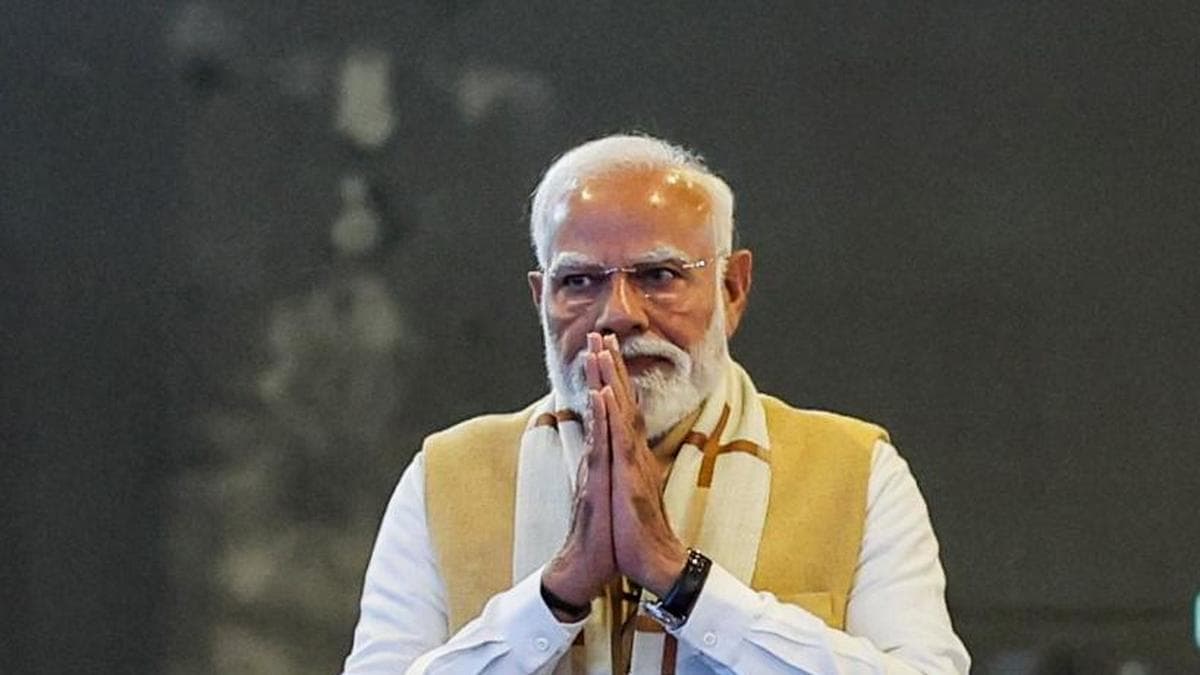
Image: The Hindu
Discover how PM Modi emphasized global cooperation to tackle AI bias at the AI Impact Expo 2026, advocating for a human-centric approach to technology.
GlipzoIn a pivotal moment for India and the global AI landscape, Prime Minister Narendra Modi has articulated a vision for artificial intelligence (AI) that emphasizes collaboration and inclusivity. During his speech at the AI Impact Expo 2026 in New Delhi on February 17, 2026, Modi described AI as being at a "civilizational inflection point," underscoring its potential to enhance human capabilities while also presenting challenges for social structures if not managed properly.
The summit marks a significant milestone as it is the first AI event in the Global South, showcasing India’s commitment to leading in responsible AI development. Modi stressed that AI should accelerate global development while maintaining a human-centric approach. This reflects India's ambition to not only utilize AI but to guide its evolution in a manner that is aligned with Indian values and societal needs.
In his interview with Asian News International (ANI), Prime Minister Modi elaborated on the IndiaAI Mission, which aims to ensure that AI technologies are developed with a framework that mirrors the country’s diverse values. He stated, "Through the IndiaAI Mission, we are ensuring a code that reflects our values, serves our people, and positions India as a responsible AI leader for the world."
Some of the initiatives highlighted by Modi include: - AI in Healthcare: AI is actively addressing health challenges, improving service delivery and efficiency. - AI in Education: The technology is being leveraged to enhance educational outcomes. - Support for Women: Organizations like Amul have utilized AI to assist 36 lakh women dairy workers, providing vital information on cattle health and productivity.
The Prime Minister acknowledged the ongoing concerns regarding AI bias, particularly in relation to gender and socio-economic status. He emphasized that addressing these biases necessitates global cooperation. "Our diversity — linguistic, cultural, regional — means that AI bias can manifest in ways that might not be obvious in Western contexts," Modi explained, highlighting the need for diverse datasets that accurately reflect the plurality of Indian society.
As AI continues to evolve, questions about its impact on employment, particularly in the IT sector, are increasingly relevant. Modi reassured the public that AI would not replace jobs but rather transform them. He stated, "The fundamental shift is that AI isn’t replacing the IT sector. It is transforming it."
To prepare for this transformation, Modi’s government has launched one of the most ambitious skilling initiatives globally. He emphasized, "Preparation is the best antidote to fear," indicating that proactive measures are being taken to equip the workforce for the future.
In addressing safety and ethical considerations associated with AI, Modi called for global collaboration to ensure that while AI can enhance human capabilities, the responsibility for decision-making must ultimately lie with humans. He articulated his vision for AI in the context of a self-reliant India (Aatmanirbhar Bharat), which rests on three pillars: - Sovereignty - Inclusivity - Innovation
Modi expressed his aspiration for India to rank among the top three AI superpowers worldwide, not just as a consumer but as a creator of AI models. He reiterated that every Indian should view AI as an opportunity rather than a threat, ensuring that technology serves to uphold human dignity.
As the AI Impact Expo 2026 unfolds, it marks a crucial step towards redefining how AI can be harnessed for the greater good while addressing the ethical and societal challenges it presents. The emphasis on global cooperation suggests that future discussions will likely focus on creating frameworks that can mitigate bias and promote fairness across diverse populations.
In the coming months, stakeholders will need to closely monitor how these initiatives develop, as well as the impact they have on both local and global scales. The outcomes of the IndiaAI Mission and the initiatives discussed at the summit could serve as a blueprint for other nations grappling with similar issues.
As India positions itself as a leader in the AI domain, the world will be watching to see how it balances innovation with ethical responsibility and how it fosters a collaborative environment to tackle bias and inequality in AI technology. With ongoing discussions around AI governance, the commitment to a human-centered approach will be critical in shaping an equitable future for all.
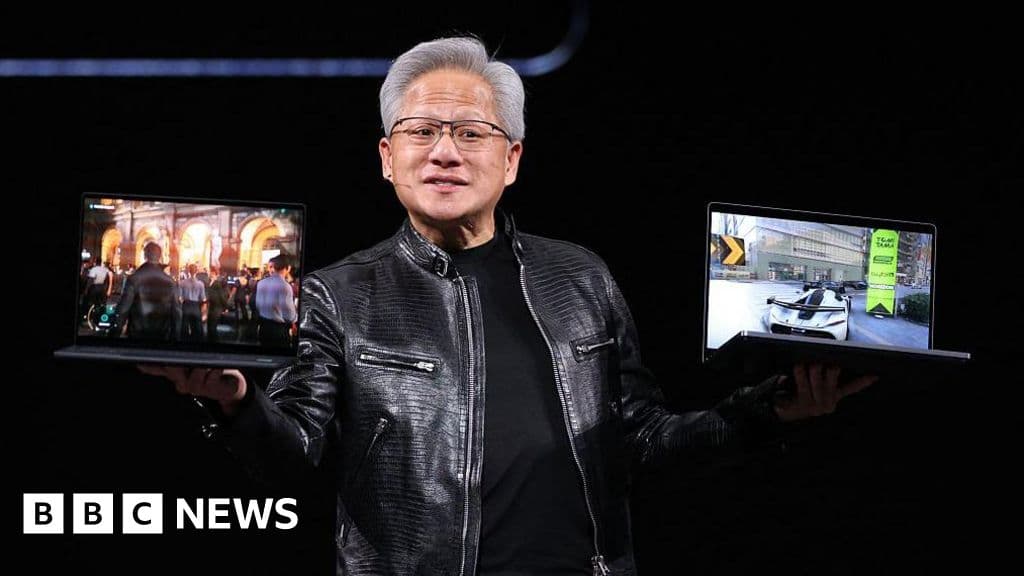
Nvidia's new RTX Spark chip aims to transform personal computing with AI, marking a significant shift in technology. Discover what this means for consumers.
BBC Business
The explosion of Blue Origin's New Glenn rocket raises significant concerns over NASA's lunar ambitions and the future of Amazon's satellite projects. Discover the implications.
BBC Science
Discover how Meta's lack of engagement on user bans raises critical concerns about accountability and transparency in social media governance.
BBC Technology