

Image: The Verge
Explore the revolutionary yet slow task automation by Gemini, providing a glimpse into the future of AI assistants on your smartphone.
GlipzoImagine ordering dinner while multitasking, all thanks to an advanced AI assistant. Gemini's new task automation feature is currently making waves, particularly on devices like the Pixel 10 Pro and Galaxy S26 Ultra. While the technology is still in beta and limited to a few food delivery and rideshare services, the potential it showcases is nothing short of impressive. Although the system is not without its flaws—often clunky and slow—the experience provides a fascinating insight into the capabilities of AI in our daily lives.
Users have reported that it took about nine minutes to order dinner, which may seem excessive compared to the speed of human interaction. However, this automation is designed to run in the background, allowing users to focus on other tasks. By automating routine actions, Gemini opens up a new frontier for multitasking, making it possible to check your bag for essentials while your dinner order is processed.
One of the standout features of Gemini's task automation is its transparency. As it works through your request, text appears at the bottom of the screen, indicating actions like, "Selecting a second portion of Chicken Teriyaki for the combo.” This real-time feedback adds an engaging element to the experience, allowing users to witness how the AI interprets and executes commands.
However, this isn’t without its challenges. Sometimes, the AI can struggle with simple tasks, like locating a side dish on a menu, which can be frustrating for users. Watching Gemini take its time—especially when the desired option is clearly visible—can feel like a suspenseful scene in a movie. Yet, the system eventually learns and adjusts, which is a promising sign of its adaptive capabilities.
Despite its innovative features, Gemini's automation still has some limitations. The default setting for task execution is to run in the background, requiring users to tap a button to monitor the process. This design choice can be beneficial, as it allows you to continue your activities without interruption, but it also means that you might miss out on seeing how the AI handles your requests in real time.
While it may take longer than expected, the accuracy of Gemini is commendable. During various tests, the AI managed to produce correct orders with minimal adjustments. Users can rest assured that the final confirmation step remains in their hands, preventing any rogue orders from being placed. If something goes awry, it's usually due to external factors, such as needing location permissions or outdated delivery addresses.
In a particularly noteworthy test, the author scheduled a hypothetical flight to San Francisco and prompted Gemini to arrange an Uber for the airport. The AI successfully accessed the user's calendar and email to gather the necessary details, showcasing its ability to integrate multiple data sources. While it required some additional input from the user, the fact that it could pull this information together demonstrates the potential for future applications in personal scheduling.
The implications of Gemini's task automation extend beyond mere convenience. As technology continues to evolve, the integration of AI into daily tasks can significantly enhance productivity and efficiency. This development represents a step toward more intuitive interfaces, making technology more accessible and user-friendly.
Looking forward, the future of task automation with Gemini appears promising. As the technology continues to develop, we can anticipate enhancements that will address current limitations, such as speed and user experience. Future updates may expand the number of compatible apps and services, making Gemini an even more powerful tool in the daily lives of users.
As the world becomes increasingly reliant on technology, innovations like Gemini's task automation will play a crucial role in shaping how we interact with our devices. With ongoing improvements, this feature has the potential to revolutionize the way we manage our time and complete everyday tasks.
In summary, while Gemini’s task automation is slow and sometimes clumsy, it offers a glimpse into a future where AI can assist us in our daily routines. As we await further advancements, users should keep an eye on this evolving technology—its impact could be transformative in how we approach task management and productivity in the years to come.
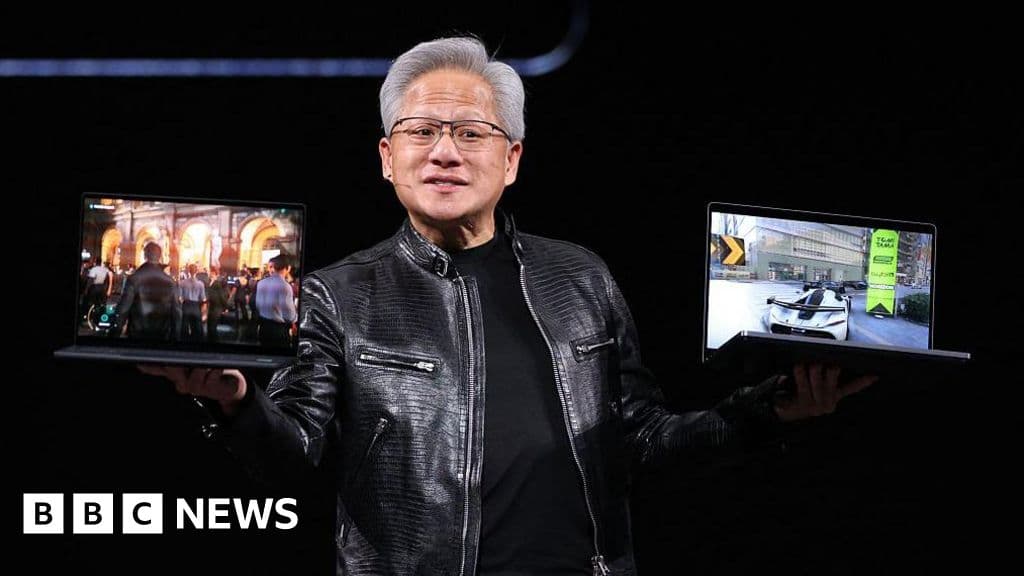
Nvidia's new RTX Spark chip aims to transform personal computing with AI, marking a significant shift in technology. Discover what this means for consumers.
BBC Business
The explosion of Blue Origin's New Glenn rocket raises significant concerns over NASA's lunar ambitions and the future of Amazon's satellite projects. Discover the implications.
BBC Science
Discover how Meta's lack of engagement on user bans raises critical concerns about accountability and transparency in social media governance.
BBC Technology