
Image: BBC World
Gaza faces worsening conditions as global focus shifts to Iran. Discover how political tensions impact the humanitarian crisis in this war-torn region.
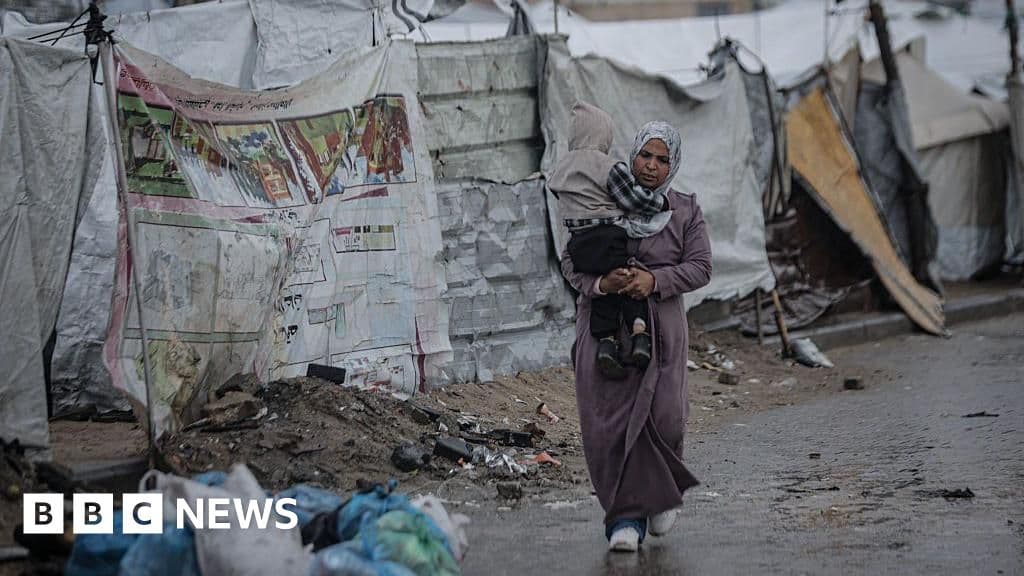
GlipzoIn the aftermath of a fragile ceasefire that took hold nearly six months ago, Gaza remains in turmoil, as Palestinians grapple with escalating hardships. The ongoing conflict, particularly the recent tensions involving Iran and Israel, has overshadowed the dire conditions faced by those in this war-ravaged region. Merchants report significant shortages of goods and soaring prices, stemming from disrupted supplies that once flowed from Israel.
One local shopper, Hassan Faqawi, voiced the frustrations of many, stating, "What does the war between Iran and Israel have to do with us? Prices have doubled here. Goods aren't coming in like before. In this situation, the whole world is focused on Iran, America, and Israel, and Gaza is forgotten." This sentiment underscores a broader concern that the international community's attention has pivoted away from the plight of Gaza.
As the spotlight shifts towards the escalating conflict between Iran and Israel, the future of Gaza hangs in the balance. This comes at a critical juncture for President Trump’s 20-point peace plan, which previously aimed to halt fighting and foster stability. In recent discussions at the UN Security Council, Nickolay Mladenov, the U.S. High Representative for Gaza, presented a plan requiring Palestinian armed groups to decommission their weapons, linking this compliance to the initiation of reconstruction efforts.
However, insiders familiar with Hamas operations suggest that the group may reject these proposals, raising the specter of renewed military offensives. Israeli Prime Minister Benjamin Netanyahu has called for disarmament from Hamas, stating it must happen “either the easy way or the hard way.” As tensions continue to simmer, the fear of escalating violence looms large.
In recent weeks, heavy rains have exacerbated the humanitarian crisis in Gaza, causing significant sewage overflow in already crowded tent camps. While the Trump administration's plan promised to revive aid and rehabilitate crucial infrastructure, including essentials like water and electricity, humanitarian organizations argue that the reality on the ground tells a different story. Bushra Khalidi, Oxfam's Policy Lead, lamented, "A huge amount of our effort is spent negotiating for the smallest crumbs, like a crossing to reopen or a few liters of fuel. Progress towards recovery is limited and almost nonexistent."
The blockade imposed by Israel restricts critical materials needed for reconstruction, with authorities citing concerns that they could be diverted for military use by Hamas. Khalidi pointed out, "We’re not seeing large-scale debris removal or proper rehabilitation of underground infrastructure. Basic survival in Gaza is under threat."
Despite the ceasefire, Israeli airstrikes have persisted, leading to further casualties, including many civilians. Reports indicate that dozens of Palestinians have died since the start of the Iran conflict in late February, with Israel claiming its operations are aimed at Hamas. The ongoing violence raises questions about the effectiveness of the current ceasefire and the prospects for lasting peace.
In a surprising move, Hamas has shown initial support for a newly established 15-member Palestinian technocratic committee, which is intended to govern Gaza temporarily. However, behind the scenes, there are signs that Hamas is consolidating its power rather than relinquishing it. Reports indicate that the Hamas Interior Ministry is reconfiguring its command structure, appointing new police directors and establishing new security protocols, including checkpoints that have raised concerns among residents.
The economic situation in Gaza has also taken a turn for the worse, with traders reporting that Hamas has imposed heavy taxes on goods and services, further inflating prices. This has led to increased frustration among Gazans, who feel their voices are going unheard. A displaced woman, Hanaa, expressed despair, stating, "Unfortunately, no one is controlling Gaza right now except Hamas. We pray to God that peace will be imposed, and that the national committee will come and control Gaza."
With ongoing tensions, the situation in Gaza remains precarious, teetering on the brink of further conflict. As international entities continue to look towards Iran and Israel, the fate of the Palestinian people hangs in the balance. The need for a comprehensive and sustainable peace process has never been more urgent.
As the situation evolves, observers are left to ponder what the future holds for Gaza. The pressing need for humanitarian aid and infrastructure rehabilitation continues to grow, yet political roadblocks remain formidable. The international community must not lose sight of Gaza amid the wider regional conflicts.
Key factors to monitor include: - Hamas's response to the UN's peace proposals and whether it will agree to disarm. - The effectiveness and governance of the new technocratic committee in managing Gaza's affairs. - Ongoing humanitarian efforts and whether aid can be delivered amid the blockade.
Ultimately, the situation in Gaza is a critical reminder of the importance of focusing on local needs and ensuring that the voices of those affected by ongoing conflicts are not drowned out by geopolitical narratives. Only through dedicated efforts towards peace and stability can the suffering of the Gazan people be alleviated.
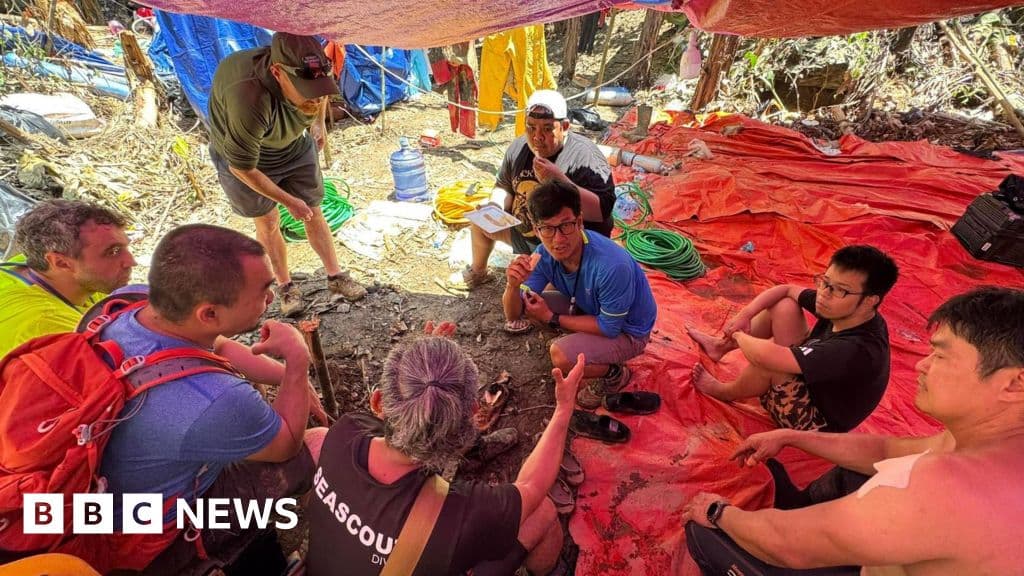
Survivors of the Laos cave rescue are aiding efforts to find the last two missing men trapped inside, sharing crucial insights for the search operation.
BBC World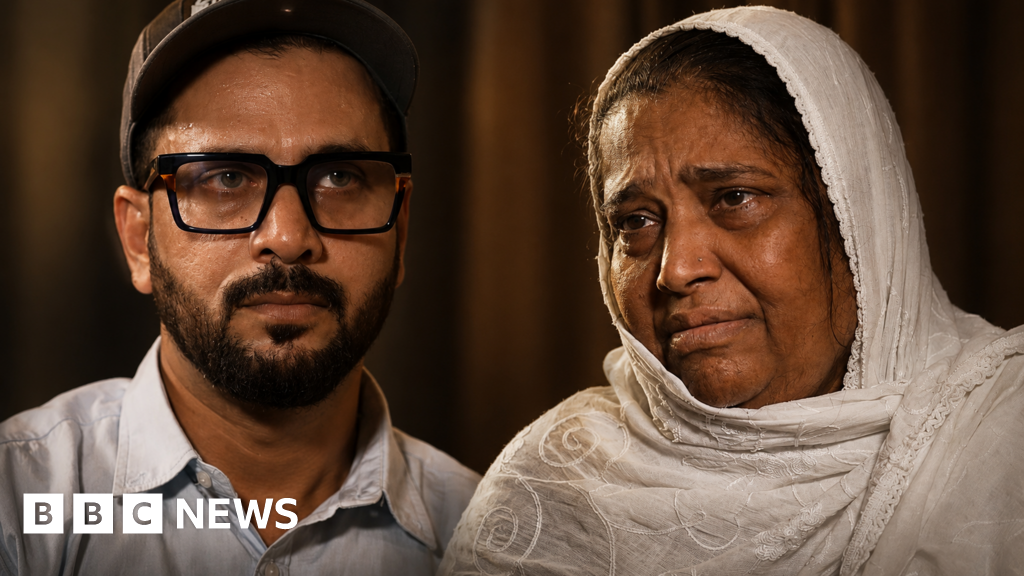
A year after the tragic Air India crash, the Ali family reflects on grief, unanswered questions, and the enduring bonds of love in the face of loss.
BBC Business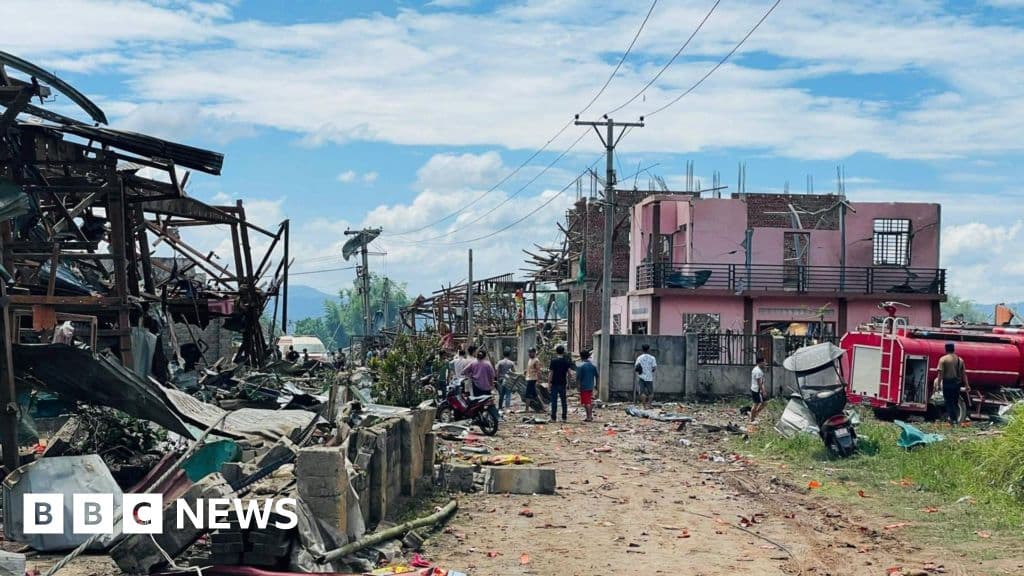
A devastating explosion in Myanmar's Kaung Tat village has killed at least 55 people, raising serious safety concerns and questions about civilian protection in conflict zones.
BBC World