
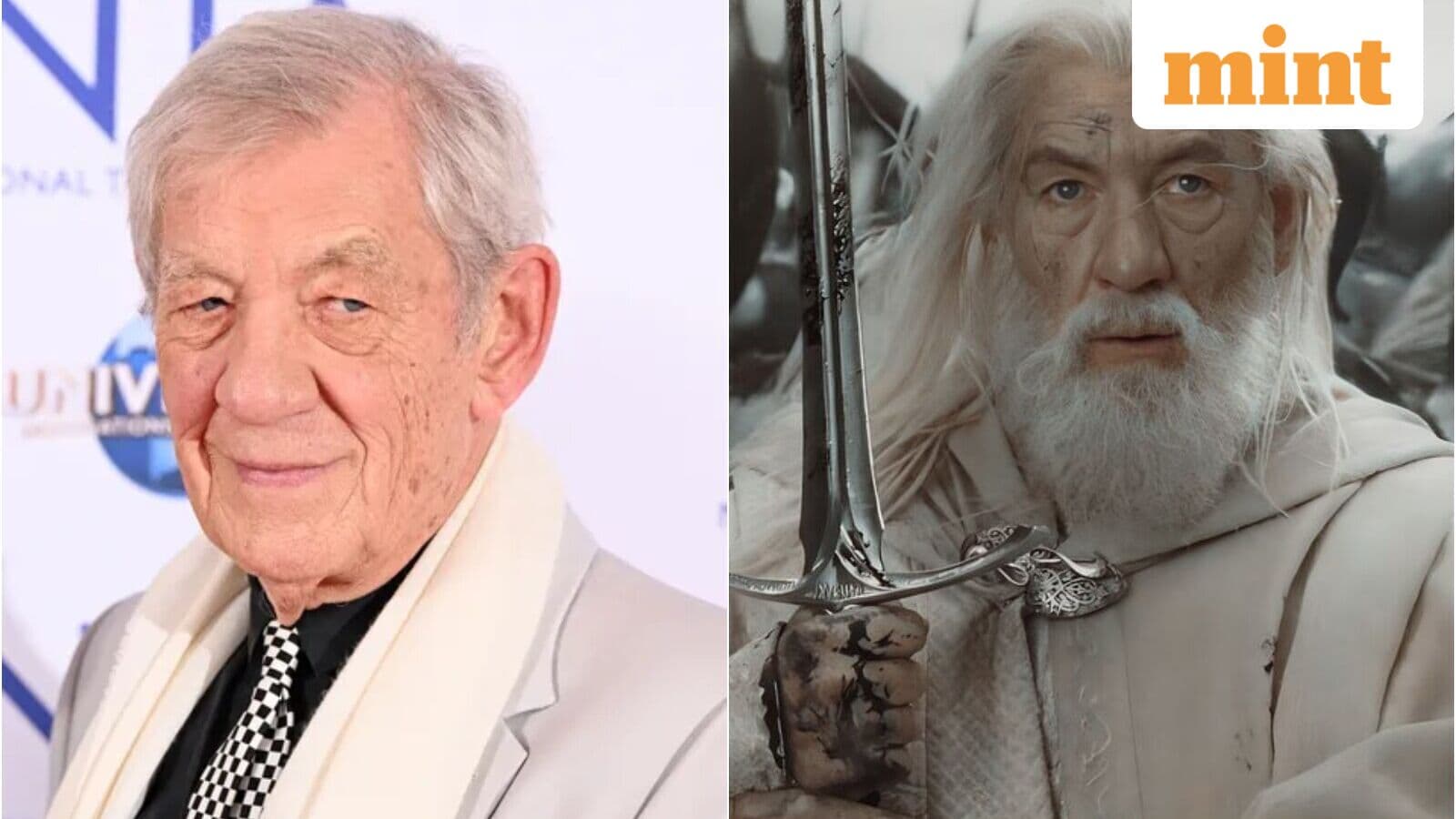
Image: Mint (Business)
Explore Gandalf's profound quote on mercy and judgment from The Lord of the Rings, a timeless reflection on life, death, and redemption.
GlipzoIn the realm of literature, few quotes resonate as profoundly as Gandalf's words from The Lord of the Rings: The Fellowship of the Ring: "Many that live deserve death. And some that die deserve life. Can you give it to them? Then do not be too eager to deal out death in judgement." Spoken by Gandalf to Frodo Baggins, these lines capture a crucial moment of reflection and moral complexity that echoes far beyond the pages of J.R.R. Tolkien's epic.
Gandalf's admonition occurs in the mines of Moria, a setting fraught with tension as Frodo grapples with his feelings about the creature Gollum. Frodo, feeling a sense of moral superiority, believes Gollum deserves death for his transgressions. Yet, Gandalf’s response serves as a powerful rebuke, challenging Frodo's (and the reader's) assumptions about justice and mercy. This moment is a critical thematic pivot in the story, urging readers to confront the implications of their judgments.
At its core, Gandalf's statement is a meditation on humility, mercy, and the limitations of our understanding. Tolkien, a devout Roman Catholic, imbued his work with theological concepts of grace and redemption. Gollum, despite his wretchedness, ultimately plays a pivotal role in the destruction of the One Ring. Had Frodo's quest for vengeance prevailed, the fate of Middle-earth may have taken a dark turn. Gandalf’s assertion reminds us that mercy is not a sign of weakness but rather a profound wisdom that often transcends immediate judgment.
These themes resonate universally, addressing our instincts to dismiss others and reminding us that our perspectives are often limited. This insight is crucial, especially in today's world, where quick judgments can lead to irreversible consequences.
J.R.R. Tolkien, born on January 3, 1892, in Bloemfontein, South Africa, and raised in England, became one of the most influential authors in literary history. He served as a professor at the University of Oxford, where he specialized in Anglo-Saxon and English language and literature. His academic background as a philologist greatly influenced his storytelling, leading to the creation of a rich tapestry of languages and cultures within Middle-earth, the setting of his most famous works.
Tolkien's journey to create The Lord of the Rings spanned over a decade. He began the project in 1937, shortly after the success of The Hobbit, and did not complete it until 1949. The novel was initially conceived as a single volume, but due to concerns over length and cost, it was published in three parts: The Fellowship of the Ring, The Two Towers, and The Return of the King. This decision has since solidified the series as a cornerstone of modern fantasy literature, with over 150 million copies sold worldwide.
Tolkien's experiences as a soldier in World War I, particularly during the Battle of the Somme, cast a long shadow over his work. The loss of close friends in the war permeates the landscapes of Middle-earth, filled with themes of ruin, resilience, and the search for hope amid despair. These experiences not only shaped his worldview but also infused his narratives with an authenticity that resonates with readers.
The enduring appeal of The Lord of the Rings lies not only in its adventurous plot and imaginative world but also in its profound moral inquiries. Tolkien’s characters wrestle with complex ethical dilemmas that challenge the reader to think deeply about the nature of good and evil, the possibility of redemption, and the power of mercy.
Gandalf's cautionary words remind us that our judgments can have significant consequences. In a world increasingly divided by opinions and ideologies, the message of humility and the recognition of the potential for change in others is more relevant than ever. As we navigate our own lives, the challenge remains: how do we balance justice with mercy?
In conclusion, Gandalf's poignant reflection is an invitation to engage with the complexities of life and death, urging us to reconsider how we view others. As we reflect on these themes, we can strive to embody the wisdom of Gandalf in our own judgments, recognizing that every life has value and that redemption is always within reach.
As we look to the future, the continued relevance of Tolkien's works serves as a reminder of the power of storytelling to inspire, challenge, and provoke thought in an ever-changing world.

Zahan Kapoor reveals an unconventional role in his upcoming film, signaling a significant shift from his breakout success in Black Warrant. What’s next for this rising star?
Bollywood Hungama
Discover how Vishal Jethwa is transforming his physique for Shakti Shalini, emphasizing the mental discipline behind peak fitness.
Bollywood Hungama
Discover the dark truths of urban development in Kammatipaadam, a film that reveals the often-overlooked sacrifices behind city growth.
Indian Express