
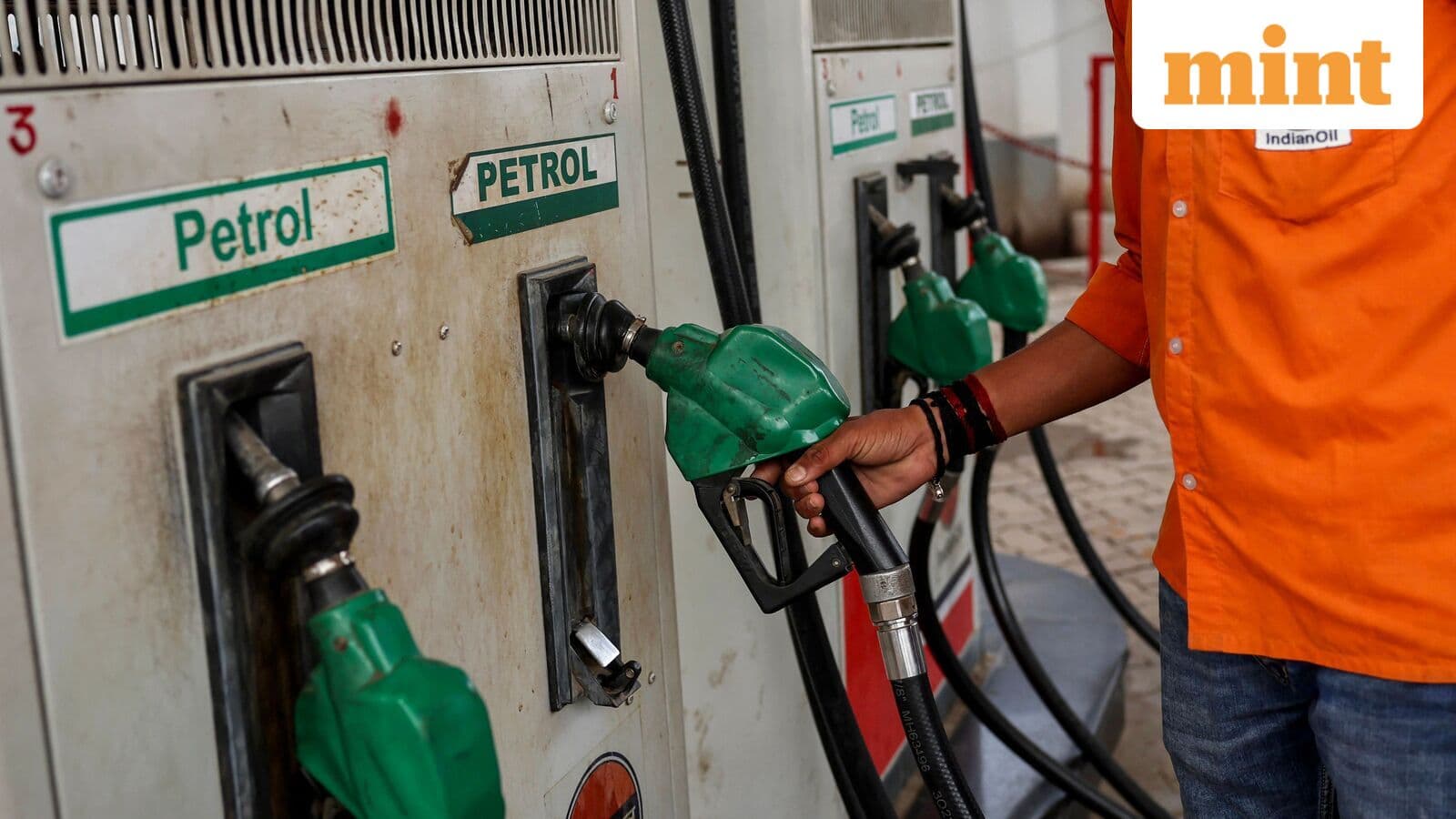
Image: Mint (Business)
Explore the latest petrol and diesel prices in India as global tensions rise. See how the Middle East conflict affects fuel costs nationwide.
GlipzoOn March 23, 2023, petrol and diesel prices remained stable across key Indian cities, defying expectations amidst ongoing disruptions in the global oil market due to the escalating conflict in the Middle East. As tensions rise, consumers are left wondering how these geopolitical events will impact their daily fuel expenses.
The turmoil began on February 28, when the United States and Israel conducted coordinated strikes against Iran. This prompted a retaliatory response from Tehran, resulting in a significant escalation of conflict in the region. As a result, the Strait of Hormuz, a vital route for global oil transportation, has faced disruptions, with Iran threatening to target vessels transiting through this crucial waterway.
Since the onset of hostilities, global oil prices have experienced a dramatic increase. For instance, the price of Brent Crude rose from approximately $70 per barrel in late February to $107.11 on March 23. This spike has raised concerns about potential price hikes for consumers, especially as the conflict shows no signs of abating.
Despite this volatility, state-run oil marketing companies (OMCs) in India have opted to maintain the prices of regular petrol and diesel, which are the most commonly purchased fuels. However, on March 20, they did increase the prices of industrial diesel and premium petrol:
This decision to keep regular fuel prices stable is particularly noteworthy given the pressures from international crude prices and currency fluctuations.
India's three major OMCs—Indian Oil Corporation (IOC), Bharat Petroleum Corporation Limited (BPCL), and Hindustan Petroleum Corporation Limited (HPCL)—review fuel prices daily at 6 AM. They aim to align prices with international crude rates and currency exchange trends. However, several factors contribute to the pricing structure of petrol and diesel in the country:
Here's a snapshot of the petrol and diesel prices in several prominent Indian cities on March 23:
(Note: For exact figures, please refer to local sources or OMC updates.)
The ongoing geopolitical tensions in the Middle East not only affect global oil prices but also have direct implications for the Indian economy. With rising fuel prices, the cost of living for average consumers is likely to increase, affecting everything from transportation to the price of goods and services.
Moreover, in the context of India's economic recovery post-pandemic, stable fuel prices are crucial for sustaining growth and consumer confidence. Policymakers and economic analysts will need to keep a watchful eye on the situation, as any further escalation in the Middle East could easily lead to a spike in fuel prices, impacting everyday life in India.
As the conflict in the Middle East continues, all eyes will be on the global oil market and the Indian government's response to rising fuel prices. Key questions remain: - Will the Indian government intervene to stabilize fuel prices amid rising international costs? - How will the rupee perform against the dollar in the coming weeks, and what impact will this have on import costs? - Will the conflict escalate further, leading to more significant disruptions in oil supply?
Consumers and businesses alike should stay informed about these developments, as they will play a crucial role in shaping the economic landscape in the near future. Fuel prices may remain steady for now, but the situation is fluid, and changes could come swiftly depending on geopolitical events.
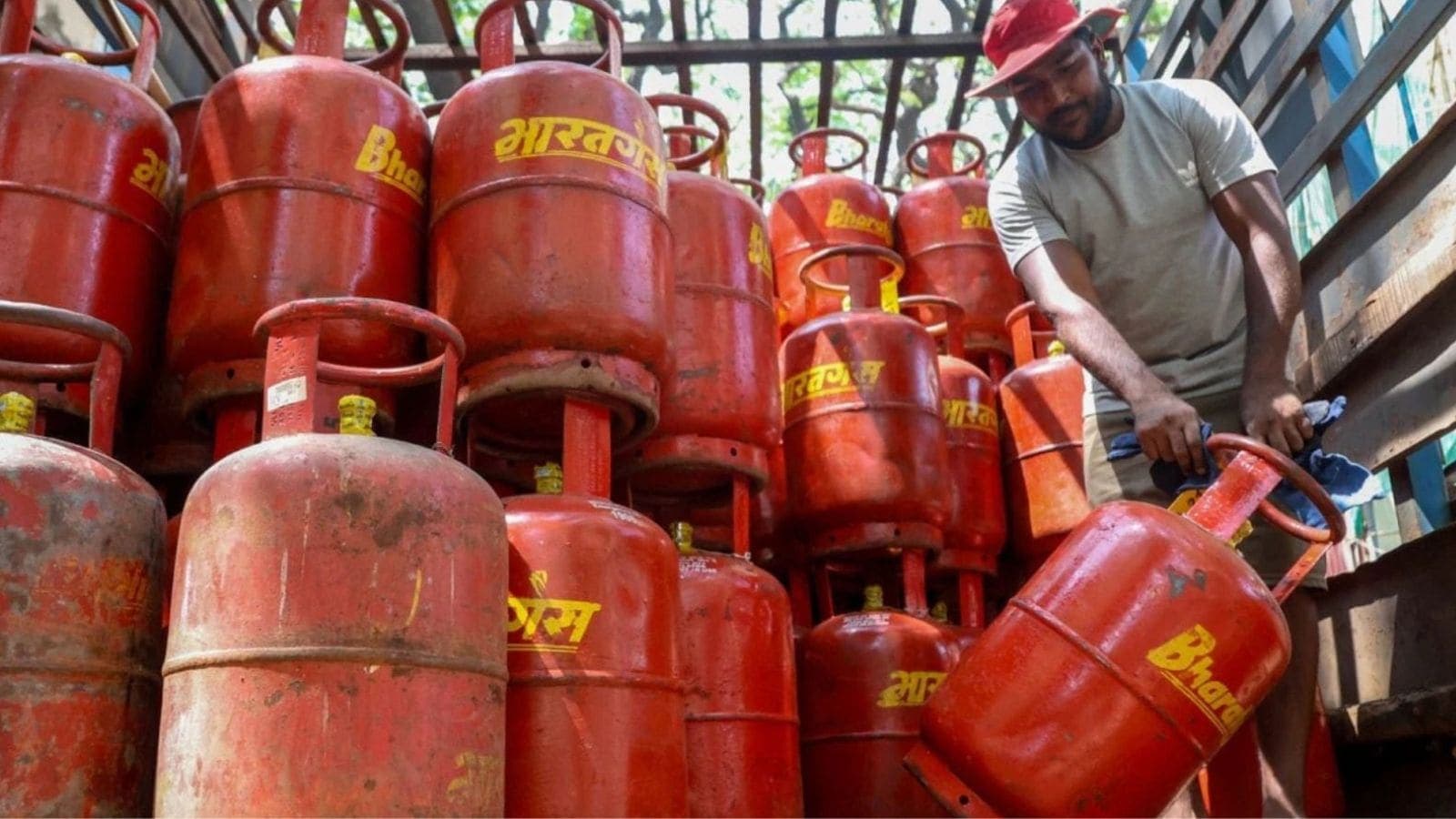
Commercial LPG prices have risen again, with increases of ₹42 in Delhi and ₹53.50 in Kolkata impacting businesses and consumers alike. Find out more.
Indian Express
Discover how a tragic coal mine explosion in Shanxi, China, reveals ongoing safety concerns in the industry amidst a push for green energy.
BBC Business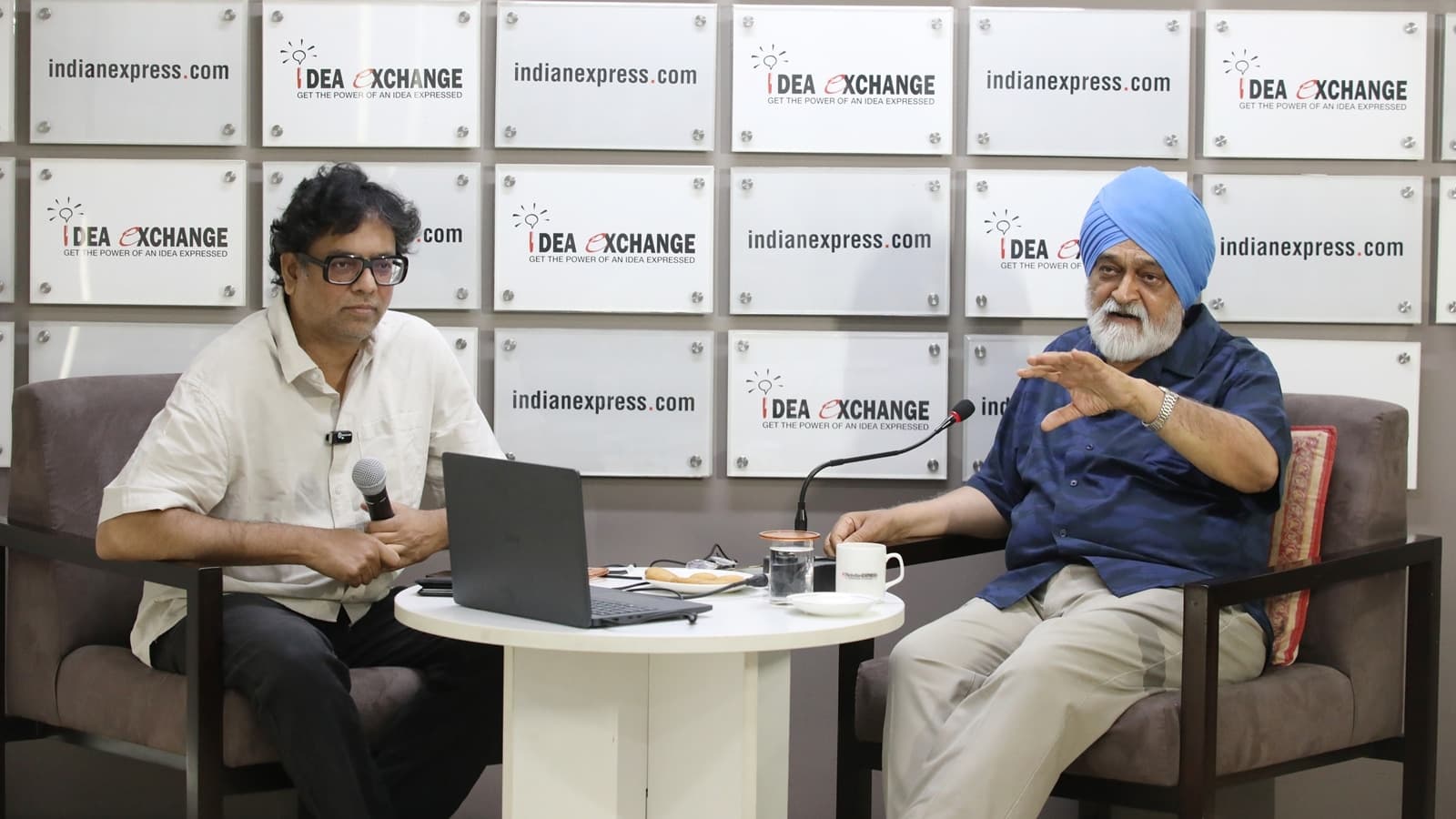
Montek Singh Ahluwalia highlights key economic challenges for India, emphasizing the need for a strategic approach to balance payments and investment.
Indian Express