
Image: Mint (Business)
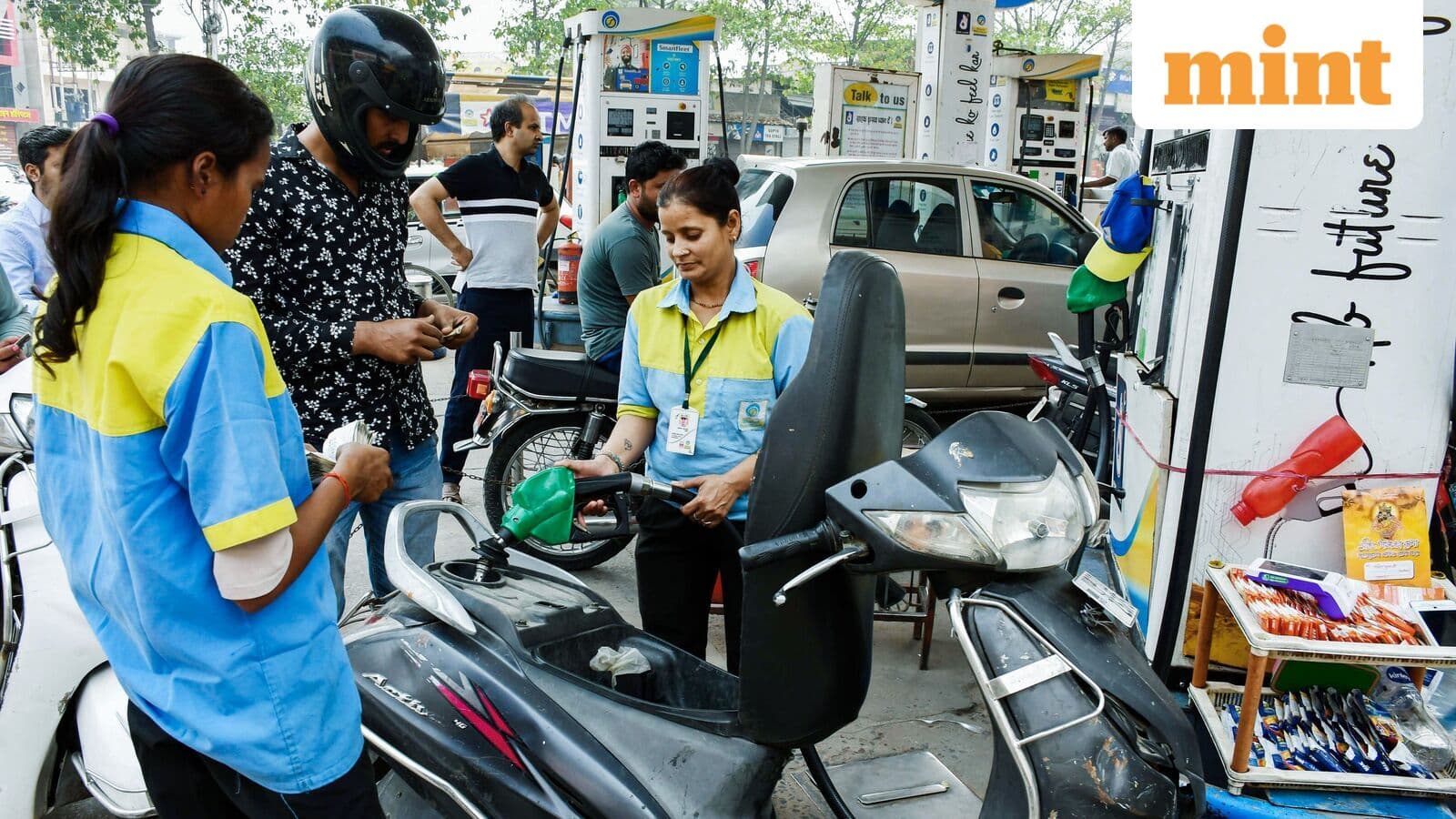
Fuel prices in India remain stable on March 21 amid rising global oil prices due to Middle East tensions. Discover how this affects consumers.
GlipzoAs of March 21, retail fuel prices across India have remained steady, despite ongoing fluctuations in global oil markets. This stability comes as the conflict involving the United States, Israel, and Iran continues to escalate, now entering its fourth week since it began on February 28. The geopolitical tensions have sent crude oil prices soaring above $100 a barrel this week, creating uncertainty in energy markets.
The implications of these tensions are significant. After a series of US-Israeli strikes on Iranian targets, Tehran retaliated with attacks on US military bases in the region. This cycle of aggression has led to a ripple effect on oil prices worldwide, although India has managed to keep retail petrol and diesel prices stable for now.
In recent weeks, state-run oil marketing companies (OMCs) in India have selectively adjusted prices for certain fuels. Industrial diesel has seen an increase of approximately ₹22 per litre, while premium petrol rates are up by about ₹2 per litre. However, the prices of regular petrol and diesel have remained unchanged, providing some relief to consumers amidst rising costs in other areas.
Additionally, there have been hikes in domestic cooking gas by around ₹60 and commercial LPG by approximately ₹115, further complicating the energy landscape for consumers.
The pricing of fuels in India is subject to a variety of influences, including: - Global crude oil prices - The rupee-dollar exchange rate - Taxes levied by both the central and state governments
Daily adjustments to fuel prices occur at 6 AM, allowing OMCs to align domestic rates with international market fluctuations. This mechanism is crucial for maintaining pricing equilibrium amid volatile global conditions.
Recent developments indicate that the United States may consider easing sanctions on Iranian oil, a move that could stabilize global oil supplies. On Friday, international oil prices fell by more than 2% as a result of this potential shift. US Treasury Secretary Scott Bessent hinted that Washington might lift restrictions on Iranian oil currently at sea to mitigate price increases.
This decision could have profound implications for oil prices, especially after Brent crude approached $119 per barrel earlier this week, marking significant volatility since the onset of the conflict.
As the situation in the Middle East develops, further shifts in oil supply and pricing are likely. The Indian government, along with OMCs, will need to navigate these challenges carefully to ensure that consumers are not unduly burdened by price hikes while maintaining a viable energy market.
In conclusion, while India currently enjoys some stability in fuel pricing amidst global chaos, the future remains uncertain. Ongoing international negotiations and conflict resolution efforts will play a critical role in shaping the energy landscape in the coming weeks.
Eshita Gain, a journalist with a focus on financial and business news, emphasizes the importance of clear communication in her reporting. With her background in digital marketing and journalism, she aims to provide timely insights into complex issues, helping readers navigate the evolving world of finance and energy.
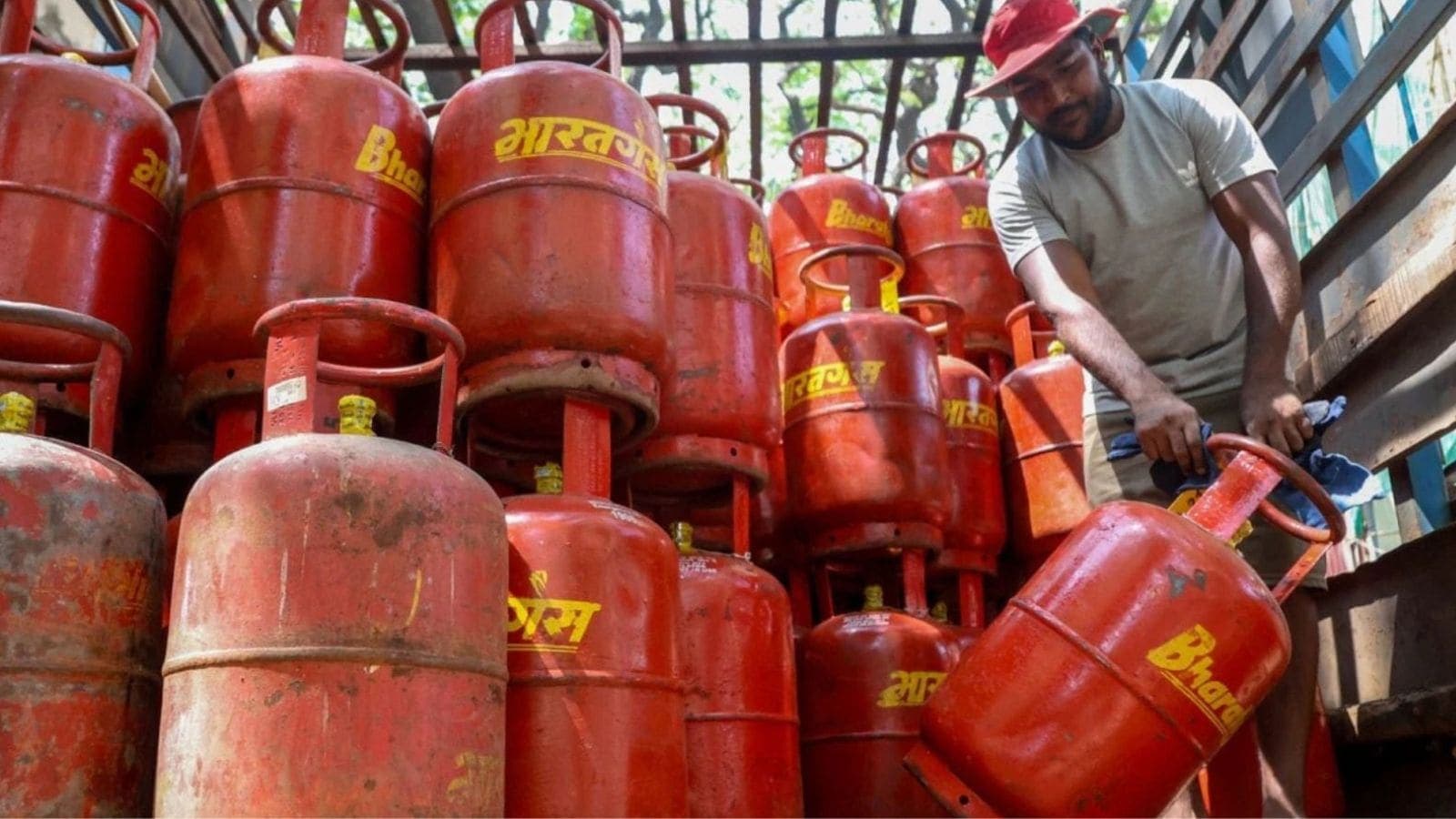
Commercial LPG prices have risen again, with increases of ₹42 in Delhi and ₹53.50 in Kolkata impacting businesses and consumers alike. Find out more.
Indian Express
Discover how a tragic coal mine explosion in Shanxi, China, reveals ongoing safety concerns in the industry amidst a push for green energy.
BBC Business
Montek Singh Ahluwalia highlights key economic challenges for India, emphasizing the need for a strategic approach to balance payments and investment.
Indian Express