

Image: Mint (Business)
Discover the latest petrol and diesel prices in India as of March 22. Understand the impact of global tensions on your fuel costs.
GlipzoOn March 22, 2023, the prices of petrol and diesel in India’s major cities showed little to no change, despite rising global oil prices caused by ongoing conflicts in the Middle East. This stability in fuel rates comes as a surprise, especially considering the volatility affecting the international oil market due to geopolitical tensions.
The conflict, which began on February 28, involves significant military actions between the United States and Israel against Iran. The situation has escalated tensions across the region, leading to retaliatory measures from Tehran, including missile and drone strikes targeting Gulf nations. The Strait of Hormuz, a vital passage for global oil shipments, has faced disruptions, with Iran threatening attacks on passing oil tankers.
This geopolitical instability has resulted in a substantial rise in oil prices worldwide. Brent Crude oil, for instance, surged from approximately $72 per barrel on February 27 to around $112 as of last Friday. Such fluctuations in oil prices typically exert pressure on domestic fuel rates. However, Indian consumers will notice that the prices of regular petrol and diesel at retail outlets remain unchanged.
Despite the spike in international oil prices, local state-run oil marketing companies (OMCs) have opted to maintain the prices of commonly sold petrol and diesel. This decision may reflect a strategy to cushion consumers against the impacts of rising fuel costs, which would otherwise strain household budgets.
While regular petrol and diesel prices have remained stable, there have been increases in other fuel categories. On March 17, the OMCs raised the price of industrial diesel—a fuel primarily used by businesses—by ₹21.92 per litre, marking a 25% increase. Additionally, the price of premium petrol was adjusted upwards by ₹2 per litre. These changes reflect the pressing need to adjust prices in response to rising operational costs.
The three major OMCs in India, namely the Indian Oil Corporation (IOC), Bharat Petroleum Corporation Limited (BPCL), and Hindustan Petroleum Corporation Limited (HPCL), conduct daily price revisions at 6 a.m. to align domestic rates with international crude oil prices and currency exchange fluctuations.
Several critical factors play a role in determining petrol and diesel prices in India: - Global Crude Oil Prices: The primary driver of fuel costs. - Rupee-Dollar Exchange Rate: A weaker rupee increases import costs for crude oil. - Taxes: The central and state governments impose significant taxes that contribute to the overall price of fuel. - Transport Costs: Variations in transport expenses can affect retail prices. - Demand-Supply Dynamics: Market demand and supply fluctuations can lead to price adjustments.
These elements combine to create a complex pricing structure that often leaves consumers feeling the pressure at the pump.
The stability of petrol and diesel prices amid global turmoil is crucial for Indian consumers, especially as many households rely on these fuels for daily commutes and transportation of goods. The decision by OMCs to hold prices steady may be seen as a relief, yet the long-term implications of global oil price volatility could lead to future adjustments that impact the economy.
The fluctuations in crude prices and the geopolitical landscape will continue to be monitored closely, as they directly affect not only fuel costs but also the broader economic landscape in India. With elections and other political factors also playing a role, consumers should stay informed about potential changes in fuel pricing in the upcoming weeks.
As the situation unfolds, several key points will be critical to watch: - Further Escalation of Middle East Conflict: An increase in tensions could lead to further price hikes in global oil markets. - Rupee Performance: The value of the Indian rupee against the dollar will significantly impact import costs and, subsequently, fuel prices. - Government Policy Changes: Any shifts in taxation or subsidies could alter the pricing structure of fuels in India. - Consumer Demand Trends: Changes in consumer behavior due to rising costs could impact fuel sales and pricing strategies by OMCs.
As the situation continues to evolve, staying informed will be essential for consumers and businesses alike. Understanding the underlying factors influencing fuel prices can help navigate potential challenges in the near future.
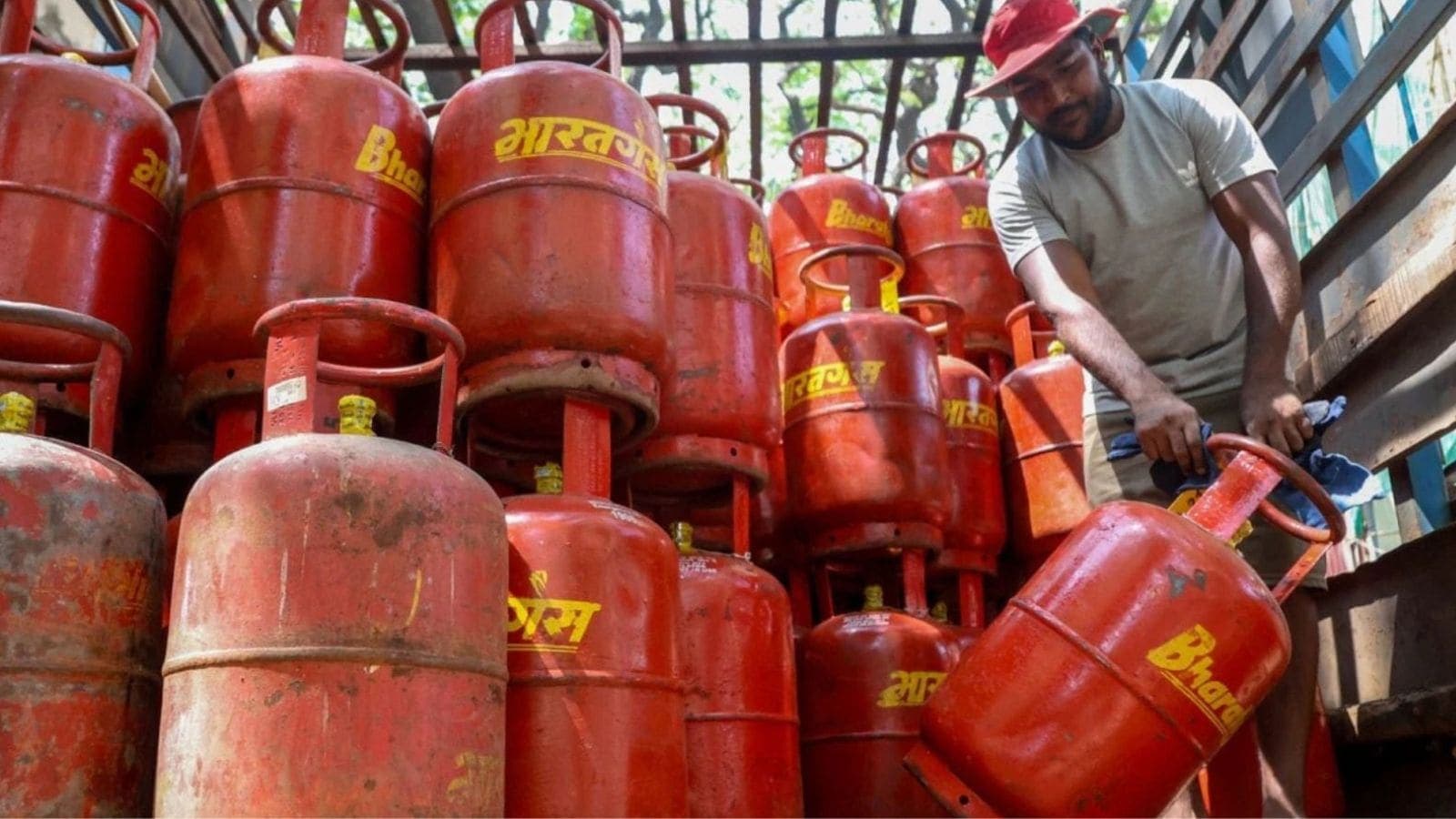
Commercial LPG prices have risen again, with increases of ₹42 in Delhi and ₹53.50 in Kolkata impacting businesses and consumers alike. Find out more.
Indian Express
Discover how a tragic coal mine explosion in Shanxi, China, reveals ongoing safety concerns in the industry amidst a push for green energy.
BBC Business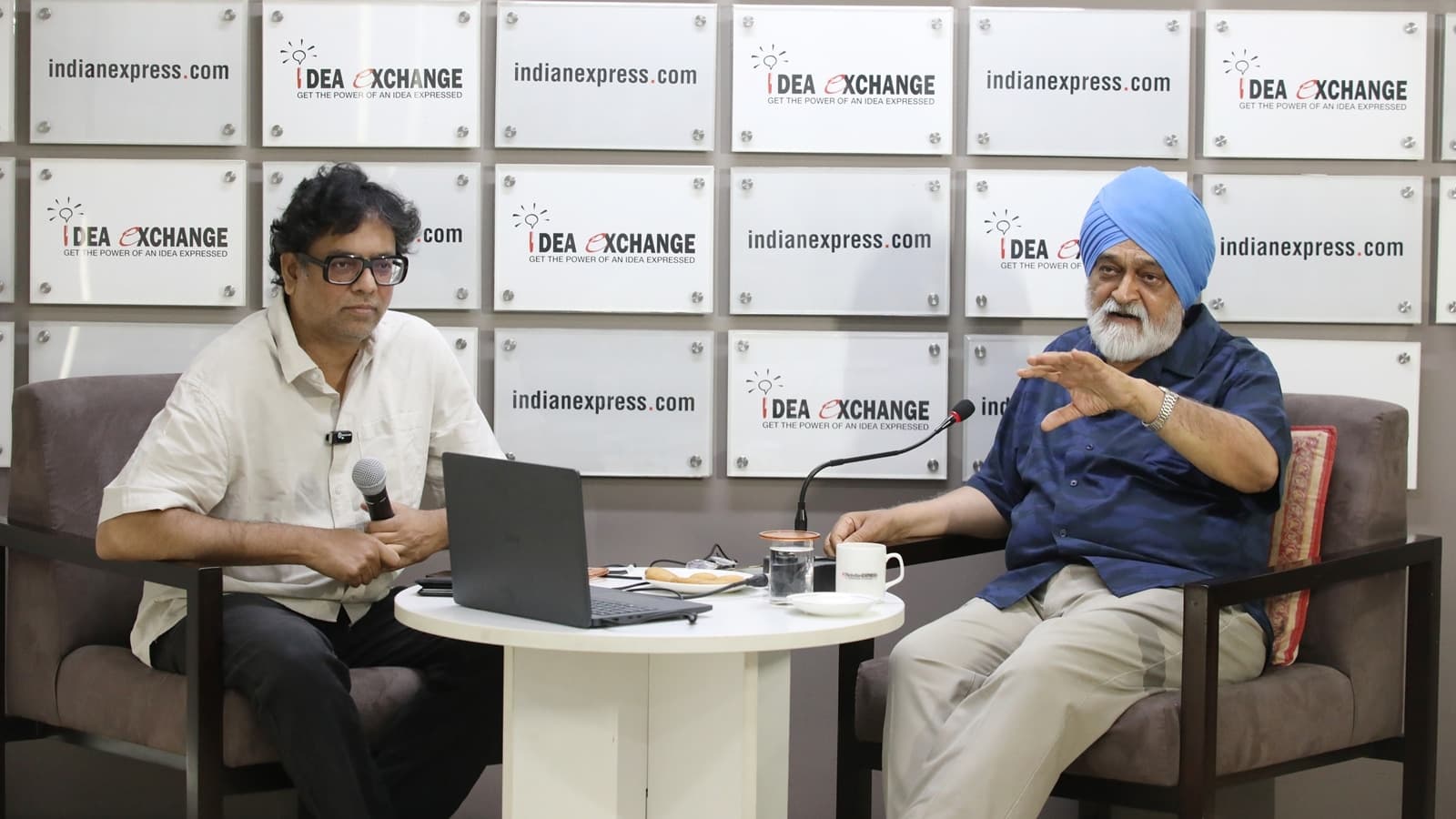
Montek Singh Ahluwalia highlights key economic challenges for India, emphasizing the need for a strategic approach to balance payments and investment.
Indian Express