
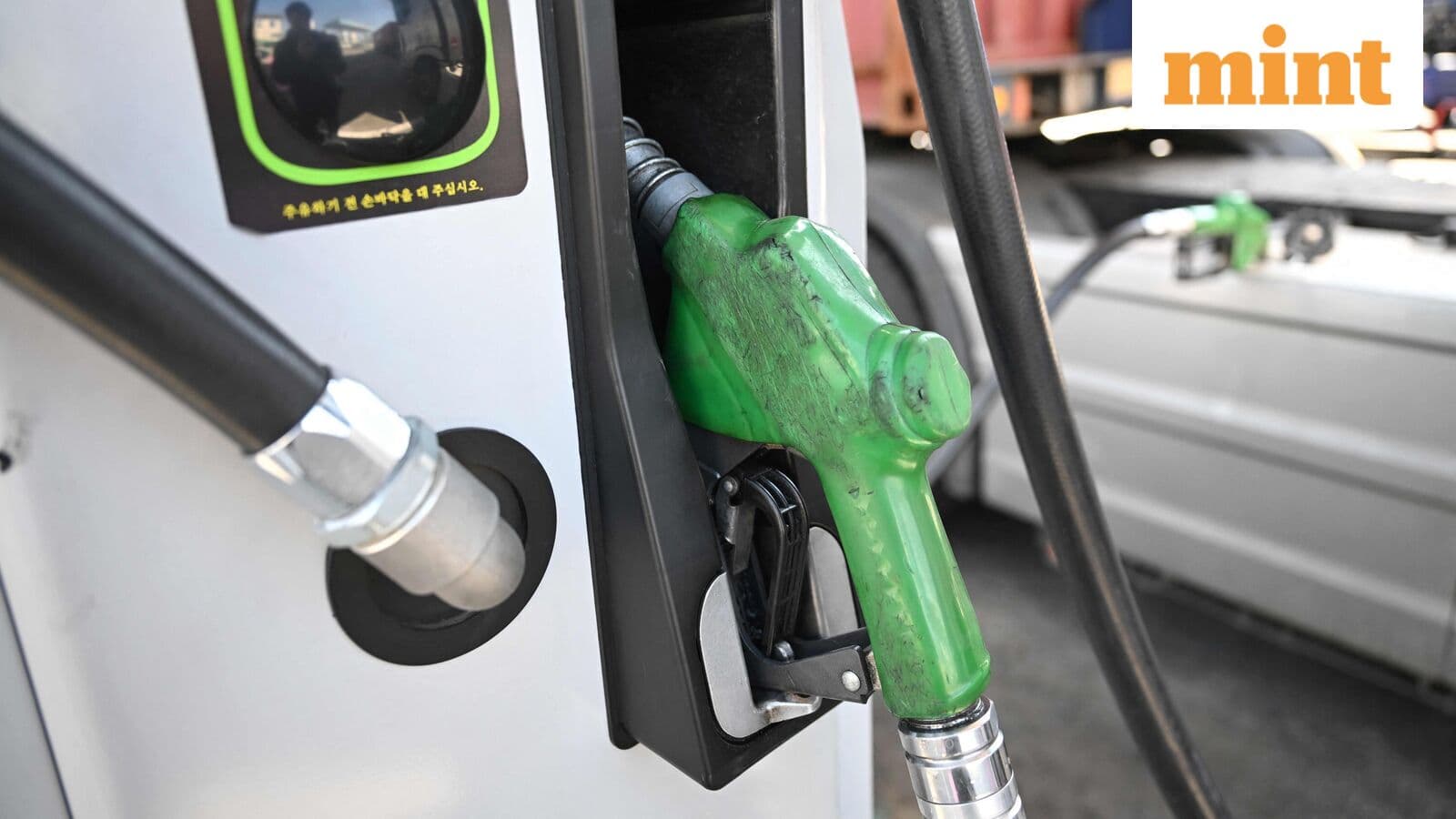
Image: Mint (Business)
Discover the latest petrol and diesel prices in India for March 20, amidst ongoing global tensions affecting oil markets. What’s next for consumers?
GlipzoAs of March 20, petrol and diesel prices across major Indian cities are holding steady, reflecting a recent trend of stability even as global oil markets experience significant fluctuations. This consistency comes in the wake of escalating geopolitical tensions in the Middle East, primarily involving the United States, Israel, and Iran.
The conflict, which began on February 28, has seen a series of tactical strikes and retaliatory actions, causing market jitters. The situation remains fluid, with no resolution in sight as the conflict enters its third week. Notably, Brent crude oil prices have surged, reaching close to $108 per barrel this week, alongside disruptions in oil shipments through the crucial Strait of Hormuz, a vital artery for global oil transportation.
Despite the turmoil in international markets, retail fuel prices in India have remained unchanged. Here are the current petrol and diesel prices in major cities: - Delhi: Petrol - ₹XX, Diesel - ₹YY - Mumbai: Petrol - ₹XX, Diesel - ₹YY - Bengaluru: Petrol - ₹XX, Diesel - ₹YY - Chennai: Petrol - ₹XX, Diesel - ₹YY - Kolkata: Petrol - ₹XX, Diesel - ₹YY
The three primary Oil Marketing Companies (OMCs) in India—Indian Oil Corporation (IOC), Bharat Petroleum Corporation Limited (BPCL), and Hindustan Petroleum Corporation Limited (HPCL)—are responsible for setting these rates. Each day at 6 AM, OMCs adjust fuel prices in response to international crude oil prices and currency exchange rates.
Several elements determine the retail price of fuel in India: - Crude Oil Prices: The cost of crude oil in international markets significantly affects local fuel rates. - Exchange Rates: Fluctuations in the rupee-dollar exchange rate can influence pricing. - Government Taxes: Both central and state taxes play a critical role in the final cost of petrol and diesel.
While rising global crude oil prices typically lead to increased fuel costs worldwide, India has managed to maintain stable prices. This is largely due to a strategic approach by OMCs and the government to act as a 'shock absorber', mitigating the immediate impact of global price hikes on consumers.
Interestingly, while Indian fuel prices have remained stable, the United States has seen a notable increase in petrol costs. In February, the average price for a gallon of regular petrol was $2.94, which has now risen to about $3.50, marking a 20% increase according to the American Automobile Association (AAA) Fuel Prices.
This stark contrast highlights the varying dynamics of oil pricing across different countries, showcasing India's unique market approach. According to reports, OMCs often absorb spikes in crude prices rather than directly passing them on to consumers, a practice aimed at protecting Indian consumers from volatile market conditions.
The stability of fuel prices in India, despite global uncertainties, is significant for several reasons: - Consumer Protection: It provides a buffer for consumers against sudden price increases. - Economic Stability: Consistent fuel prices can help maintain overall economic stability, particularly for sectors heavily reliant on transportation. - Policy Implications: The government's ability to manage retail prices reflects its overall economic strategy and fiscal health.
As the geopolitical situation in the Middle East continues to evolve, the implications for global oil prices and, consequently, local fuel rates cannot be overstated. The ongoing conflict could lead to further disruptions, potentially impacting the stability that consumers have enjoyed in recent weeks.
As we move forward, several factors will be critical to watch: - Geopolitical Developments: Any changes in the conflict involving the U.S., Israel, and Iran could lead to fluctuations in crude prices. - Domestic Policy Changes: Government interventions or changes in taxation on fuel could influence retail prices. - International Market Trends: Global oil price trends will continue to play a crucial role in domestic pricing strategies.
In conclusion, while Indian consumers currently benefit from stable fuel prices, the volatile global landscape necessitates vigilance. Keeping an eye on international developments will be essential for understanding future price movements and their impact on daily life in India.
Stay tuned for updates as the situation develops and fuel prices are adjusted accordingly.
Commercial LPG prices have risen again, with increases of ₹42 in Delhi and ₹53.50 in Kolkata impacting businesses and consumers alike. Find out more.
Indian Express
Discover how a tragic coal mine explosion in Shanxi, China, reveals ongoing safety concerns in the industry amidst a push for green energy.
BBC Business
Montek Singh Ahluwalia highlights key economic challenges for India, emphasizing the need for a strategic approach to balance payments and investment.
Indian Express