
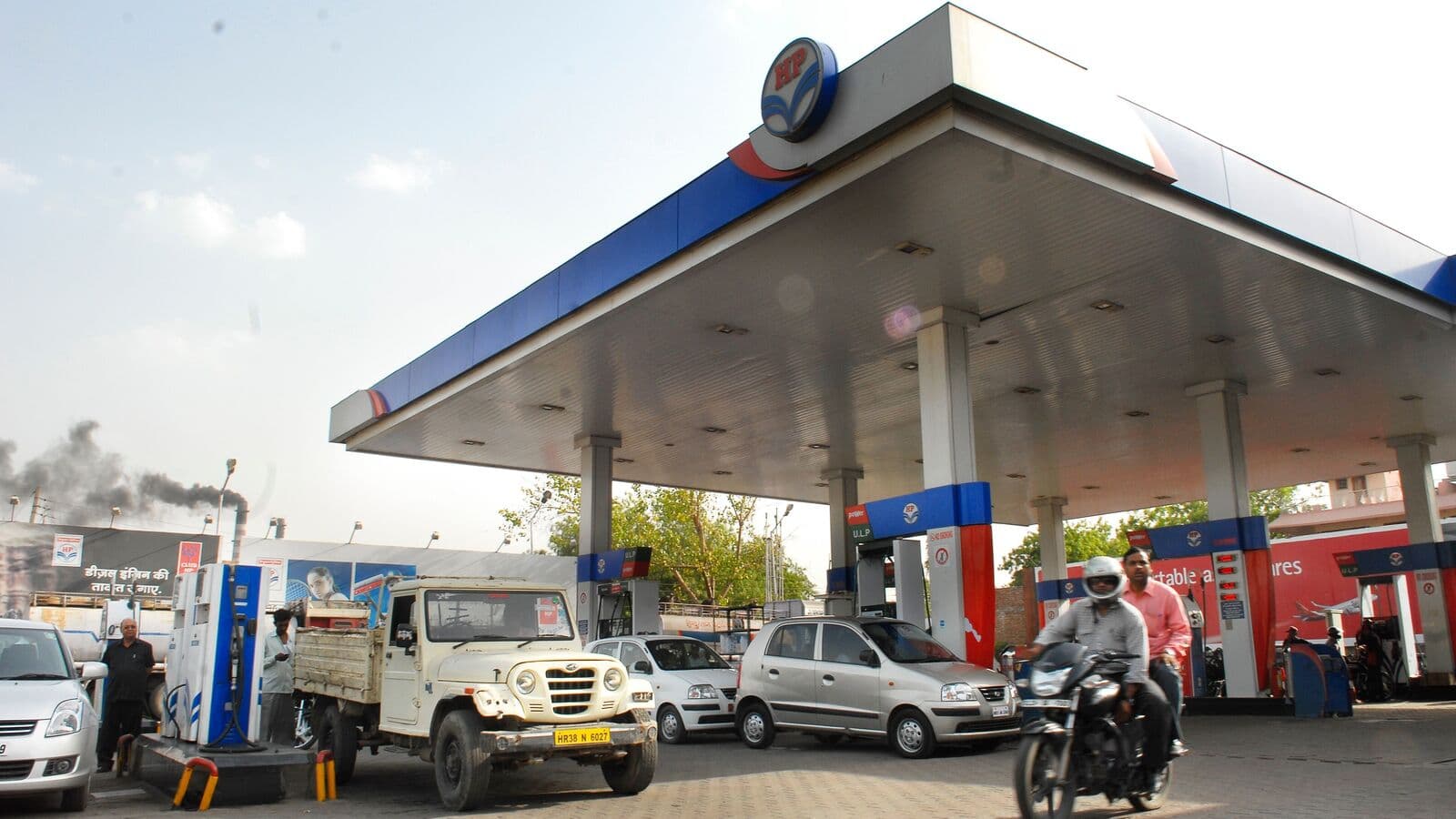
Image: Mint (Business)
Major hike in premium petrol prices in India: ₹2.35 increase amid global fuel crisis. What does this mean for consumers? Find out more.
GlipzoDespite this adjustment in premium petrol pricing, the costs for regular fuel have remained unchanged, providing a slight reprieve for those who primarily rely on conventional petrol. The price adjustments reflect the volatile nature of global oil markets, which have been influenced by geopolitical tensions, supply chain disruptions, and fluctuating demand.
This price hike not only affects consumers at the pump but also has broader implications for the economy. Rising fuel costs often lead to increased transportation expenses, which can subsequently inflate prices of goods and services across the board. Consumers may soon feel the pinch in their wallets as the costs of commuting and goods rise in tandem with fuel prices.
The Indian government has sought to stabilize the economy by keeping the prices of normal fuel steady. However, the decision to raise premium fuel prices reflects the pressures that OMCs are under to maintain their profit margins amid increasing costs from suppliers.
As the situation develops, consumers will need to stay informed about future price adjustments, which could further impact their daily lives.
In conclusion, the recent price hike in premium petrol reflects a complex interplay of global and local factors. Consumers are advised to stay vigilant and informed as the situation evolves, ensuring they can adapt to the changing landscape of fuel prices. This crisis underscores the importance of understanding economic interdependencies and the impact of international relations on everyday life.
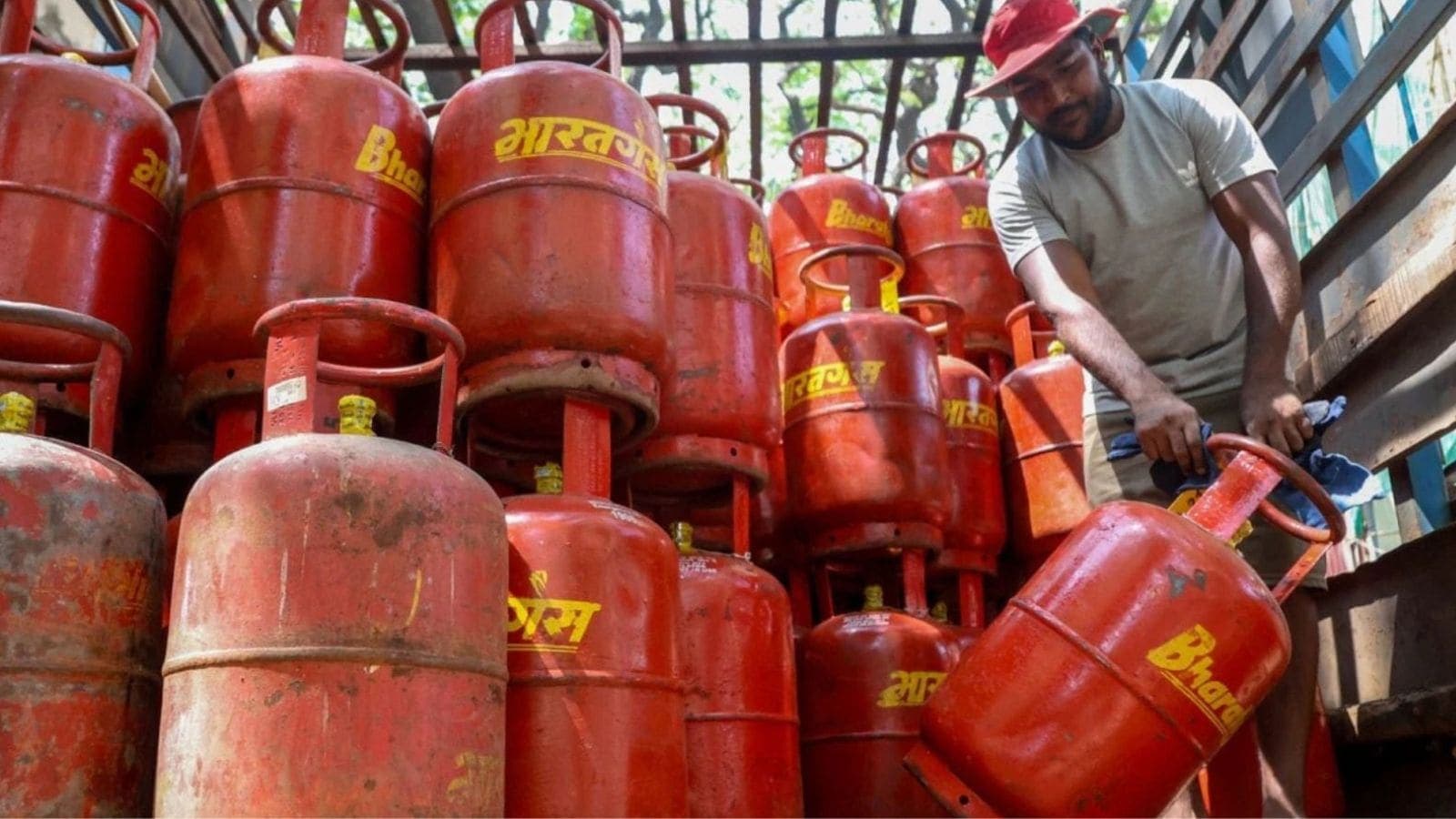
Commercial LPG prices have risen again, with increases of ₹42 in Delhi and ₹53.50 in Kolkata impacting businesses and consumers alike. Find out more.
Indian Express
Discover how a tragic coal mine explosion in Shanxi, China, reveals ongoing safety concerns in the industry amidst a push for green energy.
BBC Business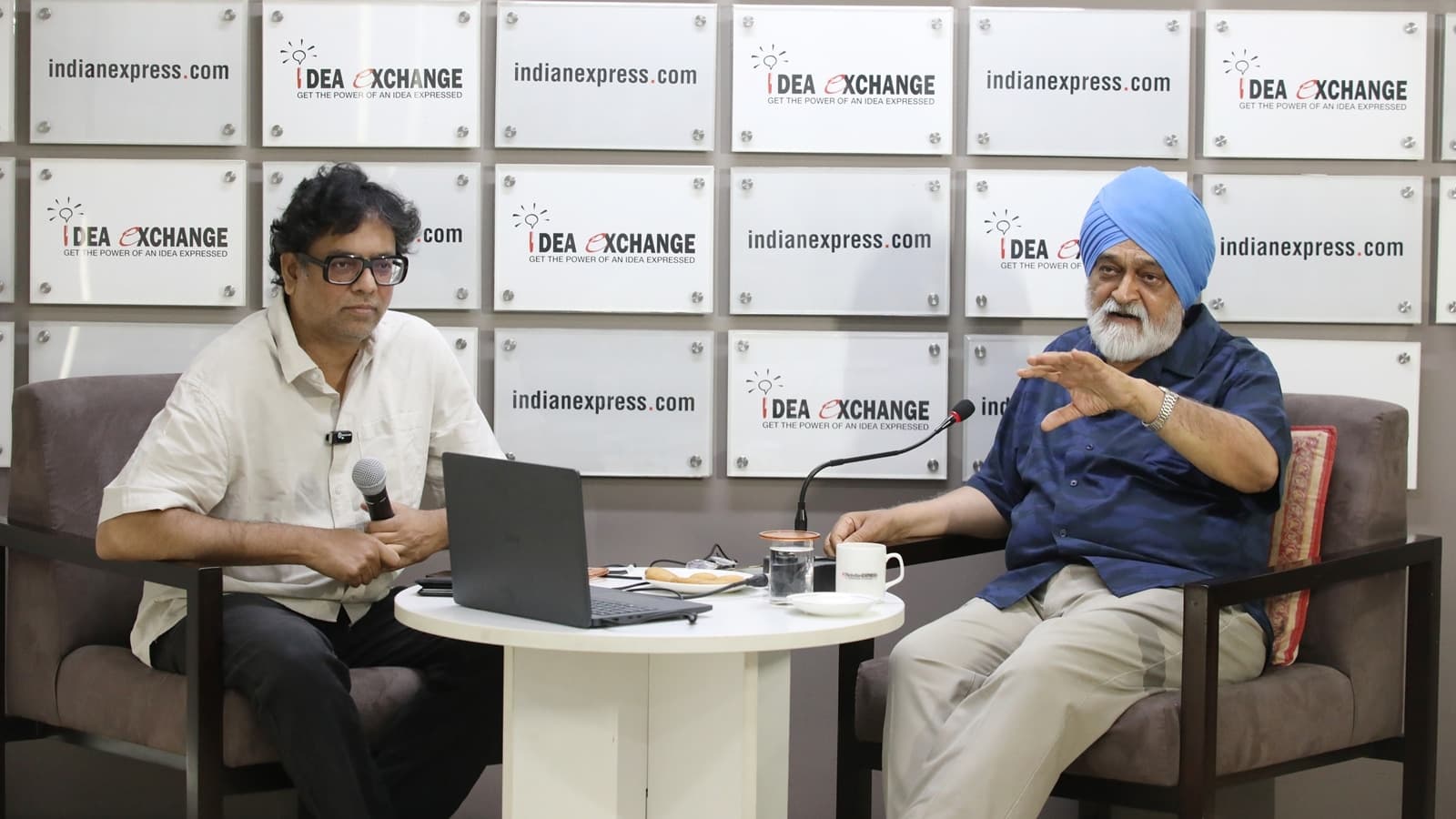
Montek Singh Ahluwalia highlights key economic challenges for India, emphasizing the need for a strategic approach to balance payments and investment.
Indian Express