
Image: BBC Business
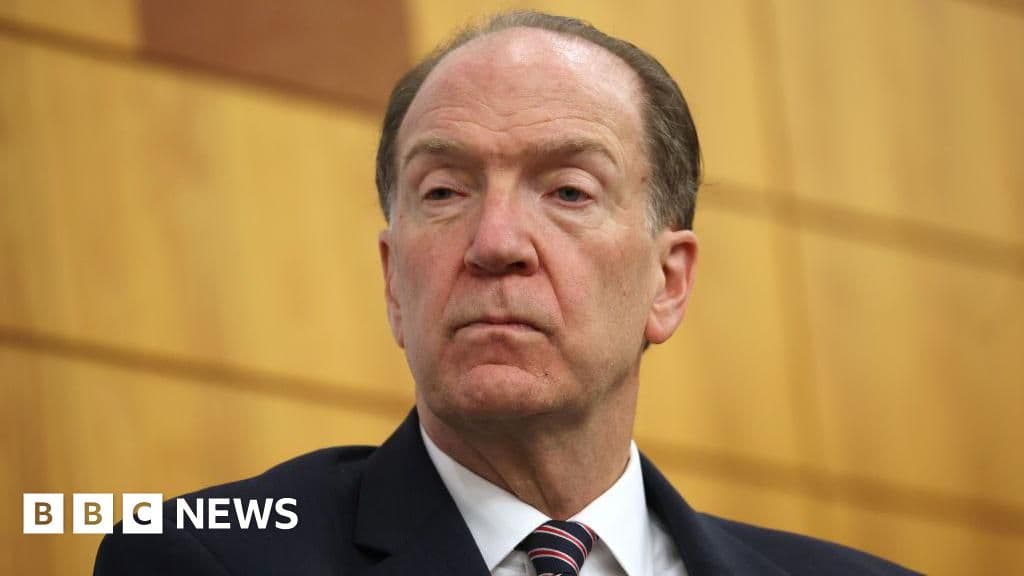
Former World Bank President David Malpass urges China to halt food and fertilizer hoarding to alleviate global supply crises amid rising tensions in Iran.
GlipzoIn a recent interview with the BBC, David Malpass, the former president of the World Bank, voiced urgent concerns regarding China's hoarding of food and fertilizer. His remarks come at a pivotal moment as nations grapple with a global supply crisis exacerbated by the ongoing conflict in Iran. Malpass, who served as the World Bank leader from 2019 to 2023, emphasized that China possesses the world’s largest reserves of these essential commodities and should take immediate action to alleviate the strain on global markets.
Malpass's comments were aired on the eve of a crucial summit between Donald Trump and Xi Jinping in Beijing, highlighting the geopolitical tensions that surround these discussions. "They have the biggest world stockpile of foodstuffs and of fertilizer. They can stop building their stockpiles," Malpass stated, calling for a shift in how China manages its resources.
The urgency of Malpass’s message cannot be overstated, as countries worldwide are racing against time to secure fertilizer supplies ahead of the spring planting season. The situation has been further complicated by the closure of the Strait of Hormuz, a vital shipping route that has seen significant disruptions in recent months. This blockade threatens not only food production but also the stability of global food prices.
In response to these pressures, China has implemented a ban on fertilizer exports since March, asserting that it needs to prioritize domestic needs. This move has drawn criticism, particularly considering China's substantial stockpiles that could otherwise support global markets in crisis.
During the interview, Malpass also addressed China's classification as a developing nation, which many experts now find increasingly dubious. "They present themselves as a developing country when they're the second biggest economy in the world and in many ways rich," he remarked, questioning the legitimacy of Beijing's status within global economic organizations like the World Trade Organization (WTO) and the World Bank.
Malpass called for China to reconsider its stance, suggesting that its substantial economic power should warrant a new approach to global responsibilities. "They could suspend that pretense of being a developing country," he added, advocating for a more equitable distribution of resources.
Malpass's insights also touched upon the broader implications of the Iranian conflict. He echoed Trump’s sentiments regarding the Iran ceasefire, which was described as being on "massive life support." Malpass urged nations to unite behind the U.S. in pushing for a resolution, emphasizing the dangers posed by a rogue state possessing plutonium and the importance of maintaining open shipping lanes.
"You can't have a rogue state with plutonium, and you can't block the Strait of Hormuz," he asserted, underlining the necessity for a collective international response to ensure maritime security.
Despite his critical stance, Malpass expressed a degree of optimism regarding China’s potential role in resolving these issues. He pointed out that China stands to lose significantly if Iran were to gain control over vital maritime routes, as the country profits immensely from global trade.
"China benefits from open waterways worldwide. They run the shipping lines, own the containers, and make huge profit from trade with the rest of the world," he explained. This interdependency suggests that China may have a vested interest in contributing to the stability of the region.
Looking closer to home, Malpass shared his perspective on the economic outlook for the United States, particularly in light of impending inflation data set to be released soon. He indicated that while prices are likely to rise, the strength of the job market reflects resilience within the U.S. economy.
"I expect some up, yes, prices will go up on many products," he noted, signaling a cautious but realistic approach to future economic trends. Nonetheless, the robust job data suggests that the economy can weather these stormy times.
As the global community watches the developments surrounding China's agricultural policies and the Iranian crisis, it remains crucial to consider the implications of these actions on global food security and economic health. The conversation initiated by Malpass is likely to resonate in future discussions among world leaders, particularly as the Trump-Xi summit unfolds.
Going forward, observers should keep an eye on: - The potential shift in China’s export policies regarding food and fertilizer. - Developments in the Iranian conflict and their impact on global shipping routes. - The response from the international community regarding China’s economic classification. - U.S. inflation trends and their effects on consumer prices and employment.
In this complex landscape, the interplay between geopolitical tensions and economic realities will be critical in shaping the future of global trade and food security.
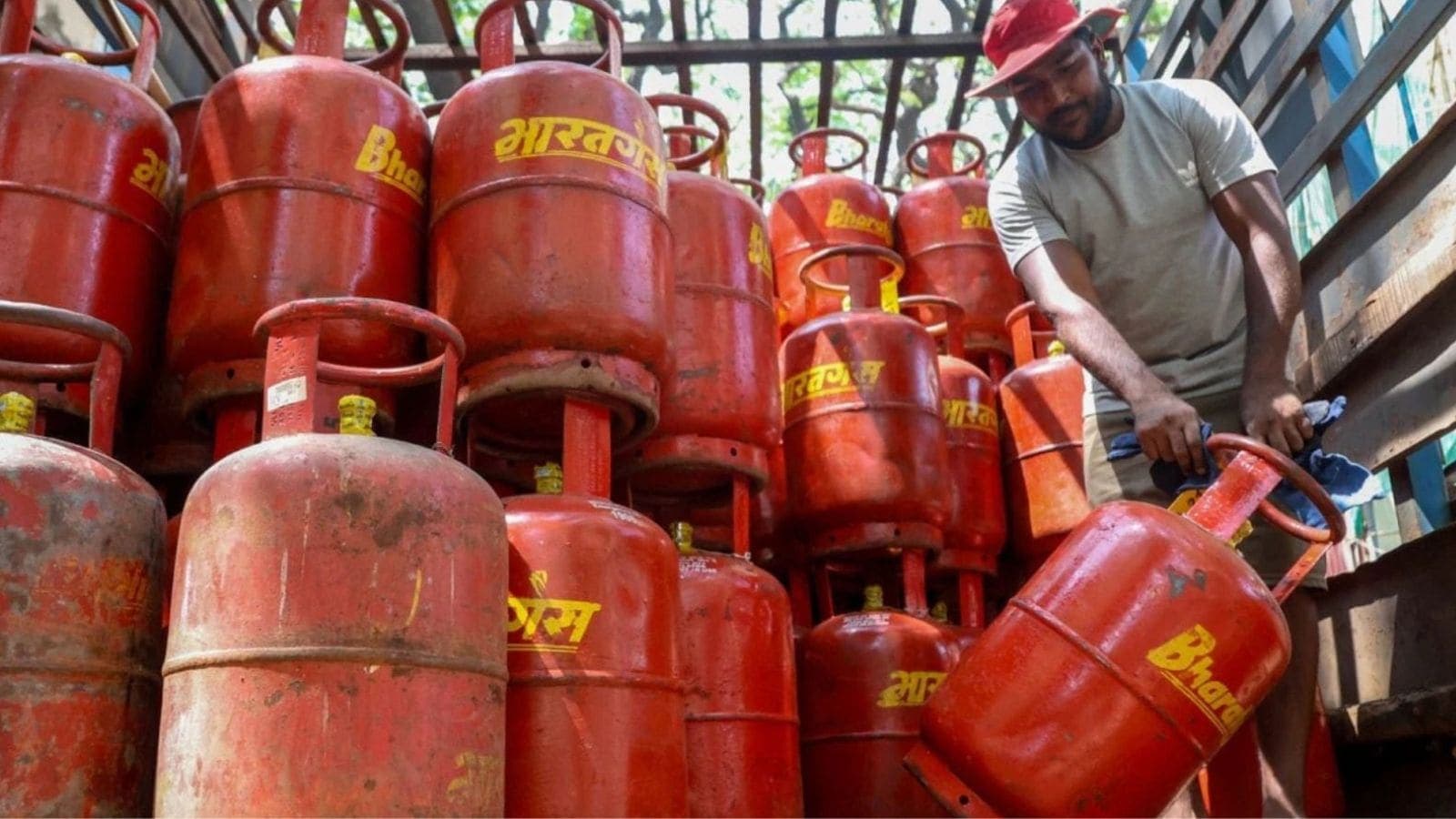
Commercial LPG prices have risen again, with increases of ₹42 in Delhi and ₹53.50 in Kolkata impacting businesses and consumers alike. Find out more.
Indian Express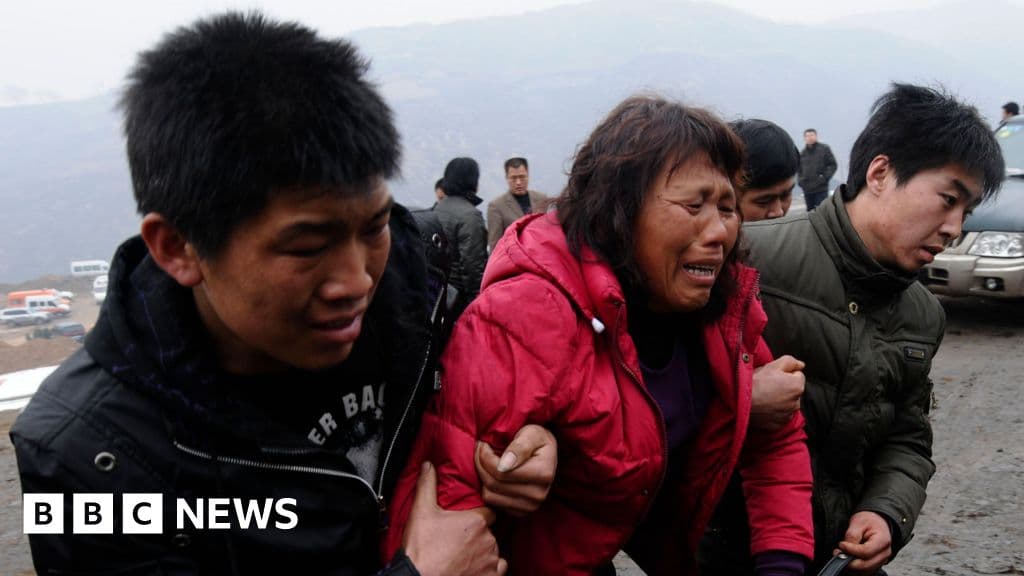
Discover how a tragic coal mine explosion in Shanxi, China, reveals ongoing safety concerns in the industry amidst a push for green energy.
BBC Business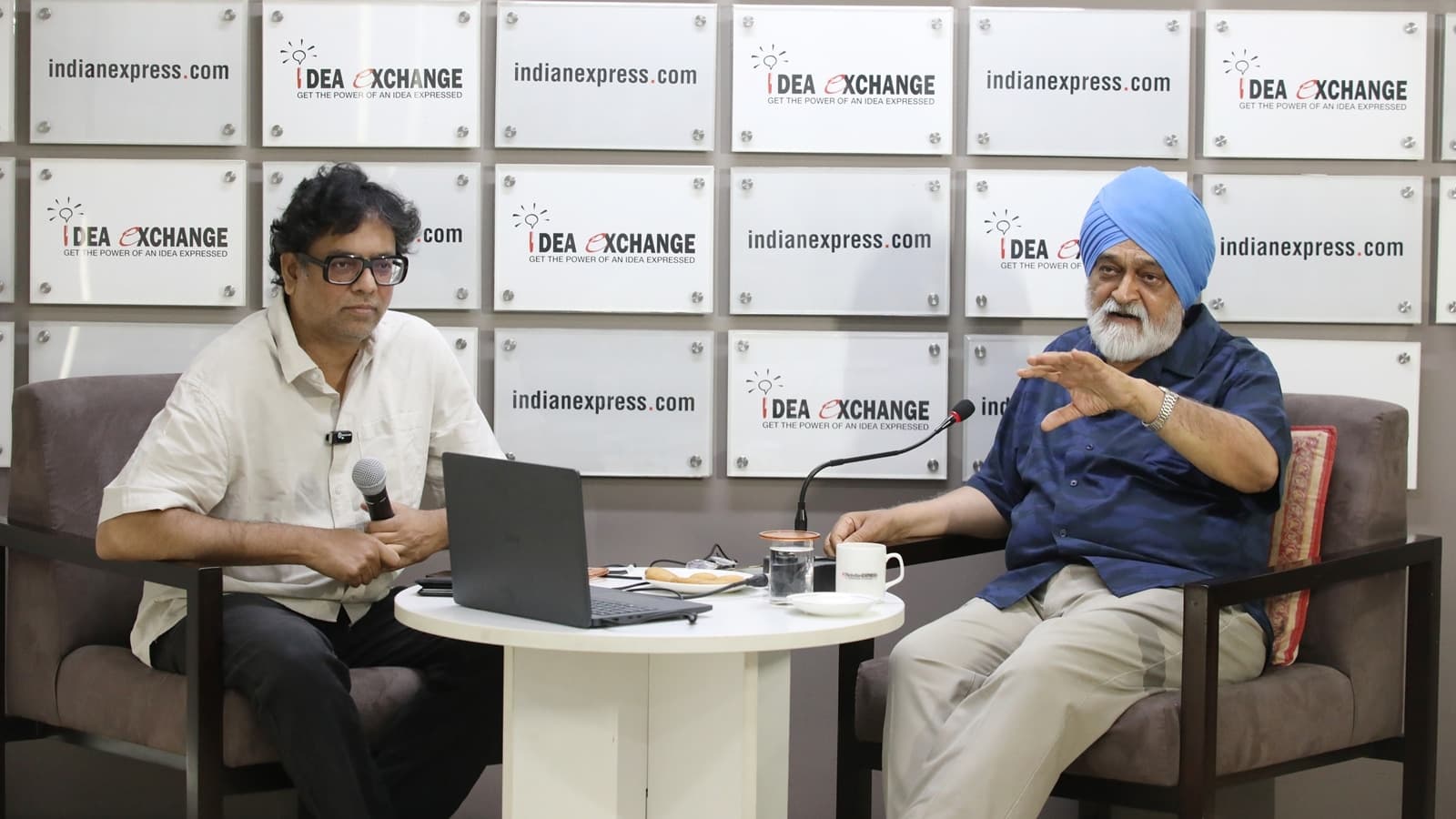
Montek Singh Ahluwalia highlights key economic challenges for India, emphasizing the need for a strategic approach to balance payments and investment.
Indian Express