

Image: The Guardian World
Five arrested in Cuba after a protest escalated into vandalism at a Communist Party office. What led to this rare act of dissent? Find out more.
GlipzoIn a significant escalation of civil dissent, five individuals were arrested in Cuba following a protest that erupted at a local Communist Party office in Moron, situated approximately 300 miles east of Havana. The demonstration, which began peacefully, quickly devolved into chaos as protesters vandalized property and set fire to computers and furniture.
The incident occurred at a provincial Communist Party office and also affected nearby businesses, including a pharmacy. Footage circulating on social media captures the turmoil, showing demonstrators ransacking the office and igniting flames in the streets. According to the state-run publication Invasor, what started as a peaceful exchange with local authorities escalated into a scene of vandalism and unrest.
Protests in Cuba are notably rare, largely due to the government's strict control over public dissent. However, the current economic situation has sparked outrage among citizens. The U.S. oil blockade, coupled with other pressures from the Trump administration aimed at promoting regime change, has left the Cuban economy in dire straits.
Cuban residents are grappling with severe shortages of essential goods such as food and medicine, which has fueled public frustration. In response to these hardships, many have taken to the streets at night, banging pots and pans as a form of protest. This form of dissent has started in Havana but is now spreading to other regions of the country, reflecting a growing sentiment of discontent among Cubans.
Amid these unrests, President Miguel Díaz-Canel has acknowledged the gravity of the situation, revealing that he has been in discussions with U.S. officials regarding the oil crisis. In a recent statement, he confirmed that no oil shipments have reached Cuba in the last three months, attributing this shortage directly to the U.S. blockade.
Díaz-Canel explained that the country's energy needs are currently being met through a combination of natural gas, solar energy, and thermoelectric plants, but these alternatives are insufficient to address the widespread power outages affecting citizens for up to 15 hours a day.
The situation in Cuba has been exacerbated by a long-standing U.S. trade embargo that has been in place for over six decades. This blockade has contributed significantly to the impoverishment of the island and has severely hampered its economic growth. The Trump administration has intensified these pressures, claiming that Cuba poses an “extraordinary threat” to U.S. national security, thereby justifying the sanctions.
The recent comments from Trump about Cuba becoming a priority after his administration's focus on Venezuela highlight the geopolitical stakes involved. With Venezuela's oil supply cut off, the already struggling Cuban economy is driven closer to the brink of collapse, making the situation increasingly critical.
As Cuba faces mounting challenges, the recent protests signal a potential turning point in civil engagement on the island. The five arrests may not deter further dissent; rather, they could galvanize more citizens to voice their frustrations. The increasing frequency of protests, both small and large, suggests that public sentiment is shifting, and people are becoming less afraid to express their grievances.
Moving forward, observers will be keen to monitor how the Cuban government responds to this unrest and whether it will implement reforms to address the economic crisis. Furthermore, the international community's reaction to these protests, coupled with any changes in U.S. policy under the Biden administration, will be crucial in shaping Cuba's immediate future.
In summary, the situation in Cuba remains fluid. The potential for further protests looms large as citizens continue to struggle under the weight of economic hardship and governmental repression. As voices grow bolder, the world watches closely to see how this historic moment unfolds in the heart of the Caribbean.
The recent unrest in Cuba is not just a reflection of local grievances; it signals a broader struggle against authoritarianism and economic hardship. As the Cuban people seek change, their actions could inspire similar movements in other authoritarian regimes worldwide. Understanding this context is vital as it may reshape the narrative around Cuba's future and its relationship with the United States.
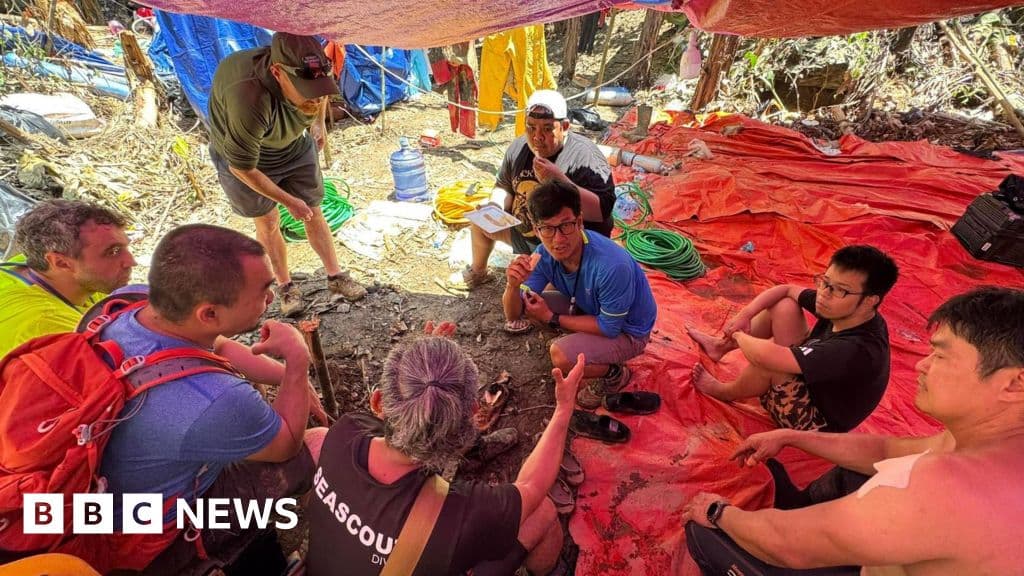
Survivors of the Laos cave rescue are aiding efforts to find the last two missing men trapped inside, sharing crucial insights for the search operation.
BBC World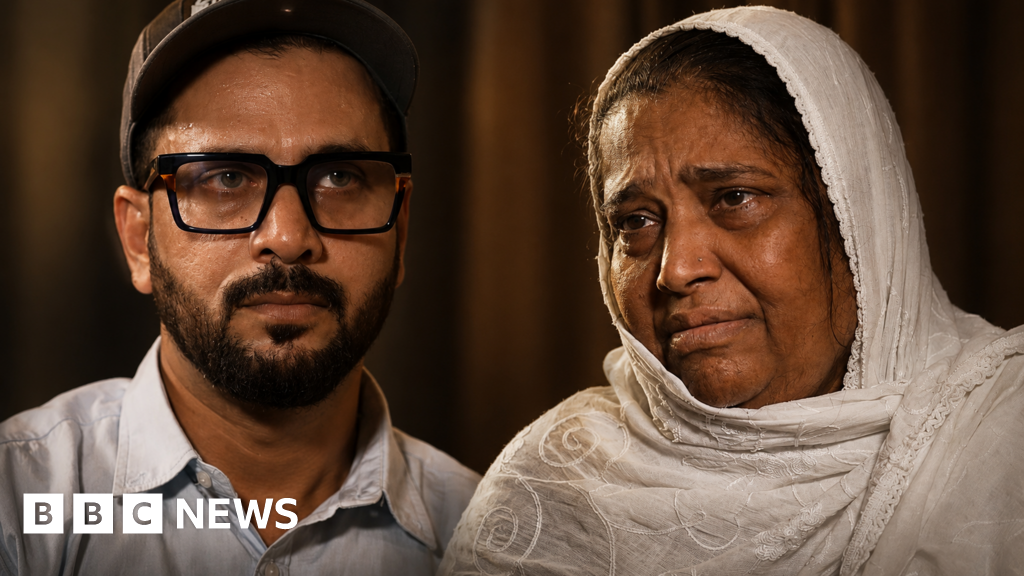
A year after the tragic Air India crash, the Ali family reflects on grief, unanswered questions, and the enduring bonds of love in the face of loss.
BBC Business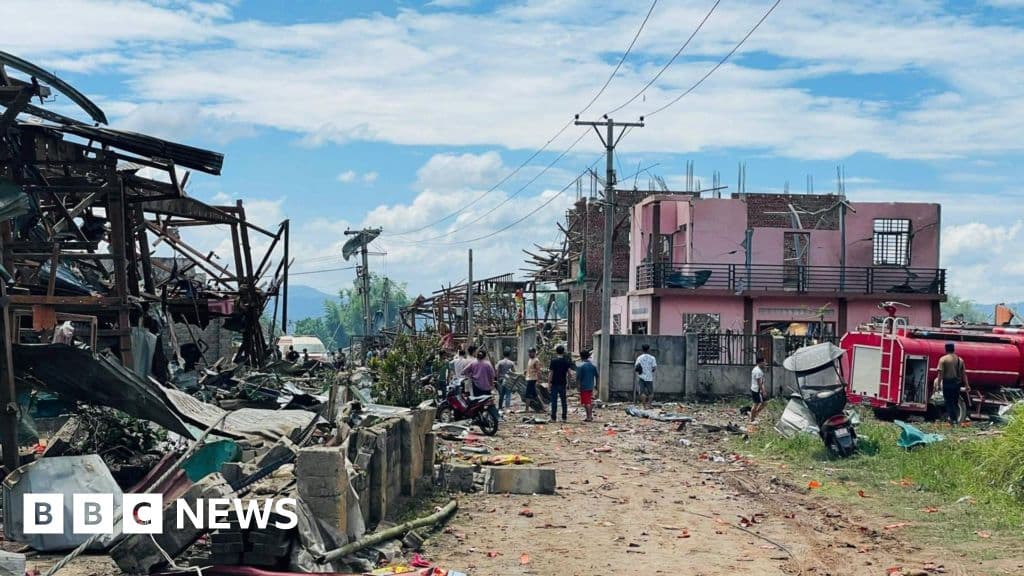
A devastating explosion in Myanmar's Kaung Tat village has killed at least 55 people, raising serious safety concerns and questions about civilian protection in conflict zones.
BBC World