

Image: TechCrunch
The NHTSA is intensifying its investigation into Tesla's Full Self-Driving software after serious safety concerns emerge. What does this mean for the future of autonomous driving?
GlipzoIn a significant move, the National Highway Traffic Safety Administration (NHTSA) is deepening its investigation into Tesla's Full Self-Driving (Supervised) software, focusing particularly on its performance under low-visibility conditions. This escalation, announced on Thursday, marks a pivot from an initial inquiry launched in October 2024 to an advanced stage known as an "engineering analysis." This level of scrutiny is not only the highest the agency can apply but also a precursor to potential recalls, raising alarms in the automotive industry.
The NHTSA's Office of Defects Investigation (ODI) is currently conducting two separate probes related to Tesla's Full Self-Driving technology. The second investigation involves over 80 incidents where Tesla's advanced driver-assistance system has allegedly flouted basic traffic laws, such as running red lights. This investigation comes at a time when Tesla is actively working to launch a robotaxi service in Austin, Texas, further complicating the narrative surrounding its autonomous driving capabilities.
The NHTSA initiated this specific probe following reports of four crashes occurring in conditions of low visibility, one of which tragically resulted in the death of a pedestrian. Over the past year and a half, the agency has been in discussions with Tesla, uncovering additional incidents where the vehicle's software failed to perform adequately in similar environments. This raises serious questions about the reliability of Tesla's technology in critical driving situations.
The ODI's concerns are compounded by Tesla's perceived reluctance to provide complete information during the investigation process. Although the automaker began working on an update to address these low-visibility issues as early as June 2024, it has yet to clarify whether this update was fully deployed or which vehicles benefitted from it. This lack of transparency has left regulators in the dark about the effectiveness of Tesla's remedial measures.
The NHTSA has also pointed to potential under-reporting of crashes related to Tesla's Full Self-Driving software. This suspicion arises from limitations in Tesla's data collection and labeling practices, which the company has disclosed to the safety agency. In the crashes reviewed by the ODI, it was noted that the system did not adequately detect common adverse roadway conditions that could impair camera visibility. Furthermore, alerts for deteriorating camera performance were often delayed until moments before a crash occurred.
According to the ODI, "In each of these crashes, FSD also lost track of or never detected a lead vehicle in its path." This revelation casts doubt on the software's ability to navigate complex driving scenarios safely, particularly when visibility is compromised.
The outcomes of these investigations are critical not only for Tesla but also for the broader landscape of autonomous vehicle technology. As the company strives to establish itself as a leader in self-driving technology, these safety concerns pose significant challenges. The ongoing scrutiny from federal regulators highlights the dichotomy between innovation and safety, a balance that Tesla must navigate carefully to avoid reputational damage and financial repercussions.
Key industry observers are keenly watching how these developments will affect Tesla's plans for its robotaxi service in Austin. The launch of such a service is a cornerstone of Tesla's vision for the future of transportation, making the stakes even higher for the company as it attempts to reassure regulators and the public alike about the safety of its technology.
The consequences of the NHTSA's intensified investigation could reverberate throughout the automotive industry. If the agency determines that Tesla's Full Self-Driving software poses a significant safety risk, it may lead to mandatory recalls or stricter regulations for all self-driving technologies.
Furthermore, this situation could set a precedent for how the government regulates autonomous vehicles in the future, impacting competitors and shaping the industry's landscape. As the investigation unfolds, stakeholders, including consumers, investors, and regulators, will be closely monitoring Tesla's responses and any subsequent regulatory actions.
As this story continues to develop, several critical factors will emerge: - The NHTSA's final findings and their implications for Tesla's software. - Tesla's forthcoming updates and how they address the identified issues. - The potential impact on the company's upcoming robotaxi service in Austin.
In an age where autonomous technology is rapidly evolving, how companies like Tesla respond to regulatory pressures will be pivotal in shaping the future of driving. As the investigation progresses, stay tuned for updates that may redefine the standards of safety in the era of self-driving vehicles.
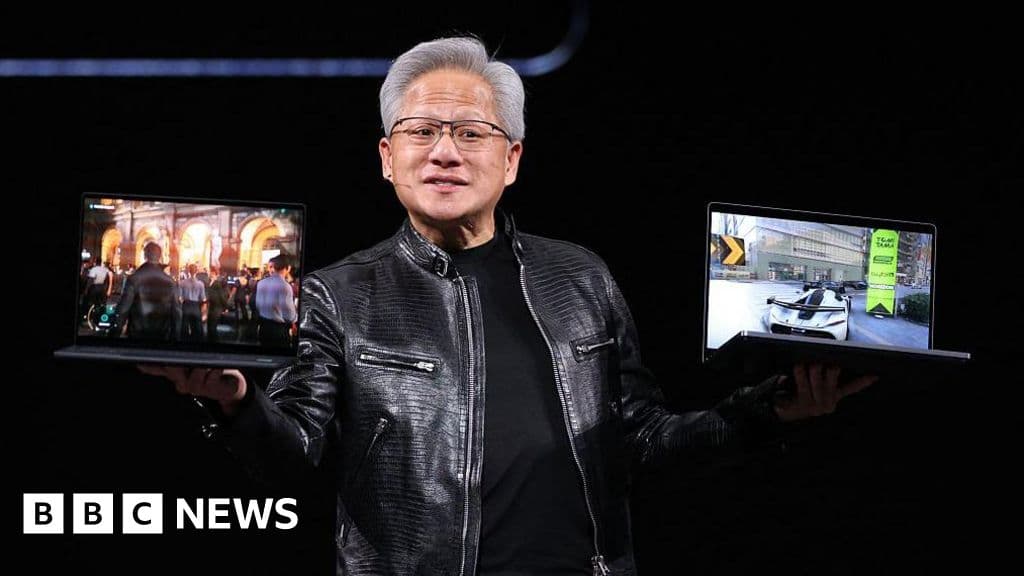
Nvidia's new RTX Spark chip aims to transform personal computing with AI, marking a significant shift in technology. Discover what this means for consumers.
BBC Business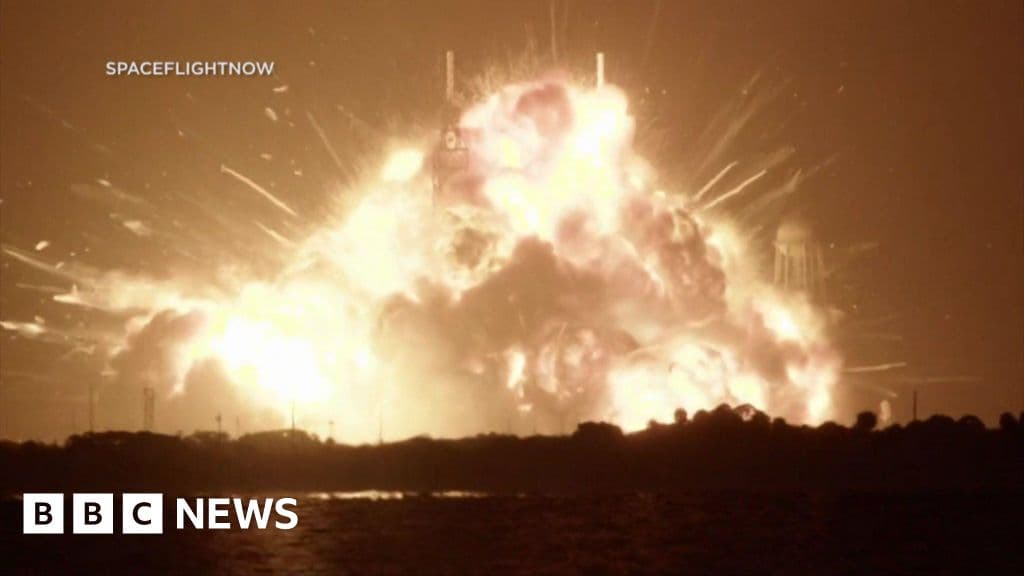
The explosion of Blue Origin's New Glenn rocket raises significant concerns over NASA's lunar ambitions and the future of Amazon's satellite projects. Discover the implications.
BBC Science
Discover how Meta's lack of engagement on user bans raises critical concerns about accountability and transparency in social media governance.
BBC Technology