
Image: Ars Technica
Federal regulators confirm no recall needed for Tesla's one-pedal driving amid ongoing concerns over sudden acceleration claims. What’s next for Tesla?
GlipzoFederal regulators have made a significant announcement regarding Tesla's one-pedal driving feature, declaring that there is no need for a recall related to claims of sudden unintended acceleration. This decision comes after years of scrutiny and allegations from consumers that Tesla vehicles accelerate unexpectedly while parked. The National Highway Traffic Safety Administration (NHTSA) concluded that the issue is tied more to human behavior than to engineering flaws in the vehicles themselves.
While Tesla has faced these sporadic accusations since it began selling electric vehicles (EVs), the core question remains whether these incidents stem from driver error or technical malfunctions. Various engineers have submitted petitions to the NHTSA over the years, seeking to compel a recall of Tesla's vehicles produced since 2013. However, the agency’s recent ruling indicates that they will not mandate such a recall, reaffirming that the responsibility lies with the driver rather than the vehicle's design.
To grasp the implications of this ruling, it’s essential to understand the mechanics behind one-pedal driving. This feature allows drivers to slow down or stop their vehicle by simply lifting their foot off the accelerator. Unlike traditional vehicles, which utilize friction brakes, Tesla's EVs rely on regenerative braking to recapture energy while decelerating. This method is not unique to Tesla; other manufacturers, including Rivian and Lucid, have adopted similar technologies.
One-pedal driving has its advocates and detractors. Many drivers appreciate the efficiency and control it provides, especially in low-speed situations. Conversely, some drivers find it disorienting. A notable petition submitted to the NHTSA in 2023 by Greek engineer Costas Lakafossis argued that this driving mode can create confusion, potentially leading to accidents when drivers mistakenly apply pressure to the accelerator instead of the brake.
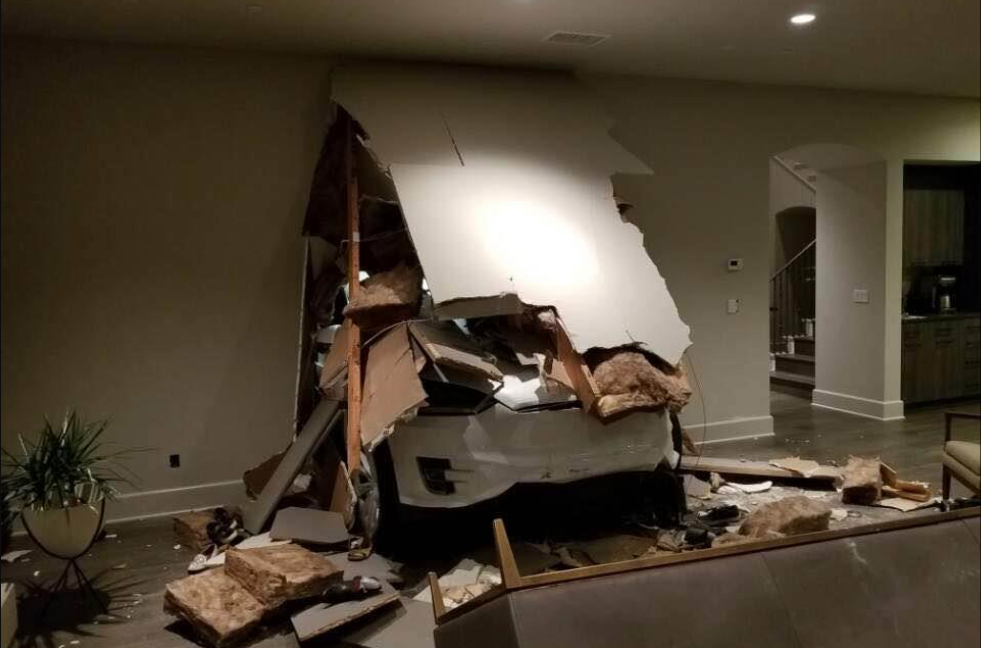
Lakafossis's petition suggests that the design of Tesla's vehicles may mislead drivers into unintentionally accelerating, especially since they do not need to engage the brake pedal to start the vehicle. He detailed a troubling pattern of incidents where Tesla cars have collided with stationary objects, including garage walls.
Despite these assertions, the NHTSA has consistently attributed these crashes to driver error. The agency addressed Lakafossis's claims, stating that 2.3 million Teslas equipped with this technology will not be recalled. Furthermore, the NHTSA emphasized that one-pedal driving is a common feature across many EVs, reinforcing their stance that additional safety measures, such as a brake transmission interlock, are not necessary.
While the NHTSA's announcement about the one-pedal driving feature was a relief for Tesla, it was not without complications. On the same day, the agency escalated its investigation into Tesla's Full Self-Driving (FSD) system from a preliminary analysis to a more in-depth engineering analysis. This transition indicates growing concern within the agency regarding Tesla’s reliance on a vision-only system for its autonomous driving capabilities.
The NHTSA's anxiety is rooted in the fact that Tesla’s approach lacks additional sensor modalities, such as radar or lidar, which are standard in many competing vehicles. The agency cited specific instances where Tesla's system failed to detect common roadway conditions that impaired camera visibility. These deficiencies raise serious questions about the safety and reliability of Tesla's autonomous driving technology, particularly in adverse conditions.
The NHTSA’s findings carry significant implications for the future of electric vehicles and autonomous driving systems. As more automakers enter the EV market, maintaining safety standards and addressing consumer concerns will be crucial. The decision not to recall Tesla vehicles suggests a level of assurance in current safety protocols but also highlights the need for ongoing scrutiny and improvement in technology.
The relationship between manufacturers and regulators will be pivotal as the automotive industry evolves. As autonomous driving technology advances, the NHTSA's investigations will likely increase, focusing on how well these systems can adapt to real-world driving conditions.
Looking ahead, Tesla must navigate the complexities of regulatory oversight while striving to enhance the reliability of its technologies. As the NHTSA deepens its investigation into the FSD system, Tesla may face pressure to implement additional safety features or clarify the functionality of its one-pedal driving mode.
As consumers continue to embrace electric vehicles, the need for transparent communication about safety features and functionality will be paramount. The outcome of the NHTSA’s ongoing investigations could set critical precedents for the industry, shaping future regulations and consumer expectations.
In summary, while Tesla continues to lead in EV innovation, it must also remain vigilant in addressing safety concerns and regulatory challenges to maintain trust among its customers and regulators alike.
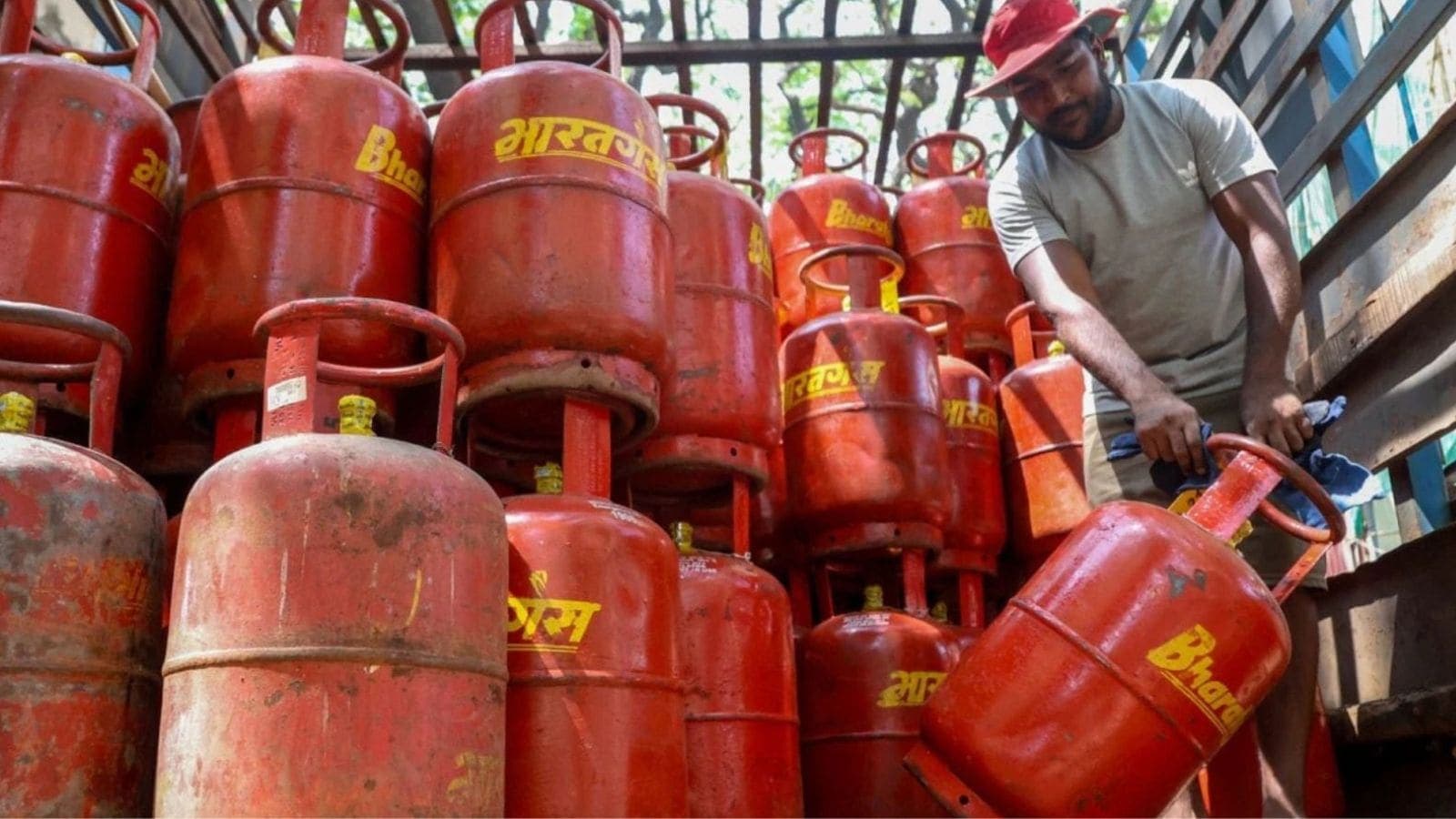
Commercial LPG prices have risen again, with increases of ₹42 in Delhi and ₹53.50 in Kolkata impacting businesses and consumers alike. Find out more.
Indian Express
Discover how a tragic coal mine explosion in Shanxi, China, reveals ongoing safety concerns in the industry amidst a push for green energy.
BBC Business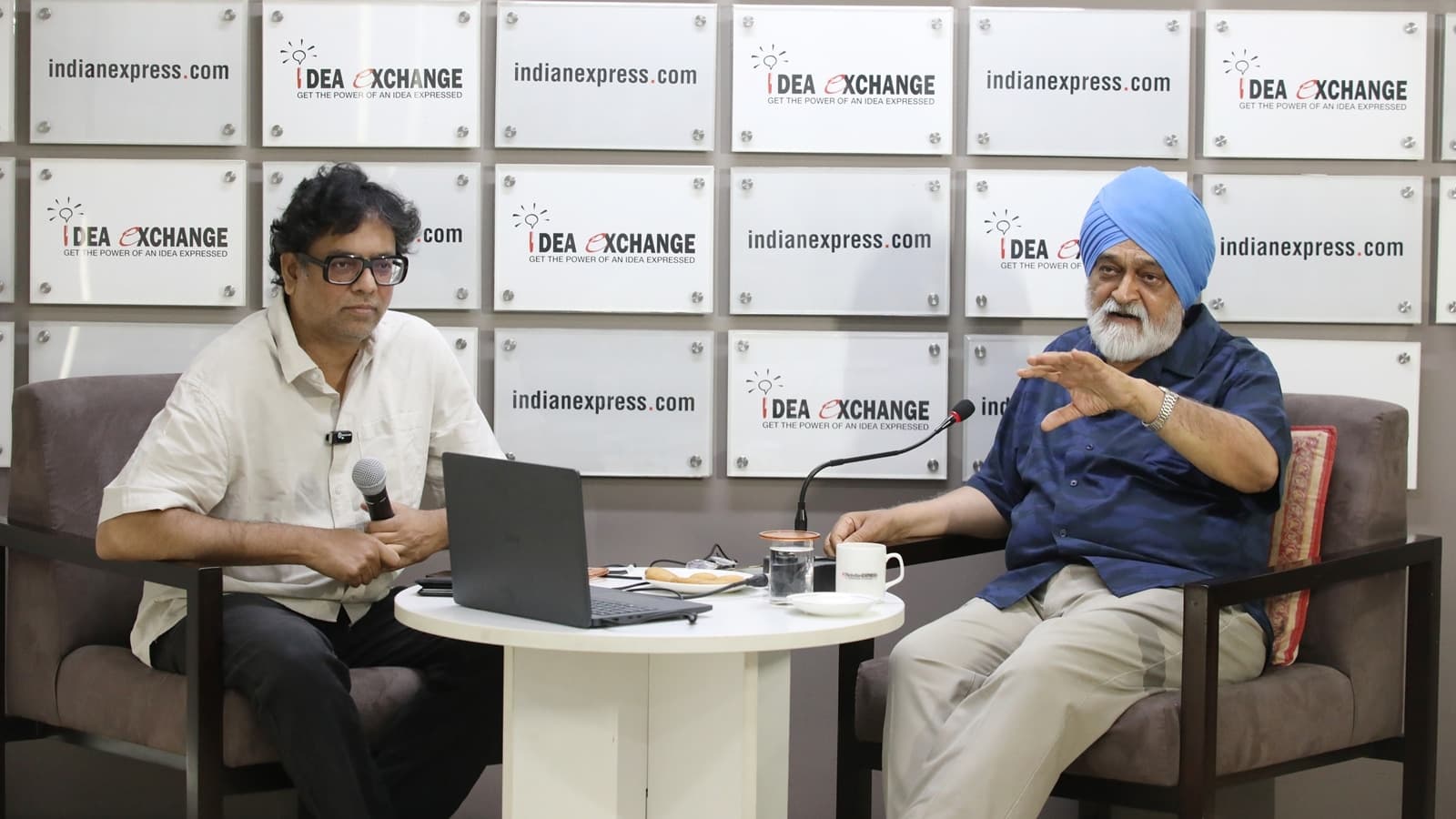
Montek Singh Ahluwalia highlights key economic challenges for India, emphasizing the need for a strategic approach to balance payments and investment.
Indian Express