
Glipzo
WorldTechnologyBusinessSportsEntertainmentScienceHealthPolitics
Glipzo
WorldTechnologyBusinessSportsEntertainmentScienceHealthPolitics
  1. Home
  2. /
  3. Politics
  4. /
  5. FBI Resumes Purchasing Americans' Location Data, Sparks Outcry
FBI Resumes Purchasing Americans' Location Data, Sparks Outcry

Image: Ars Technica

Politics
Thursday, March 19, 20264 min read

FBI Resumes Purchasing Americans' Location Data, Sparks Outcry

FBI resumes purchasing location data of Americans, raising privacy concerns. Legislation proposed to curb this practice. What does this mean for your privacy?

Glipzo News Desk|Source: Ars Technica
Share
Glipzo

Key Highlights

  • FBI admits to purchasing Americans' location data again.
  • Sen. Wyden calls this practice an end-run around the 4th Amendment.
  • Proposed Government Surveillance Reform Act seeks to protect citizens.
  • Sen. Cotton defends data purchases for national security.
  • Congress prepares to debate reauthorization of FISA's Section 702.

In this article

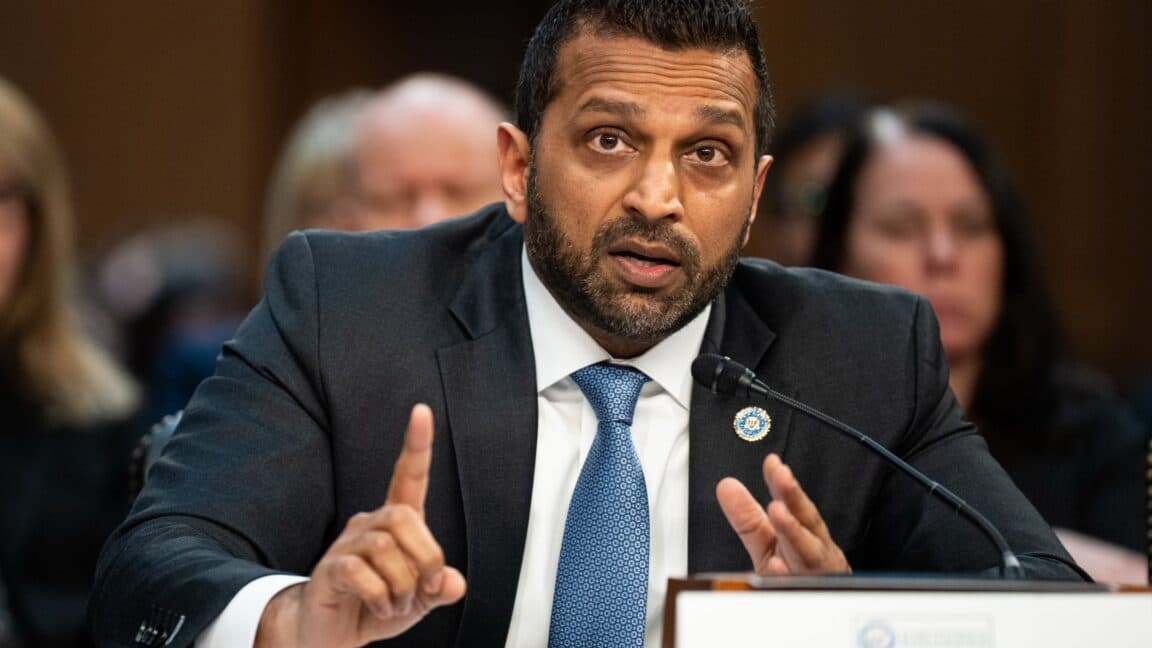
  • FBI's Shift on Location Data Purchases In a shocking revelation during a Senate Select Committee on Intelligence hearing, **FBI Director Kash Patel** confirmed that the agency has resumed its practice of purchasing **location data** from private entities without obtaining a warrant. This decision, made three years after the FBI claimed it had ceased such activities, has raised significant concerns regarding privacy and civil liberties.
  • Background on the FBI's Location Data Acquisition In **March 2023**, former FBI Director **Christopher Wray** had reassured Congress that the agency was not currently engaging in the purchase of location data derived from commercial databases. He mentioned past purchases were made for a specific **national security pilot project**, which had long been inactive. This contradiction highlights the ongoing tension between national security needs and the protection of citizens' privacy rights.
  • The Government Surveillance Reform Act In response to Patel's admission, Wyden called for immediate legislative action, advocating for the **Government Surveillance Reform Act**. This bipartisan bill, co-sponsored by **Senator Mike Lee (R-Utah)**, seeks to prohibit federal agencies from purchasing location information on U.S. citizens without a warrant or authorization under the **Foreign Intelligence Surveillance Act (FISA)**. It also aims to safeguard residents' **communications content**, **web browsing history**, and **internet search history** from government surveillance.
  • Legal Precedents and Privacy Concerns The debate surrounding the FBI's location data purchases is underscored by a **2018 Supreme Court ruling**, which mandated that law enforcement must obtain a warrant to access **cell-site location information** from wireless carriers. However, this ruling did not extend to data obtained from third-party data brokers, which complicates the legal landscape surrounding privacy rights.
  • Bipartisan Perspectives on Law Enforcement Practices The hearing also saw **Senator Tom Cotton (R-Ark.)**, chair of the Senate Intelligence Committee, defending the FBI's approach. Cotton likened the acquisition of commercially available data to law enforcement’s right to sift through a person’s trash.
  • The Future of FISA and Surveillance Practices As Congress prepares to discuss the reauthorization of **FISA’s Section 702**, which is set to expire on **April 19, 2026**, the debate over privacy and surveillance will intensify. Cotton expressed his support for a clean reauthorization of Section 702, while Wyden and other lawmakers advocate for reforms to ensure stronger protections for citizens.
  • Conclusion: What’s Next for Privacy Legislation As the landscape of data privacy continues to evolve, the implications of the FBI’s decision to purchase Americans’ location data will be closely monitored. Activists and lawmakers alike are poised to take action, pushing for reforms that prioritize the protection of citizens’ rights in the digital age. As technology advances, so too will the need for a robust framework that governs how personal information is collected and used by both government and private entities.

FBI's Shift on Location Data Purchases In a shocking revelation during a Senate Select Committee on Intelligence hearing, **FBI Director Kash Patel** confirmed that the agency has resumed its practice of purchasing **location data** from private entities without obtaining a warrant. This decision, made three years after the FBI claimed it had ceased such activities, has raised significant concerns regarding privacy and civil liberties.

The hearing took place on October 25, 2023, where Patel acknowledged the value of the information obtained through these purchases while refusing to commit to discontinuing the practice. During questioning by Senator Ron Wyden (D-Ore.), Patel stated, "The FBI uses all tools to do our mission. We do purchase commercially available information that’s consistent with the Constitution and the laws under the Electronic Communications Privacy Act."

Background on the FBI's Location Data Acquisition In **March 2023**, former FBI Director **Christopher Wray** had reassured Congress that the agency was not currently engaging in the purchase of location data derived from commercial databases. He mentioned past purchases were made for a specific **national security pilot project**, which had long been inactive. This contradiction highlights the ongoing tension between national security needs and the protection of citizens' privacy rights.

Wyden challenged Patel's assertions, emphasizing the Fourth Amendment implications of such surveillance practices. "Doing that without a warrant is an outrageous end-run around the Fourth Amendment," Wyden stated, underscoring the potential dangers of using artificial intelligence to sift through vast amounts of private data.

The Government Surveillance Reform Act In response to Patel's admission, Wyden called for immediate legislative action, advocating for the **Government Surveillance Reform Act**. This bipartisan bill, co-sponsored by **Senator Mike Lee (R-Utah)**, seeks to prohibit federal agencies from purchasing location information on U.S. citizens without a warrant or authorization under the **Foreign Intelligence Surveillance Act (FISA)**. It also aims to safeguard residents' **communications content**, **web browsing history**, and **internet search history** from government surveillance.

Legal Precedents and Privacy Concerns The debate surrounding the FBI's location data purchases is underscored by a **2018 Supreme Court ruling**, which mandated that law enforcement must obtain a warrant to access **cell-site location information** from wireless carriers. However, this ruling did not extend to data obtained from third-party data brokers, which complicates the legal landscape surrounding privacy rights.

Major telecommunications companies have been criticized for selling user location data without proper consent, facing challenges from the Federal Communications Commission (FCC) regarding their practices. Data brokers typically gather location data from application developers, leading to a marketplace where personal information can be bought and sold with little oversight.

Bipartisan Perspectives on Law Enforcement Practices The hearing also saw **Senator Tom Cotton (R-Ark.)**, chair of the Senate Intelligence Committee, defending the FBI's approach. Cotton likened the acquisition of commercially available data to law enforcement’s right to sift through a person’s trash.

He stated, "If any other person can buy it and the FBI can buy it and it helps them locate a depraved child molester or savage cartel leader, I certainly hope the FBI is doing anything they can to keep Americans safe." This perspective raises questions about the balance between security needs and individual privacy rights, especially in an era where data accessibility has become more prevalent.

The Future of FISA and Surveillance Practices As Congress prepares to discuss the reauthorization of **FISA’s Section 702**, which is set to expire on **April 19, 2026**, the debate over privacy and surveillance will intensify. Cotton expressed his support for a clean reauthorization of Section 702, while Wyden and other lawmakers advocate for reforms to ensure stronger protections for citizens.

This ongoing discussion will be critical in shaping the future of government surveillance practices. With rising concerns over data privacy and civil liberties, it is clear that the path forward must strike a careful balance between national security interests and the fundamental rights of individuals.

Conclusion: What’s Next for Privacy Legislation As the landscape of data privacy continues to evolve, the implications of the FBI’s decision to purchase Americans’ location data will be closely monitored. Activists and lawmakers alike are poised to take action, pushing for reforms that prioritize the protection of citizens’ rights in the digital age. As technology advances, so too will the need for a robust framework that governs how personal information is collected and used by both government and private entities.

The upcoming discussions in Congress surrounding FISA reauthorization and the proposed Government Surveillance Reform Act will be crucial in determining how surveillance practices will be regulated in the future. Citizens and advocates must remain vigilant as these debates unfold, ensuring that their rights are safeguarded against unwarranted intrusions into their private lives.

Did you find this article useful? Share it!

Share

Related Articles

Critical Election Commission Discrepancies Impact Voter Rolls
Politics
Apr 21, 2026

Critical Election Commission Discrepancies Impact Voter Rolls

Major discrepancies in West Bengal voter rolls raise concerns. Can over 20 million households uplift their status by quitting tobacco? Explore the impact.

Indian Express
Government Unveils Major Plan to Change Electricity Pricing
Politics
Apr 21, 2026

Government Unveils Major Plan to Change Electricity Pricing

UK government plans to change electricity pricing to reduce gas price volatility, enhancing consumer protection and promoting clean energy.

BBC Business
Shocking Shreveport Shooting: 8 Children Killed, Survivors Escape
Politics
Apr 21, 2026

Shocking Shreveport Shooting: 8 Children Killed, Survivors Escape

A shocking mass shooting in Shreveport, LA, leaves eight children dead and survivors escaping to safety. What led to this tragedy? Find out here.

BBC World

Categories

  • World
  • Technology
  • Business
  • Sports

More

  • Entertainment
  • Science
  • Health
  • Politics

Explore

  • Web Stories
  • About Us
  • Contact

Legal

  • Privacy Policy
  • Terms of Service

© 2026 Glipzo. All rights reserved.

