

Image: The Guardian World
Experts warn that escalating conflict in Iran threatens African food security due to rising fertilizer prices and disrupted supply chains. What’s next?
GlipzoAs the Iran conflict escalates, experts are raising alarms about its profound implications on food security across Africa. The ongoing war has significantly disrupted shipping routes through the Strait of Hormuz, a critical artery for the transportation of commodities, not just oil but also essential fertilizers. With African farmers relying heavily on imported fertilizer, the repercussions of this conflict could be dire.
The Strait of Hormuz is a vital route for global trade, with around one-third of the world’s seaborne fertilizer passing through it. According to a UNCTAD report, countries like Sudan depend on imports for over 54% of their fertilizer needs, while Somalia and Kenya rely on it for 30% and 26% respectively. This dependency makes them particularly susceptible to disruptions caused by geopolitical tensions.
The war has already led to a spike in fertilizer prices, raising concerns that food costs will follow suit. This is particularly alarming for countries where a large portion of household income is spent on food. Jervin Naidoo, a political analyst at Oxford Economics Africa, noted, “Any disruptions, any shocks really affect all of us.” The already fragile economic situations in African nations mean that these rising costs could exacerbate existing vulnerabilities.
The implications of soaring oil prices are felt acutely in Africa, where many citizens work in the informal sector with unstable incomes. XN Iraki, a professor at the University of Nairobi, predicts that increased oil costs will hit the continent hard, compounding the challenges faced by millions.
As the conflict unfolds, African governments are navigating a treacherous economic landscape. Rama Yade, a senior director at the Atlantic Council’s Africa Center, highlighted that rising oil prices could lead to serious economic challenges, forcing governments to either increase subsidies or pass costs onto consumers. This dynamic risks triggering social unrest as citizens grapple with rising living expenses.
African nations are proactively preparing to mitigate these impacts. For instance, Kenya's Energy Minister Opiyo Wandayi announced that petroleum imports have been scheduled through the end of April to ensure a steady supply. Similarly, Tanzania's President Samia Suluhu Hassan has ordered the strengthening of the country's strategic fuel reserves, while Ethiopia rolled out a fuel subsidy to soften the blow of increasing global oil prices.
The current situation echoes the challenges faced in 2022 when Russia's invasion of Ukraine disrupted supply chains, leading to soaring prices and economic instability across Africa. While some countries have mechanisms like subsidies to alleviate the financial burden, experts warn these may not suffice for long-term relief.
Moreover, as oil prices rise, countries like Nigeria, Algeria, and Angola could potentially benefit from increased revenues due to heightened demand for their oil exports. This scenario creates a complex dynamic where some nations may thrive while others struggle.
The war's implications are not limited to imports; they also extend to African exports to the Middle East. Kenya's Agriculture Minister Mutahi Kagwe recently disclosed that the conflict has disrupted the export of vital products such as meat and tea, further complicating the economic landscape. These disruptions not only threaten local farmers but also impact the broader trade relationships with Middle Eastern countries.
As the situation develops, it is crucial for African nations to implement strategies that bolster their resilience against such shocks. Enhanced domestic production, diversification of supply sources, and investment in infrastructure could be pivotal in mitigating future risks.
Looking ahead, the unfolding situation in the Middle East underscores the urgent need for African countries to reassess their reliance on imported fertilizers and energy. As experts emphasize, the continent's vulnerabilities must be addressed proactively to safeguard food security and economic stability.
In summary, the ongoing conflict in Iran serves as a stark reminder of how interconnected our global systems are. As fertilizer and oil prices continue to rise, the potential for economic unrest in Africa looms large. Governments and stakeholders must remain vigilant, adapting to this evolving crisis while seeking sustainable solutions to strengthen agricultural production and ensure food security for millions.
This situation is one to watch closely; as the conflict unfolds, its ripple effects on African economies will become increasingly apparent. The actions taken in the coming weeks will be crucial in determining the continent's resilience against future shocks.
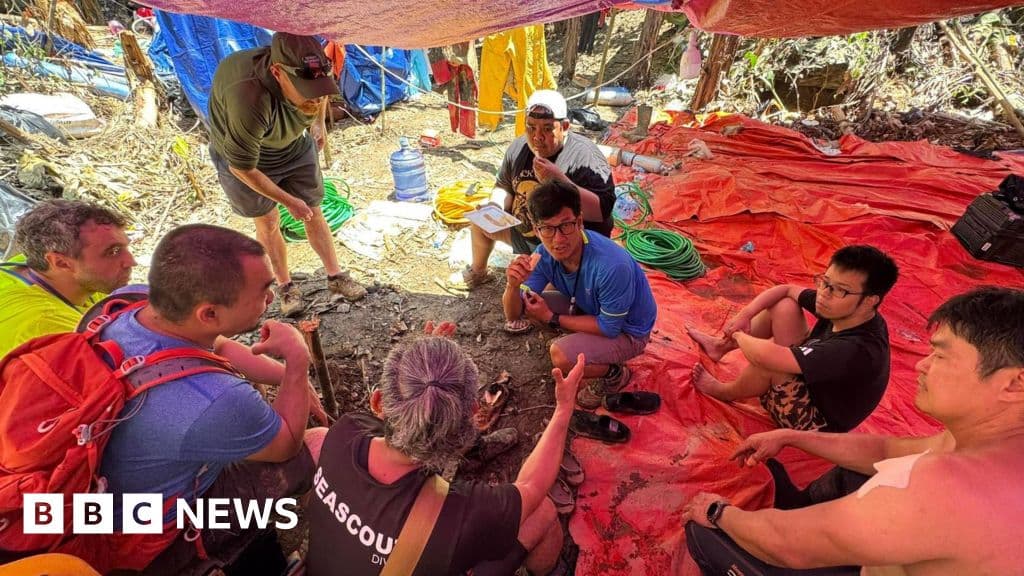
Survivors of the Laos cave rescue are aiding efforts to find the last two missing men trapped inside, sharing crucial insights for the search operation.
BBC World
A year after the tragic Air India crash, the Ali family reflects on grief, unanswered questions, and the enduring bonds of love in the face of loss.
BBC Business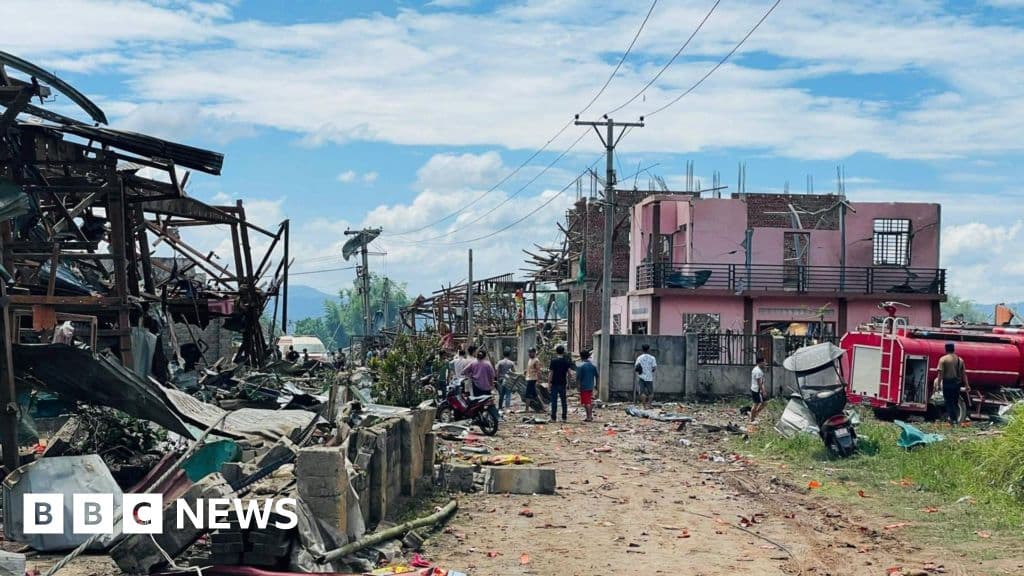
A devastating explosion in Myanmar's Kaung Tat village has killed at least 55 people, raising serious safety concerns and questions about civilian protection in conflict zones.
BBC World