

Image: Times of India
India may resume buying Iranian oil after a US waiver, raising questions about energy security and global oil dynamics. What are the implications?
GlipzoIn a significant turn of events, India is contemplating the resumption of oil imports from Iran following a waiver granted by the United States. This decision comes at a time when global oil prices are fluctuating and countries are reassessing their energy security strategies. The potential revival of trade ties with Iran could reshape the geopolitical landscape and impact global oil markets.
The U.S. waiver, which allows certain countries to bypass sanctions, has ignited discussions among Indian refiners. They are eager to leverage the opportunity to procure Iranian crude oil, which has traditionally been a cost-effective source. As India grapples with rising domestic energy demands, the return to Iranian oil could offer significant economic benefits.
Historically, India has been one of the largest buyers of Iranian oil, importing around 450,000 barrels per day at its peak. However, the re-imposition of U.S. sanctions in 2018 led to a dramatic decline in these imports. The sanctions targeted Iran’s economy and oil sector, prompting India to pivot its purchasing strategies towards other suppliers like Saudi Arabia and Iraq.
Despite these challenges, the Indian government has been vocal about its intention to maintain a balanced relationship with Iran. The recent U.S. waiver has reignited interest among Indian oil companies, as they seek to mitigate costs and ensure a stable supply of crude oil amidst ongoing market volatility.
The potential resumption of Iranian oil imports holds several implications for India and the global oil market:
Industry experts predict that if India resumes buying Iranian oil, it could lead to a significant increase in Iran's oil exports, which have been severely hampered by sanctions. This could also benefit Indian refiners who are looking for more affordable crude options as they work to meet domestic demands.
Indian refiners are cautiously optimistic about the prospect of resuming imports from Iran. Leading firms like Indian Oil Corporation and Reliance Industries are exploring the logistics of re-establishing trade links with Iranian suppliers. The government has not yet made an official announcement, but discussions are ongoing.
The decision to resume oil imports from Iran is not just a matter of national interest for India; it has broader implications for the global oil market. Should India proceed to import Iranian crude, it would signal a shift in the landscape of oil trading, potentially encouraging other countries to reconsider their positions on Iranian oil.
Additionally, the move could have repercussions on oil prices, especially if it leads to an increase in global supply. Analysts are closely monitoring these developments, as they could influence market stability moving forward.
As discussions continue, several key factors will shape the future of Indian oil imports from Iran:
In conclusion, as India weighs the potential return to Iranian oil, the implications extend beyond just energy supply. This decision could redefine India’s energy landscape and influence international relations, making it a critical development to watch in the coming months.
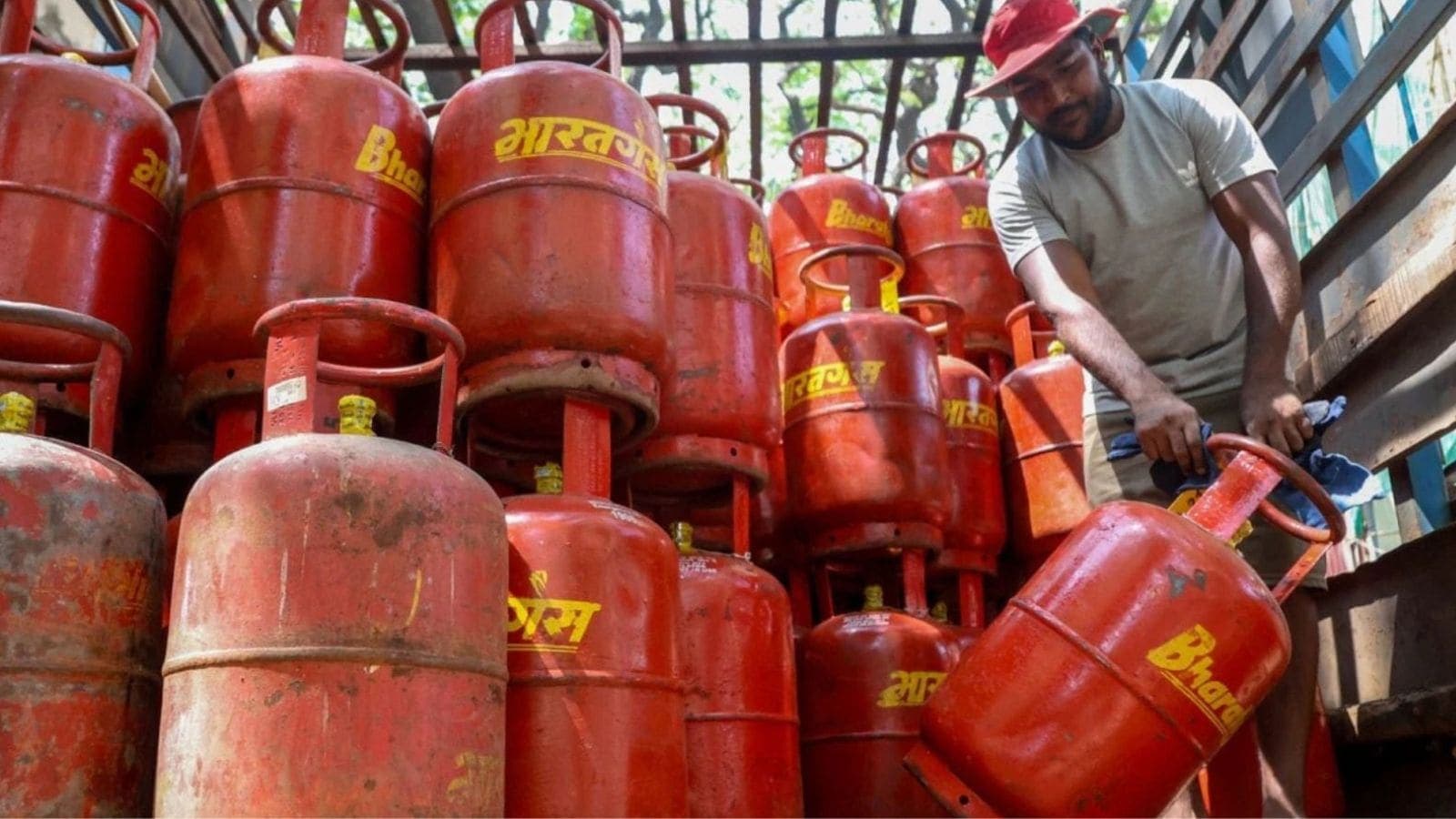
Commercial LPG prices have risen again, with increases of ₹42 in Delhi and ₹53.50 in Kolkata impacting businesses and consumers alike. Find out more.
Indian Express
Discover how a tragic coal mine explosion in Shanxi, China, reveals ongoing safety concerns in the industry amidst a push for green energy.
BBC Business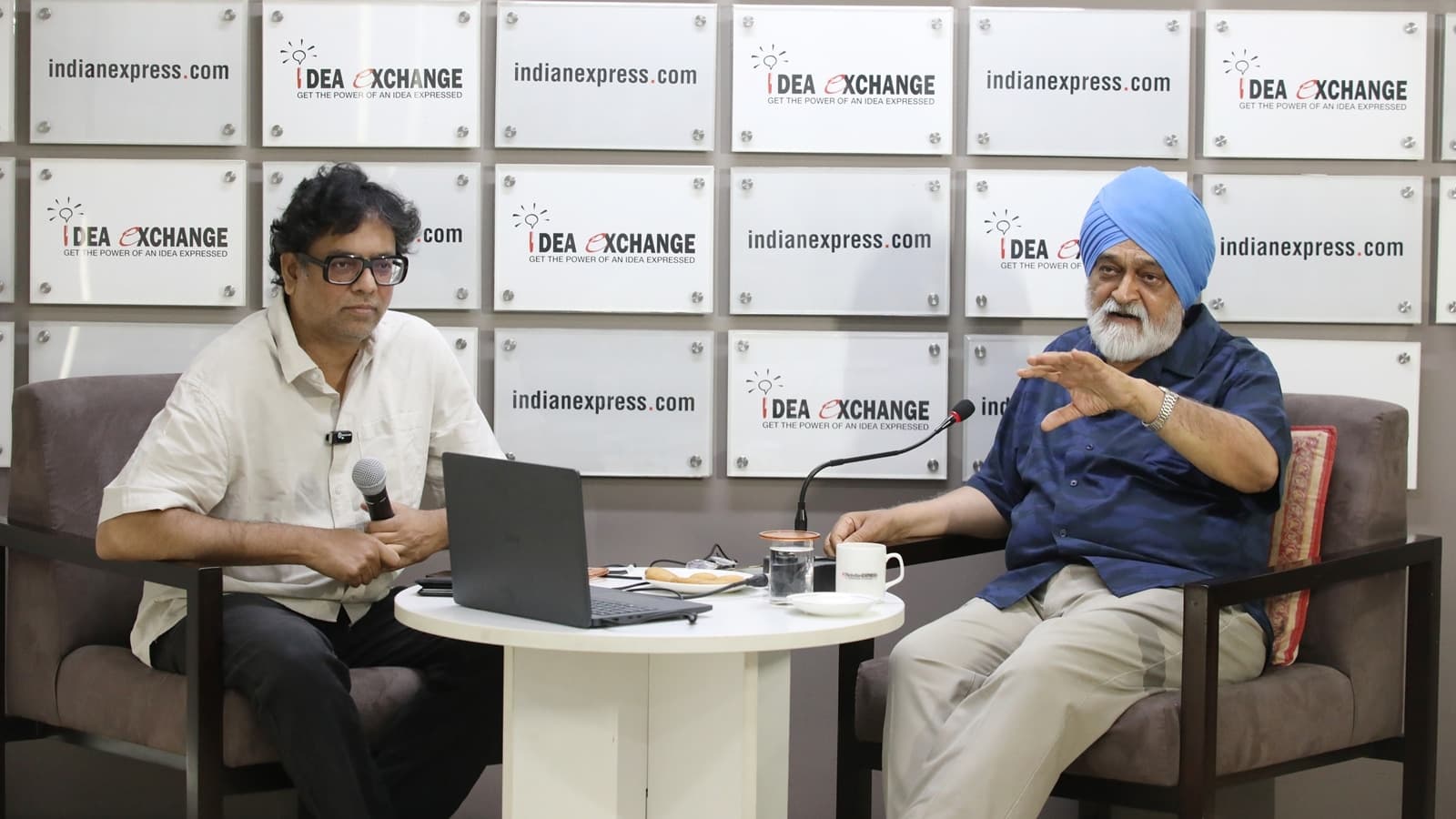
Montek Singh Ahluwalia highlights key economic challenges for India, emphasizing the need for a strategic approach to balance payments and investment.
Indian Express