

Image: Times of India
TP-Link founder Zhao Jianjun and his wife seek U.S. citizenship under the controversial EB-5 program. What does this mean for immigration and tech? Click to find out!
GlipzoIn a significant development, TP-Link's founder, Zhao Jianjun, has come under the spotlight as he and his wife pursue U.S. citizenship under the controversial Trump-era EB-5 program, often dubbed the ‘Gold Card’. This initiative, designed to attract foreign investment and create U.S. jobs, has recently garnered renewed attention due to its connection with high-profile individuals seeking expedited residency. The implications of this move are profound, not just for Zhao's family but for the broader narrative surrounding immigration and investment in the United States.
The EB-5 Immigrant Investor Program was established in 1990 with the objective of stimulating the U.S. economy through job creation and capital investment. Investors can obtain a U.S. green card by making a minimum investment of $1 million, or $500,000 in targeted employment areas, which are regions with high unemployment rates. The program has been beneficial for many foreign entrepreneurs, but it has also faced criticism for potential misuse and the influence of wealth in immigration matters.
Zhao Jianjun's pursuit of this visa highlights a growing trend among tech entrepreneurs and business leaders seeking to secure a foothold in the American market. As CEO of TP-Link, a leading global provider of networking devices, Zhao's decision to apply for citizenship is not just personal but also strategic. By establishing residency in the U.S., he aims to enhance his company's presence in one of the world's largest technology markets.
The ‘Gold Card’ initiative was popularized during former President Donald Trump’s administration, as a means to attract affluent investors. However, its association with individuals from countries such as China has led to scrutiny and accusations of favoritism in immigration processes. Zhao's application raises questions about the ethics of leveraging wealth for citizenship and the potential implications for U.S. immigration policy moving forward.
Critics argue that this system disproportionately benefits wealthy individuals while sidelining those seeking refuge or opportunities based purely on merit. The fact that Zhao is a notable figure in the tech industry adds another layer of complexity to the discussion, as it intertwines themes of entrepreneurship, innovation, and immigration reform.
The case of Zhao Jianjun serves as a microcosm of broader themes in tech entrepreneurship and immigration reform. As the U.S. continues to grapple with its immigration policies, especially in the wake of the pandemic, the balance between welcoming skilled talent and ensuring fair practices remains a contentious debate.
Potential outcomes of Zhao's citizenship application could set precedents for future tech entrepreneurs. If successful, it may encourage more foreign investors to seek similar pathways to residency, reinforcing the notion that wealth can facilitate immigration. Conversely, if met with resistance, it could spark further conversations about reforming the EB-5 program to ensure it serves its intended purpose without enabling abuse.
As Zhao Jianjun and his wife navigate the complexities of the U.S. immigration system, their case will undoubtedly attract attention from various stakeholders, including policymakers, business leaders, and immigration advocates. The ongoing discussion surrounding the EB-5 visa program’s effectiveness and ethical implications will likely intensify as more high-profile cases emerge.
In conclusion, the pursuit of U.S. citizenship by TP-Link's founder highlights significant aspects of immigration, investment, and the tech industry's future. As Zhao's case unfolds, it will provide critical insights into the intersection of wealth, innovation, and policy in America.
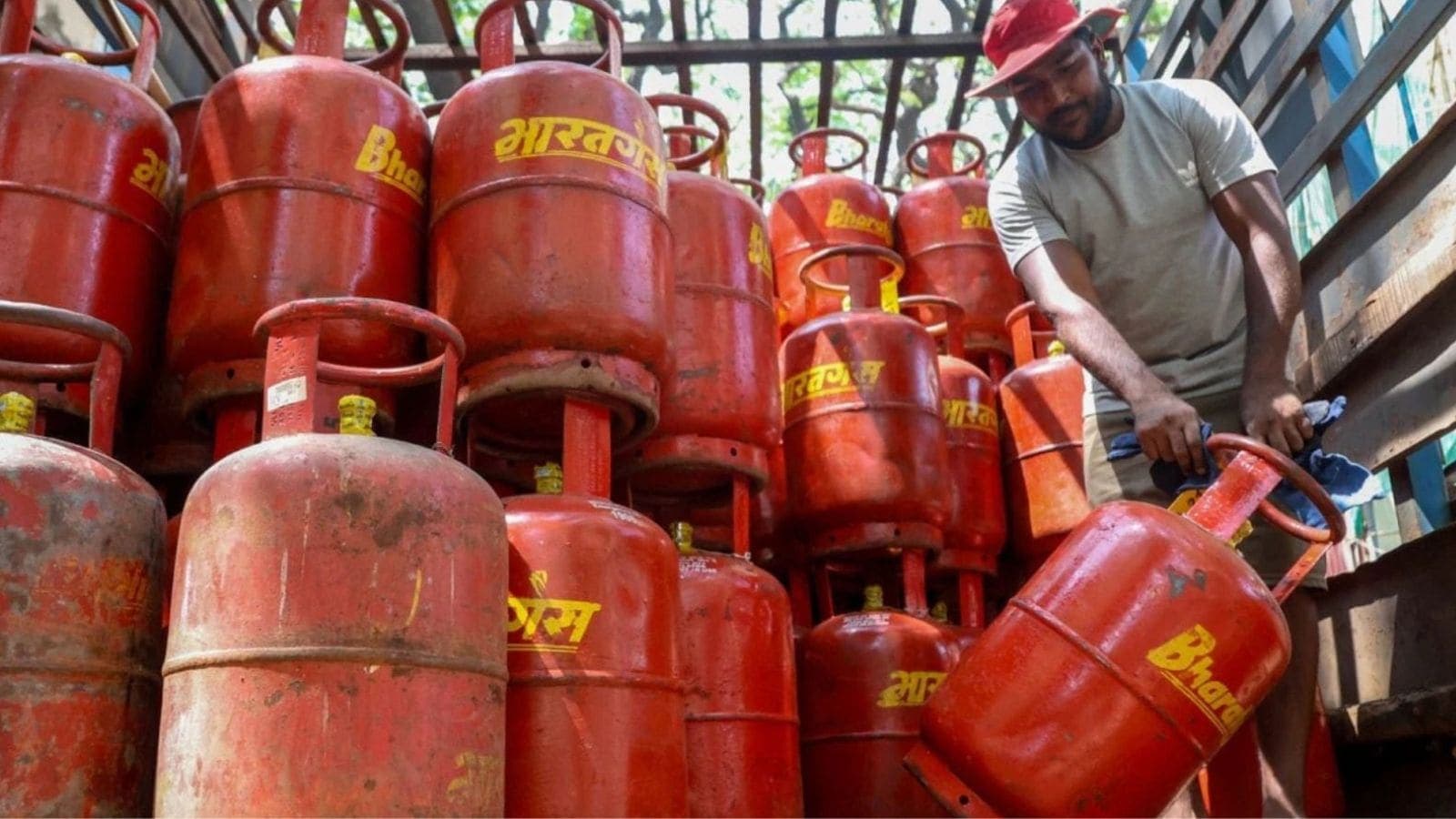
Commercial LPG prices have risen again, with increases of ₹42 in Delhi and ₹53.50 in Kolkata impacting businesses and consumers alike. Find out more.
Indian Express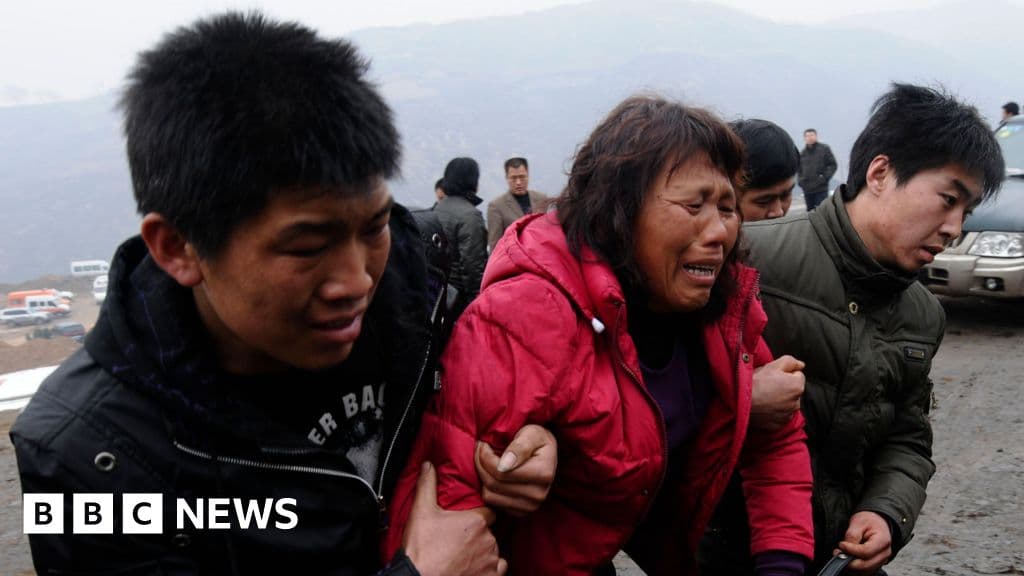
Discover how a tragic coal mine explosion in Shanxi, China, reveals ongoing safety concerns in the industry amidst a push for green energy.
BBC Business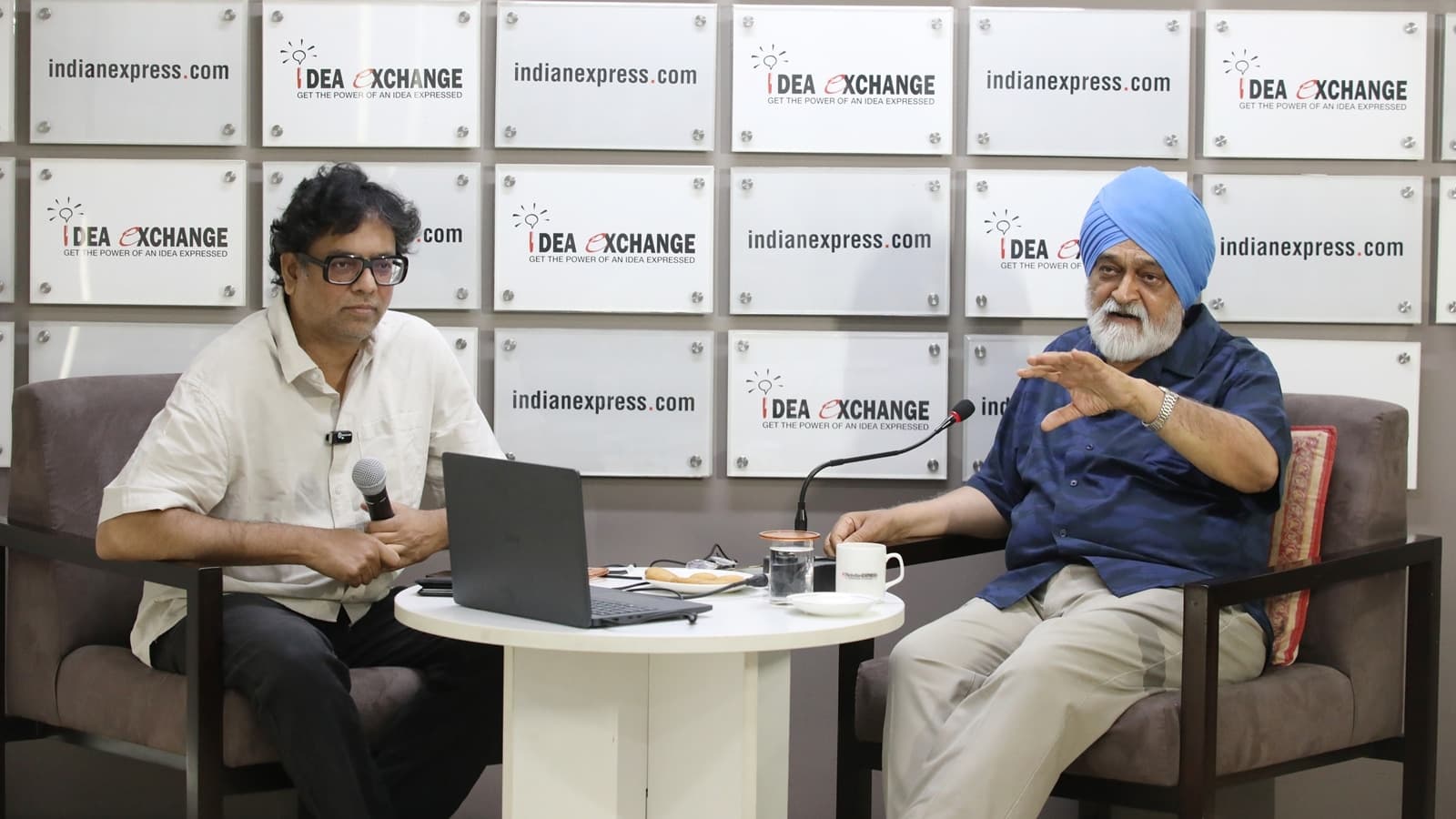
Montek Singh Ahluwalia highlights key economic challenges for India, emphasizing the need for a strategic approach to balance payments and investment.
Indian Express