

Image: Times of India
The European trade group criticizes Broadcom's tactics, calling them a 'death sentence' for suppliers, urging regulatory scrutiny for fair market practices.
GlipzoIn a significant turn of events, the European trade association, representing various suppliers in the semiconductor and technology sectors, has expressed deep concern over Broadcom's recent business practices. This condemnation comes in response to Broadcom's aggressive strategies that the group claims could jeopardize the future of many suppliers, labeling these actions as a potential "death sentence" for their operations. The announcement was made during a press conference held in Brussels on October 25, 2023, where industry leaders gathered to discuss the implications of Broadcom's market behavior.
The trade association, which has been a vocal advocate for fair competition and supplier rights, highlighted that Broadcom's actions could create an environment where smaller suppliers struggle to survive. The group's statement reflects a growing unease within the tech community about the impact of consolidation in the semiconductor industry, particularly by dominant players like Broadcom.
Broadcom, known for its extensive portfolio in the semiconductor space, has recently adopted a strategy that involves aggressive pricing and exclusive supply agreements with key customers. This approach, while potentially beneficial to Broadcom's bottom line, may lead to significant challenges for smaller suppliers who cannot compete with such tactics. The trade group has pointed out several critical issues:
The semiconductor industry is a cornerstone of modern technology, powering everything from smartphones to data centers. The European trade group's alarm signals a critical moment for the tech ecosystem, highlighting the delicate balance between competition and monopoly. As Broadcom continues to expand its influence, the ramifications could extend beyond just suppliers, affecting technology consumers as well.
The trade association is calling for regulatory intervention to ensure a balanced market. They argue that without oversight, the actions of companies like Broadcom could lead to a monopolistic environment detrimental to innovation and supply chain resilience.
During the press conference, representatives from the trade group urged European regulators to review Broadcom's business practices. They emphasized the need for strict enforcement of competition laws, which are designed to protect smaller players and ensure a diverse marketplace. The group laid out several recommendations for policymakers:
As the situation unfolds, the semiconductor market stands at a crossroads. With Broadcom at the center of this controversy, industry watchers are keen to see how regulators and suppliers respond. If the trade group’s warnings gain traction, we may witness a shift in how large tech companies operate, particularly concerning their interactions with smaller suppliers.
The European trade association's stance has the potential to instigate broader conversations about market fairness and supplier rights. A key focus will be whether regulatory bodies will take action and if suppliers can unite effectively to advocate for their interests against powerful industry giants like Broadcom.
As we move forward, the unfolding narrative surrounding Broadcom and its suppliers will be crucial for the tech landscape. Key aspects to monitor include:
The coming months will be pivotal in determining the health and competitiveness of the semiconductor industry, with implications that could resonate across the entire technology sector.
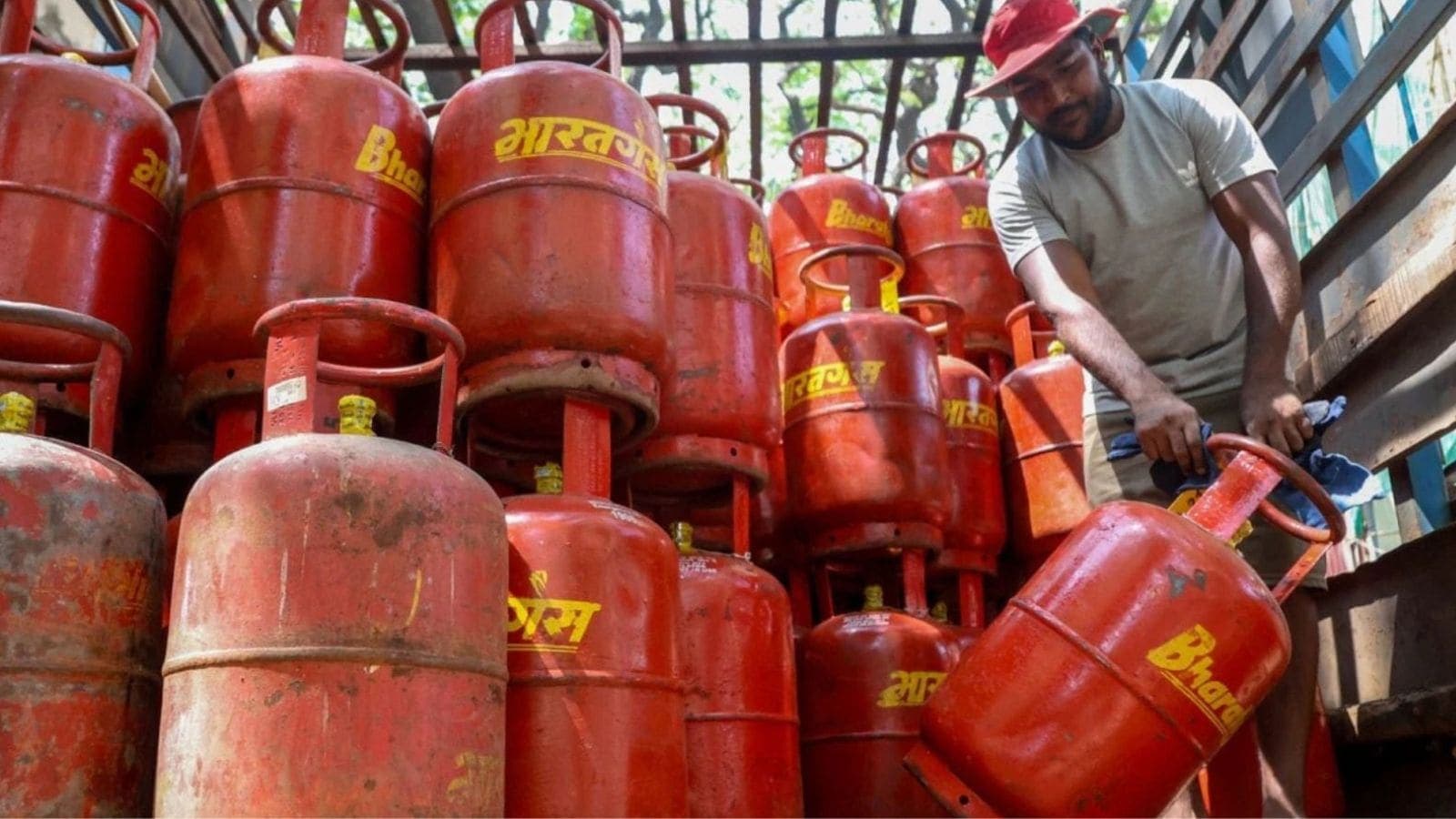
Commercial LPG prices have risen again, with increases of ₹42 in Delhi and ₹53.50 in Kolkata impacting businesses and consumers alike. Find out more.
Indian Express
Discover how a tragic coal mine explosion in Shanxi, China, reveals ongoing safety concerns in the industry amidst a push for green energy.
BBC Business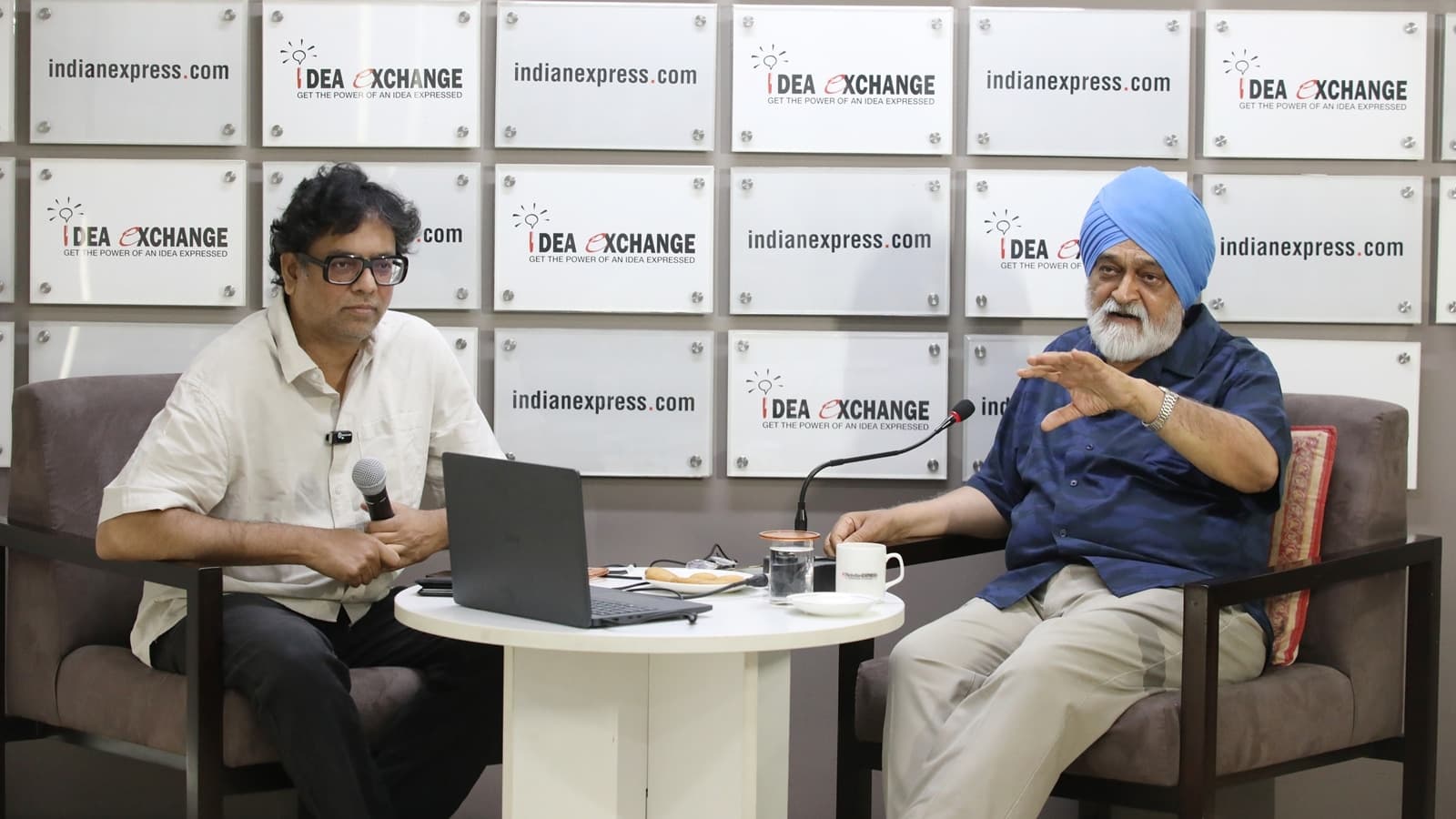
Montek Singh Ahluwalia highlights key economic challenges for India, emphasizing the need for a strategic approach to balance payments and investment.
Indian Express