
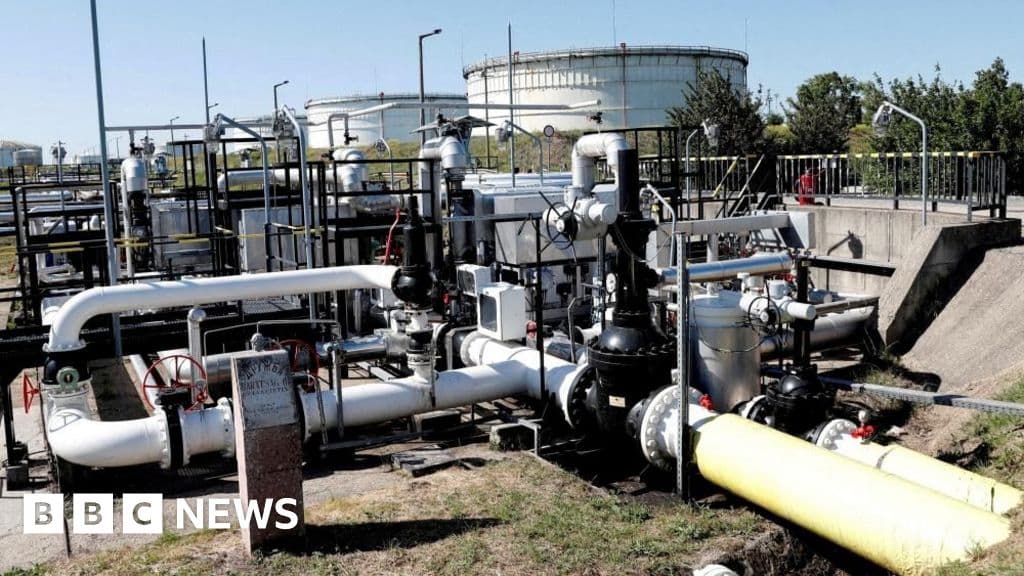
Image: BBC World
Discover how Ukraine's oil flow resumption led to EU's €90bn loan approval, signaling crucial support and shifting political dynamics in Hungary.
GlipzoIn a significant development for Ukraine's ongoing conflict with Russia, Ukraine has restarted oil pumping through a crucial pipeline into Hungary and Slovakia, marking the end of a prolonged deadlock over a much-anticipated €90 billion loan from the European Union. This loan is seen as essential support for Kyiv and is expected to be formally signed off during a meeting in Brussels on Thursday, further solidifying the EU's commitment to Ukraine amid escalating tensions.
This breakthrough comes shortly after EU ambassadors convened in Brussels and granted preliminary approval for the loan, alongside a 20th package of sanctions aimed at Russia. The discussions reflect the EU's strategy to support Ukraine while imposing measures against Russian aggression.
The path to this approval was fraught with challenges, particularly due to Hungary's Prime Minister Viktor Orbán, who had previously placed a veto on the loan back in February. Orbán's objections stemmed from Ukraine's claims that a Russian attack had disrupted oil supplies, prompting his demand for the restoration of oil flow as a condition for approving the loan. However, with Orbán's recent election defeat, the political landscape has shifted, allowing for renewed cooperation between Hungary and the EU.
Ukrainian officials announced the resumption of oil transit just hours after the EU meeting commenced. Reports indicate that the Ukrainian energy operator Ukrtransnaft confirmed the restart of pumping through the Druzhba pipeline. Slovak Economy Minister Denisa Sakova relayed that oil was expected to flow into Slovakia starting Thursday, a momentous occasion as it had been dormant since January 27.
The urgency surrounding the EU's financial support is underscored by remarks from EU foreign policy chief Kaja Kallas, who emphasized that the loan is crucial not just for Ukraine’s survival, but also as a statement against Russia's attempts to undermine the country. Taras Kachka, Ukraine's Deputy Prime Minister, characterized the loan as a “matter of life and death” for the nation.
Approximately two-thirds of the loan will be allocated to enhancing Ukraine's defense capabilities, with the remaining funds directed towards broader financial assistance. This financial influx is anticipated to provide critical resources as Ukraine navigates the ongoing conflict and its aftermath.
Orbán's recent statements indicated a shift in his stance, as he acknowledged that restoring oil deliveries would allow him to support the loan’s approval. His caretaker leadership, which will last until a new government is formed in early next month, marks a potential turning point in Hungary's relationship with the EU. The new leader, Péter Magyar, has expressed a desire to mend ties with Brussels, suggesting a more cooperative approach moving forward.
Zelensky, Ukraine's president, welcomed the EU's commitment, stating that unblocking the €90 billion funding sends a “right signal” during these critical times. He underscored the importance of rapid operationalization of the European support package, although Ukrainian media caution that it may still take weeks for the funds to reach Kyiv.
In parallel developments, Russia has announced plans to halt oil shipments from Kazakhstan that traverse a different section of the Druzhba pipeline. This decision adds another layer of complexity to the already strained energy dynamics in the region. As Ukraine continues to assert its position, targeting oil facilities within Russia and disrupting supply chains, the geopolitical climate remains tense.
The EU’s backing and the resumption of oil flow signify not only economic support for Ukraine but also a strategic move against Russian influence in Eastern Europe. With Orbán's defeat and potential changes in Hungary's political landscape, the EU may find renewed vigor in its support for Ukraine.
As the situation evolves, several key points warrant attention: - Implementation of the Loan: Watch for the timeline of fund disbursement and how quickly Ukraine can mobilize these resources. - Hungary's Political Transition: The new leadership’s approach to EU relations and ongoing support for Ukraine will play a critical role in shaping future dynamics. - Russia's Response: Observing how Russia reacts to these developments, particularly in terms of energy supplies and military strategy, will be crucial.
The unfolding circumstances present a pivotal moment for Ukraine and its allies, reinforcing the need for sustained international support amid ongoing challenges. As the EU strengthens its backing, the emphasis will remain on maintaining stability and resilience in the face of external pressures.
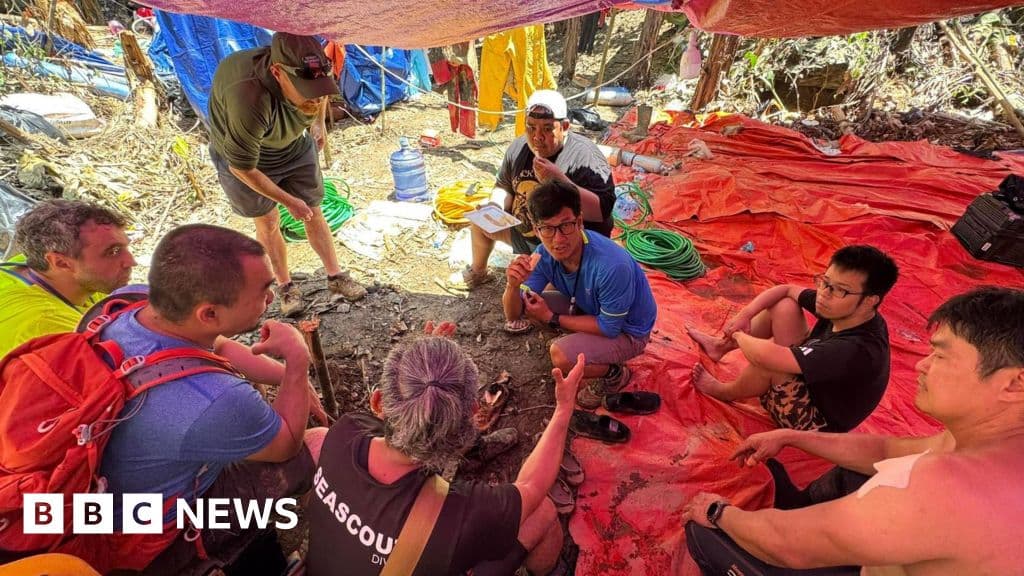
Survivors of the Laos cave rescue are aiding efforts to find the last two missing men trapped inside, sharing crucial insights for the search operation.
BBC World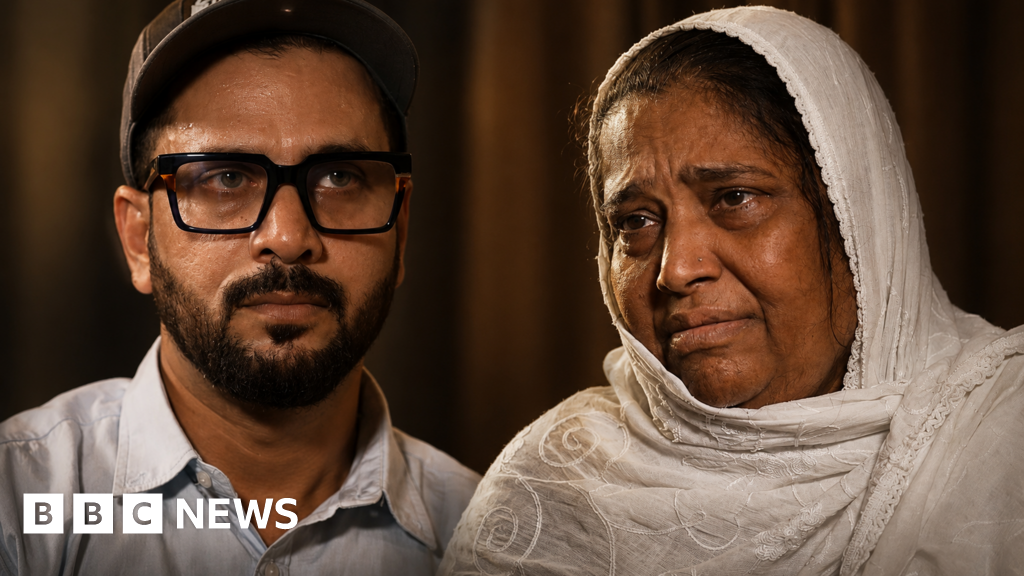
A year after the tragic Air India crash, the Ali family reflects on grief, unanswered questions, and the enduring bonds of love in the face of loss.
BBC Business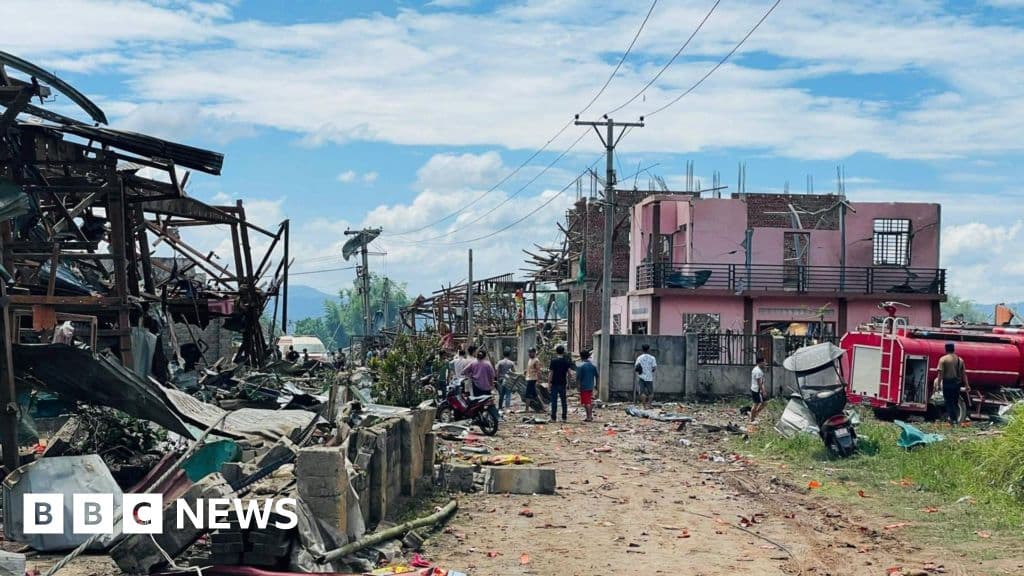
A devastating explosion in Myanmar's Kaung Tat village has killed at least 55 people, raising serious safety concerns and questions about civilian protection in conflict zones.
BBC World