
Image: BBC World
Estonia reports a NATO F-16 downed a drone, suspected of being redirected by Russia. Ukraine apologizes for the incident amid rising tensions.
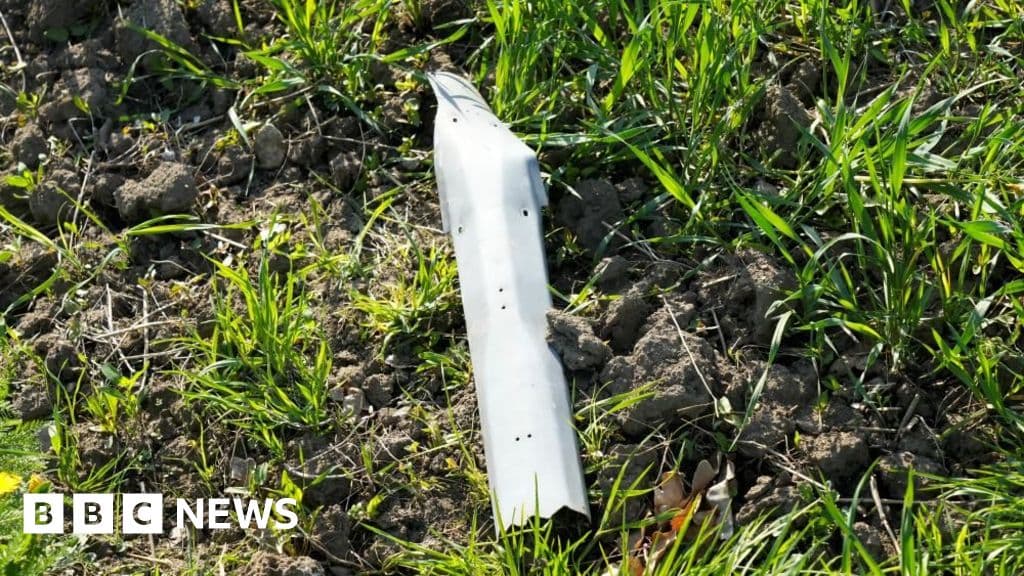
GlipzoIn a significant development within the context of ongoing tensions in Eastern Europe, Estonia announced that a NATO fighter jet was responsible for downing a drone suspected of being a Ukrainian projectile that had veered off course due to Russian electronic jamming. This incident took place on Tuesday, and the drone debris landed in a marshy region in central Estonia, with no reported damage to nearby structures.
The Estonian Defence Minister, Hanno Pevkur, confirmed that a Romanian F-16 fighter jet engaged the drone, which posed a potential threat even before entering Estonian airspace. Pevkur noted that the drone was identified early thanks to information received from Latvia.
“This incident highlights the complexities we face in the region,” Pevkur stated, emphasizing Estonia's commitment to safeguarding its airspace. As the drone was shot down shortly after 12:00 local time (09:00 GMT), the swift action by NATO forces illustrates the heightened state of alert among Baltic states in light of the ongoing conflict in Ukraine.
In the wake of this incident, Ukraine expressed its concern, suggesting that Russia was deliberately manipulating Ukrainian drones launched at “legitimate military targets” within its borders. Ukrainian officials apologized to Estonia and other Baltic nations for the unintended consequences of these drone incursions.
“We regret any unintended incidents caused by the redirection of our drones,” stated Heorhii Tykhyi, a spokesperson for Ukraine’s Foreign Ministry. He reiterated that the use of Russian airspace is a factor in these incidents, as Ukrainian military efforts continue to focus on targets within Russia.
This drone incident is part of a broader pattern of drone-related incursions affecting NATO member states, including Latvia and Lithuania. Just last week, Latvian Prime Minister Evika Silina resigned amid political turmoil related to drones straying into Latvian territory, a situation that has raised alarms about the security of these Baltic nations.
The pattern of drone incidents has not gone unnoticed. Earlier in the month, two Ukrainian drones struck an empty oil storage facility in Latvia, which Ukraine attributed to Russian electronic interference. Estonia and Latvia experienced similar drone incursions in March, raising concerns about the security environment in the region.
Moscow, on the other hand, has accused the Baltic states of facilitating Ukraine's military operations against Russian targets, a claim that has been vehemently denied by officials in Tallinn, Riga, and Vilnius. The tensions have escalated since Russian President Vladimir Putin initiated a full-scale invasion of Ukraine in 2022, leading to increased NATO military presence in Eastern Europe.
Local media outlets quickly reported on the drone incident, with photographs of the drone wreckage emerging shortly thereafter. The drone reportedly crashed into a forest, landing approximately 30 meters (98 feet) from the nearest residential building. A local resident recounted the event, stating, “There was a loud bang, and I saw the drone fall from the sky.”
Defence Minister Pevkur confirmed that there was no risk to the public, emphasizing that Estonia had not authorized any airspace usage by Ukraine or other non-NATO entities. “Estonia has not granted permission to use its airspace to anyone other than its allies,” he asserted.
As the situation evolves, the Baltic states are increasingly on edge, fearing that Moscow may be orchestrating provocations to test NATO’s resolve. Russia’s Foreign Intelligence Service (SVR) recently claimed that Ukraine was planning drone strikes against Russian targets using bases in Estonia, Latvia, and Lithuania. However, these allegations have been dismissed as disinformation by Latvian officials.
In response to the rising tensions, NATO allies have been reinforcing their military presence in the region. Last year saw an increase in troop deployments and air support, reflecting a collective commitment to counter any potential threats posed by Russia.
In summary, the incident over Estonia is a stark reminder of the ongoing geopolitical complexities in Eastern Europe. As NATO and Baltic nations navigate these challenges, continued vigilance and cooperation among allies will be crucial in maintaining security and stability in the region. The world will be watching closely as events unfold, and the response from both NATO and Ukraine will be pivotal in shaping the future of security in Eastern Europe.

Survivors of the Laos cave rescue are aiding efforts to find the last two missing men trapped inside, sharing crucial insights for the search operation.
BBC World
A year after the tragic Air India crash, the Ali family reflects on grief, unanswered questions, and the enduring bonds of love in the face of loss.
BBC Business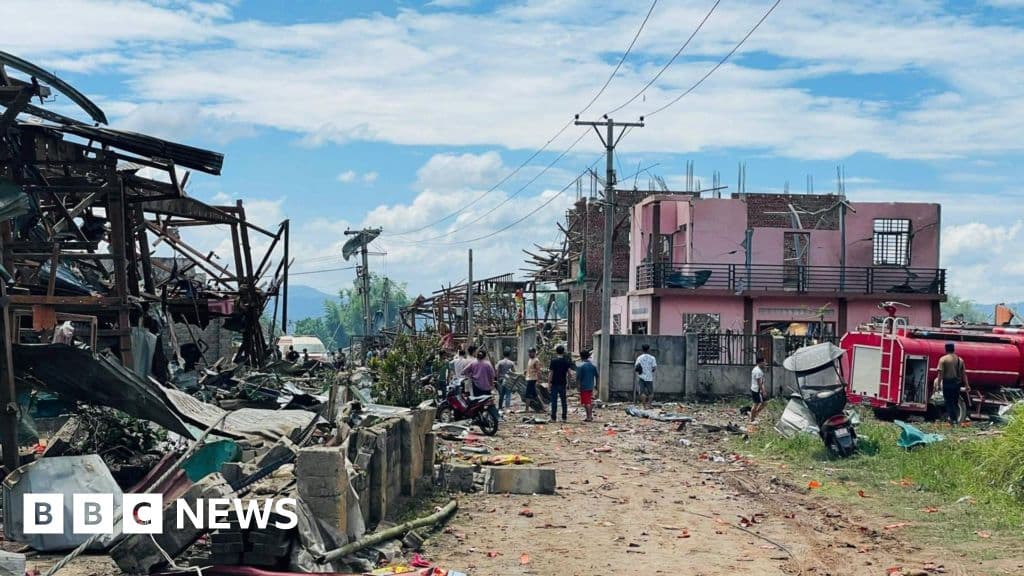
A devastating explosion in Myanmar's Kaung Tat village has killed at least 55 people, raising serious safety concerns and questions about civilian protection in conflict zones.
BBC World