
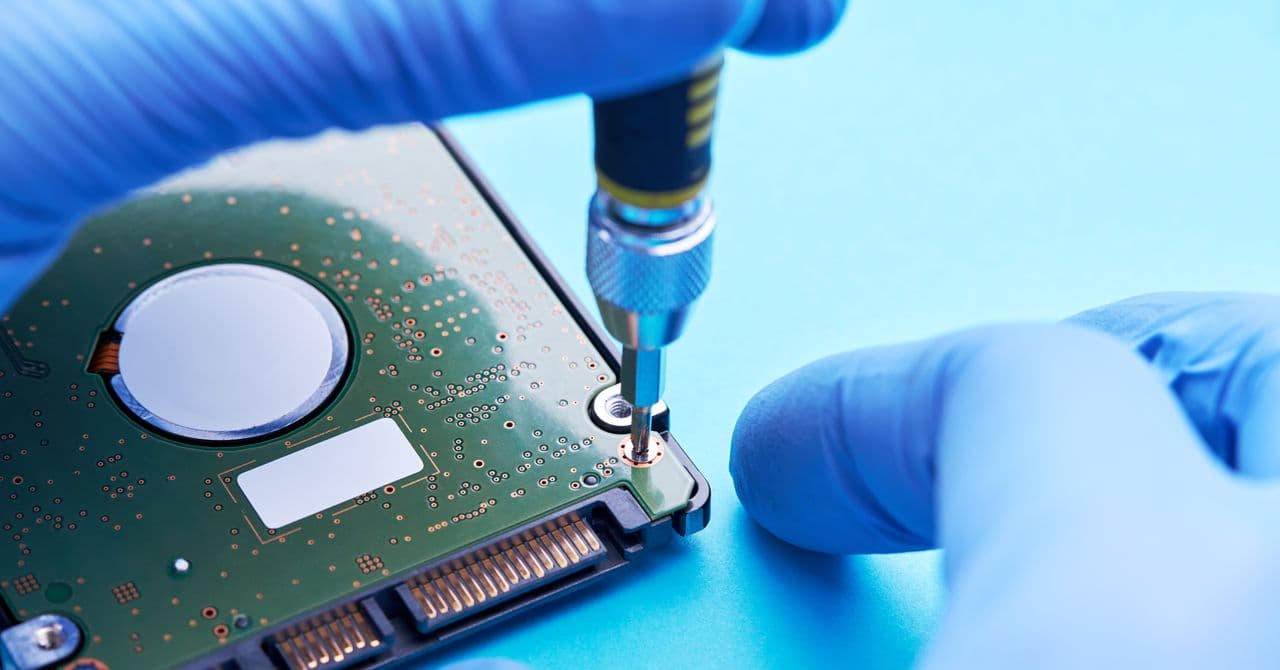
Image: Wired
Discover how to save money and the planet by buying used or refurbished electronics. This guide offers tips, terminology, and best places to shop.
GlipzoIn an age where technology evolves rapidly, purchasing used or refurbished electronics can be a smart choice for both your wallet and the environment. By opting for secondhand devices, you can significantly reduce your carbon footprint and contribute to sustainability efforts. This comprehensive guide will equip you with the knowledge you need to navigate the refurbished electronics market, ensuring you score the best deals while avoiding common pitfalls.
The term refurbished can be ambiguous, as there is no universal legal definition. Sellers may use various terms such as pre-loved, secondhand, or reconditioned. Generally, refurbished items have been tested, cleaned, and possibly repaired before being resold. However, to ensure you understand what you’re buying, it’s crucial to check the fine print of the seller's description.
When shopping for refurbished electronics, you might find the following conditions: - Open-box: Items returned without being used. - Certified refurbished: Devices tested and certified by the manufacturer. - Used: Devices previously owned without any guarantees of refurbishment.
A clear understanding of these terms will help you make informed decisions and avoid devices that may not meet your expectations.
Finding a reputable seller is essential when buying refurbished electronics. Here are some tips to help you identify trustworthy sources: - Research Seller Reputation: Look for reviews and ratings from previous customers. - Warranty and Return Policies: Ensure the seller offers a reasonable warranty and a clear return policy. - Transparency in Listings: Sellers should provide detailed descriptions, including any defects or repairs made.
Additionally, it’s advisable to ask questions before making a purchase. If anything seems unclear, clarifying with the seller can prevent future disappointments.
While purchasing refurbished electronics can save you money, it's important to weigh the pros and cons. Here’s a quick overview:
When deciding whether to purchase a refurbished item, consider if it meets your needs, especially regarding software updates and overall functionality.
Purchasing refurbished electronics doesn’t come without risks. To safeguard your investment: - Use a Credit Card: This provides better chargeback protection compared to third-party payment services. - Check Consumer Protection Laws: Familiarize yourself with laws like the Fair Credit Billing Act in the U.S. or Section 75 in the U.K., which offer protections for consumers. - Inspect Upon Arrival: If possible, test devices thoroughly as soon as you receive them.
If you notice any issues, report them immediately within the seller's return window and keep all original packaging until you’re satisfied.
Once you've received your refurbished electronics, there are a few steps you should take before full usage: 1. Update Software: Ensure that all software and firmware are up to date. 2. Factory Reset: If applicable, perform a factory reset to remove any previous owner's data. 3. Test Functionality: Check all features to ensure they work as advertised.
Taking these steps helps maximize your device's performance and longevity.
Navigating the refurbished electronics marketplace can be daunting, so here are some recommended places to start your search: - Manufacturer Websites: Brands like Apple, Dell, and Lenovo offer certified refurbished devices with warranties. - Reputable Retailers: Stores like Best Buy and Amazon have sections dedicated to refurbished products. - eBay: Look for seller outlets that specialize in refurbished electronics.
Keep an eye out for seasonal sales or discounts to snag the best deals on refurbished gadgets.
Choosing to buy refurbished electronics not only saves you money but also contributes to a more sustainable future. The production and disposal of electronic devices have significant environmental impacts, including resource depletion and pollution. By opting for secondhand items, you play a vital role in reducing electronic waste and promoting a circular economy.
As consumer awareness of environmental issues grows, the market for refurbished electronics is likely to expand. Expect to see more retailers offering certified refurbished options and increased transparency about product conditions. Keeping an eye on this evolving landscape can help you make informed decisions and find even greater savings in the future. Embracing used and refurbished electronics is not just a smart financial move—it's a step towards a more sustainable world.
In conclusion, by understanding the nuances of refurbished electronics and being proactive in your purchasing strategy, you can enjoy the benefits of technology while contributing to environmental sustainability.

Nvidia's new RTX Spark chip aims to transform personal computing with AI, marking a significant shift in technology. Discover what this means for consumers.
BBC Business
The explosion of Blue Origin's New Glenn rocket raises significant concerns over NASA's lunar ambitions and the future of Amazon's satellite projects. Discover the implications.
BBC Science
Discover how Meta's lack of engagement on user bans raises critical concerns about accountability and transparency in social media governance.
BBC Technology