
Image: BBC World
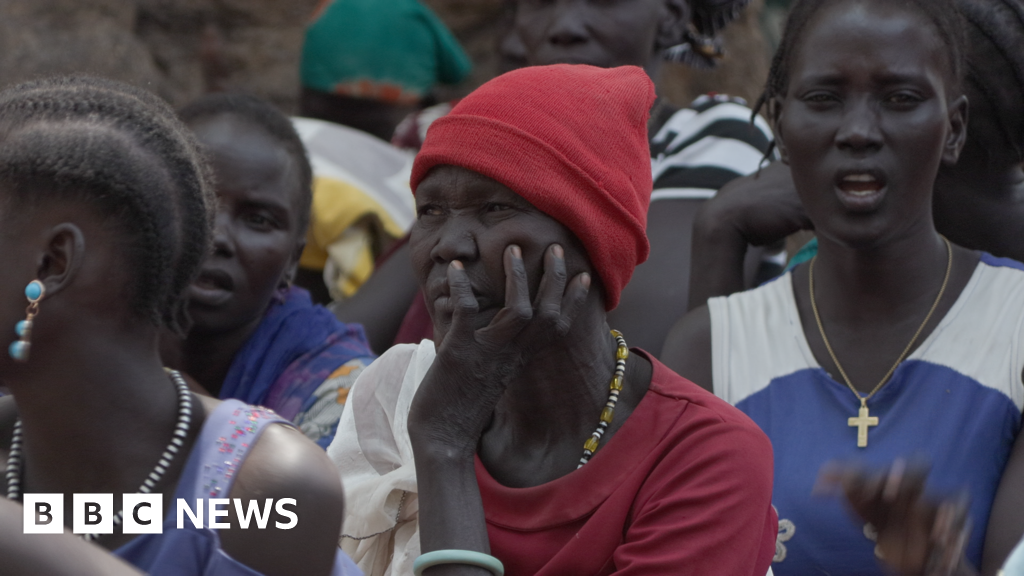
Violence in South Sudan's Jonglei state escalates, displacing thousands as fears of civil war resurface. What does this mean for the country's future?
GlipzoIn a chilling resurgence of violence, thousands of residents are fleeing the town of Akobo and surrounding areas in Jonglei state, South Sudan. The government has ramped up military operations against its opponents, sparking fears of a return to full-scale civil war in the world's youngest nation.
The United Nations has issued grave warnings regarding the potential for renewed conflict, as the military's aggressive actions threaten to destabilize an already fragile region. Families like that of Nyawan Koang, a 30-year-old mother, are caught in the crossfire, escaping armed confrontations that have turned their lives upside down.
Nyawan and her five children trekked for two days to reach the relative safety of a dusty village called Duk. They fled from Ayod, a remote pastoralist county where armed skirmishes between government forces and opposition groups have escalated since the start of the year. "We were [wedged] between two forces: the SPLA-IO and the government. And their bullets kill us," Nyawan recounted, highlighting the dire circumstances many families face in South Sudan.
At the heart of this conflict lies a power struggle between President Salva Kiir and First Vice-President Riek Machar, whose forces, the Sudan People's Liberation Army in Opposition (SPLA-IO), are attempting to seize control of strategic territories. Machar, who has been under house arrest for a year on charges including murder and treason, has denied all allegations. The tension between the two leaders has only intensified, with ethnic divisions complicating the political landscape further.
As SPLA-IO forces advance, they have left a devastating trail of destruction in their wake, with entire villages torched and civilian casualties mounting. The government, determined to reclaim lost ground, has responded with a military surge, intensifying attacks against rival positions. Unfortunately, civilians have not only become collateral damage but, in many instances, deliberate targets.
Nyawan's family is one of the many who have suffered. She lost both her parents in an airstrike that obliterated their thatched-roof home. "Fire came from the sky and burned them," she mourned, encapsulating the horror of a conflict that continues to claim innocent lives.
The ongoing violence has displaced over 280,000 people, with many seeking refuge in makeshift camps like Duk, where humanitarian organizations are working tirelessly to provide food, medical care, and other essentials. However, the situation remains dire, with many families struggling to survive amid the chaos.
The historical context of this violence is troubling. The conflict began in 2013, just two years after South Sudan achieved independence from Sudan. Although a peace agreement was signed in 2018, which aimed to end a civil war that claimed nearly 400,000 lives, implementation has been sluggish, and ethnic tensions continue to flare.
The United Nations has reported alarming figures, including 189 civilian deaths in January alone due to the renewed hostilities. Volker Türk, head of the UN human rights body, emphasized that civilians are bearing the brunt of indiscriminate attacks, including aerial bombardments and deliberate killings. "Civilians are bearing the brunt of a spike in indiscriminate attacks including aerial bombardments, deliberate killings, abductions, and conflict-related sexual violence," Türk stated.
As government and SPLA-IO forces clash, innocent civilians like Nyawan are often left in precarious situations. With no clear distinction between combatants and non-combatants, many find themselves caught in brutal crossfire. Ateny Wek Ateny, South Sudan’s Information Minister, acknowledged the complexities of warfare, stating, "There's no army in the world that actually fought without civilians being caught in the crossfire."
While Ateny insists that the government is taking measures to protect civilians, the grim reality suggests that many are still vulnerable. Reports have surfaced indicating that some attacks appear to be intentional, with over 20 civilians, including women and the elderly, reportedly executed by government soldiers in Ayod during the last week of February.
As the situation escalates in South Sudan, the path forward remains uncertain. With political tensions running high and violence continuing to wreak havoc on civilian lives, there is an urgent need for diplomatic intervention and a renewed commitment to peace.
The international community must closely monitor developments in South Sudan to prevent a complete breakdown into civil war. Humanitarian organizations are stretched thin, and the need for assistance is critical as the conflict shows no signs of abating.
What to Watch For: - The effectiveness of international diplomatic efforts to broker peace. - The humanitarian response and its ability to address the growing needs of displaced populations. - Potential shifts in political alliances, particularly concerning the future of Riek Machar and the SPLA-IO.
As South Sudan teeters on the brink of civil war once again, the world watches and waits, hoping for a resolution to a conflict that has already cost so many lives.
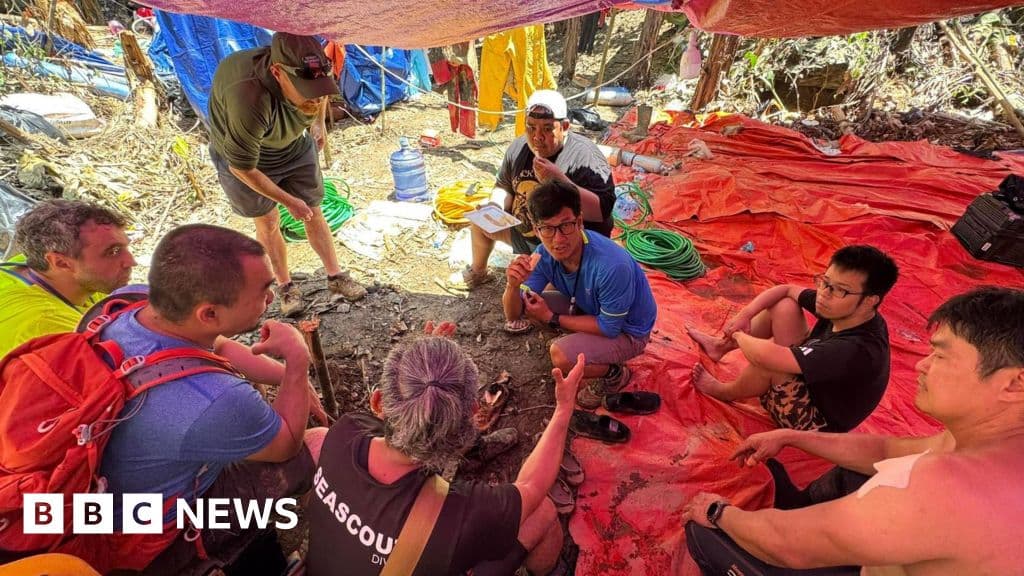
Survivors of the Laos cave rescue are aiding efforts to find the last two missing men trapped inside, sharing crucial insights for the search operation.
BBC World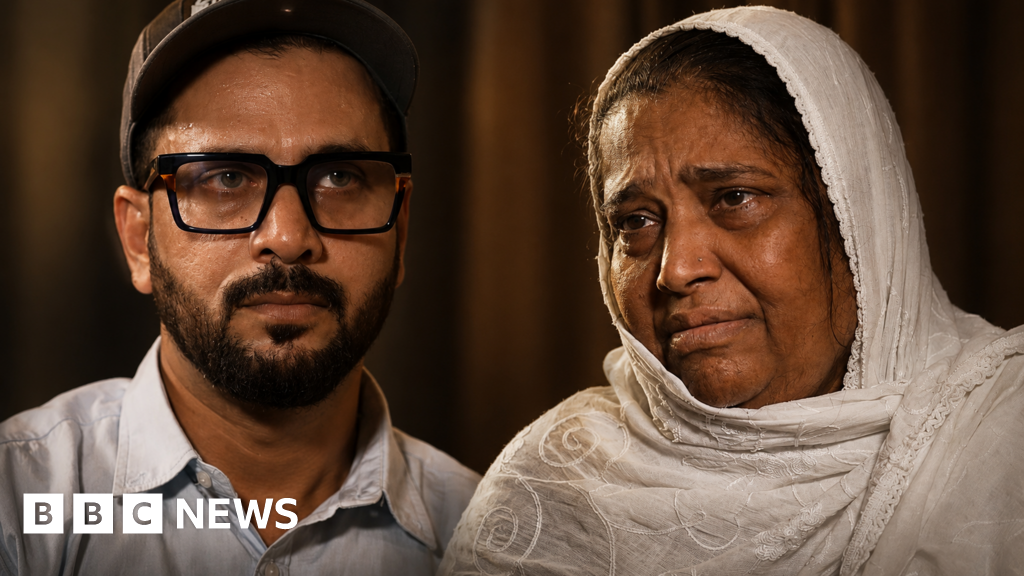
A year after the tragic Air India crash, the Ali family reflects on grief, unanswered questions, and the enduring bonds of love in the face of loss.
BBC Business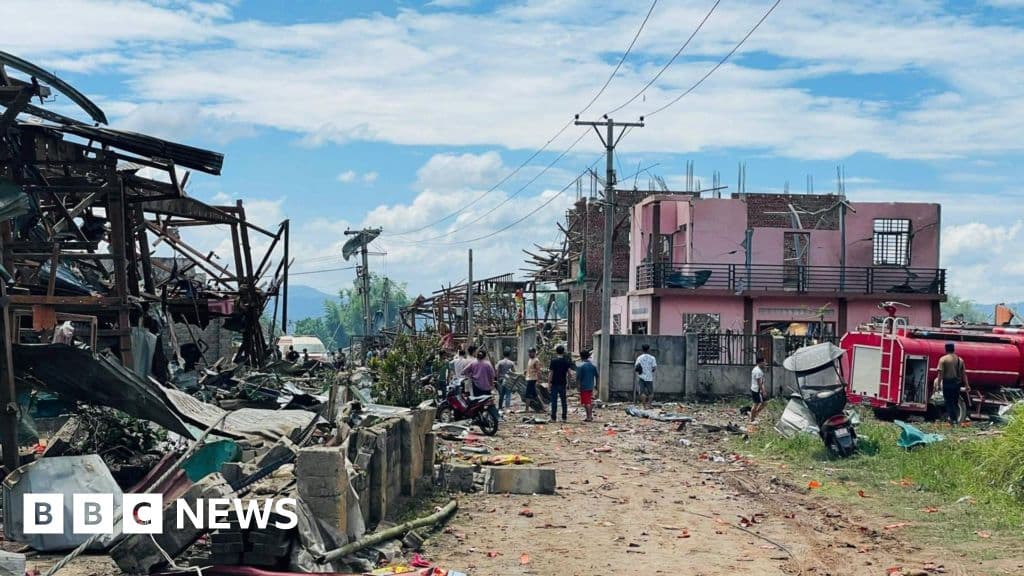
A devastating explosion in Myanmar's Kaung Tat village has killed at least 55 people, raising serious safety concerns and questions about civilian protection in conflict zones.
BBC World