
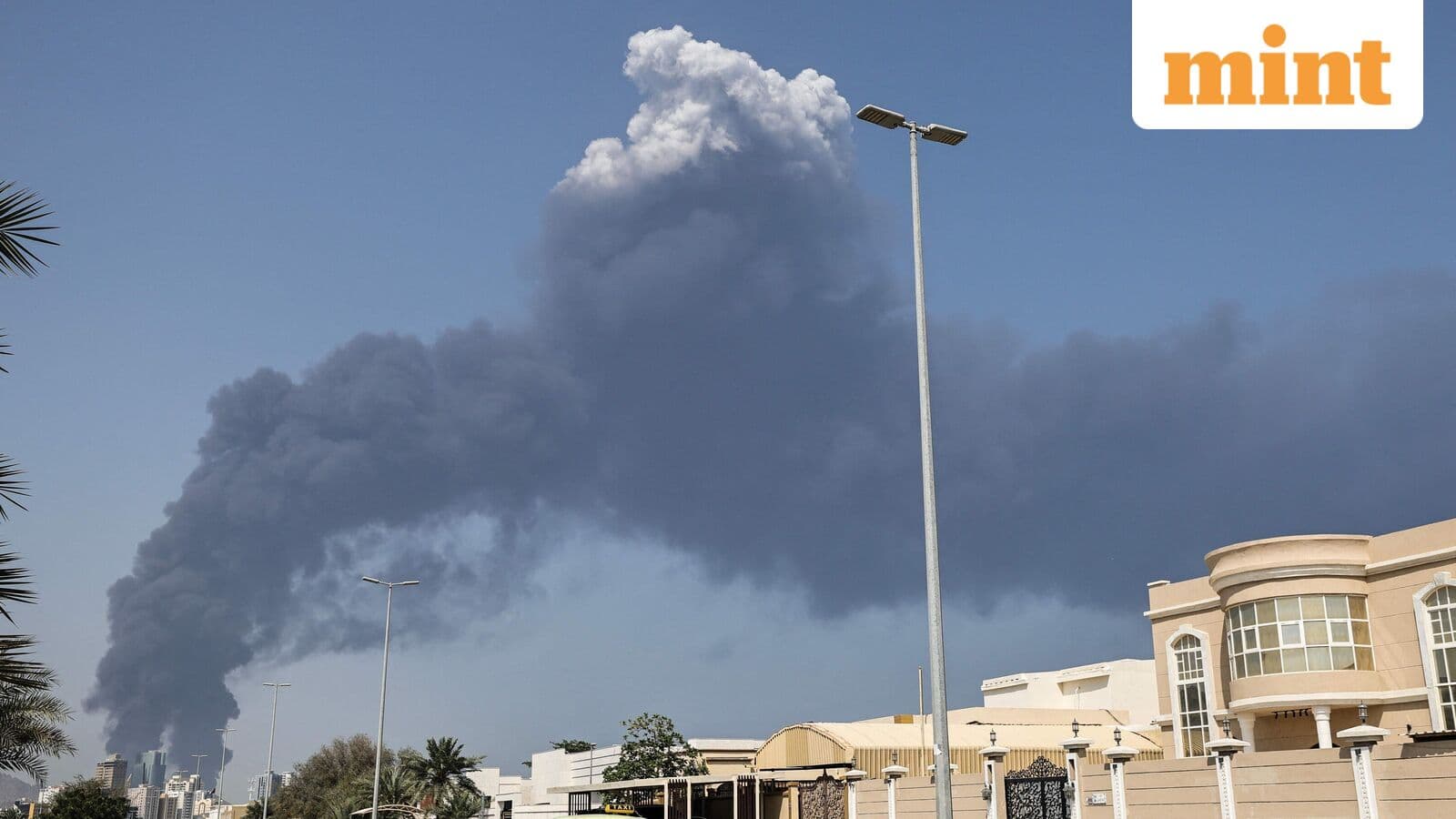
Image: Mint (Business)
UAE denounces Iran's strikes on gas facilities as dangerous escalation amidst rising tensions and soaring oil prices. What’s next for the region?
GlipzoOn Thursday, the United Arab Emirates (UAE) expressed strong condemnation of Iran’s missile strikes targeting its Habshan gas facility and Bab field, labeling these actions as a "dangerous escalation". This statement comes amidst a growing conflict involving the United States and Israel against Iran, as reported by the Associated Press. The UAE's denunciation highlights the rising stakes in a region already fraught with tension, especially as Iran issues evacuation warnings for oil and gas sites in neighboring Saudi Arabia, the UAE, and Qatar.
Iran's retaliatory strikes seem to be a response to earlier attacks on its energy infrastructure, particularly in the South Pars and Asaluyeh regions. As the conflict deepens, concerns over the stability of the energy sector in the Persian Gulf are escalating, resulting in a significant rise in global oil prices, which surged by 5% to exceed $108 per barrel. This price increase has profound implications, as it places additional strain on the global economy and raises consumer fuel costs.
The repercussions of this conflict are being felt beyond the Middle East, with global oil prices experiencing a dramatic rise. The increase follows reports of an attack on the Pars gas field, raising alarms about potential Iranian retaliation against energy infrastructure across the Gulf. Since the onset of hostilities on February 28, Iran has actively targeted oil facilities in the region, significantly disrupting the Strait of Hormuz, a critical maritime route through which approximately one-fifth of global oil supply transits.
In the midst of this turmoil, Iran has not only targeted Gulf energy installations but has also escalated its military actions by launching drones and missiles toward Israel. The Human Rights Activist News Agency (HRANA) recently reported that the conflict has resulted in 3,114 deaths in Iran, including 1,354 civilians, among them 207 children. Meanwhile, U.S. military reports indicate that 13 service members have lost their lives, with around 200 others sustaining injuries.
In a robust response to Iran's aggression, the Saudi Foreign Minister stated that the kingdom reserves the right to take military action against Iran, marking a significant shift in the region's diplomatic landscape. Trust between Riyadh and Tehran has been severely compromised following Iranian ballistic missile strikes targeting Saudi territory. This erosion of trust adds another layer of complexity to an already volatile situation.
As oil prices continue to rise, the Trump Administration is exploring measures to increase global oil supply, including easing sanctions on Venezuela. This strategic move allows U.S. companies to engage with the country’s state-owned oil and gas sector in a bid to stabilize the market. Such actions reflect the administration's urgent need to address soaring oil prices and their broader economic consequences.
In another front, Japanese Prime Minister Sanae Takaichi faced pressure from the U.S. to assist in reopening the Strait of Hormuz. However, she has been cautious, emphasizing Japan’s pacifist constitution while navigating the complexities of international relations. She remarked, "In accordance with Japan's laws, what we can do, we will do; what we cannot do, we will not do. I intend to make that very clear." This statement underscores Japan's delicate position in a conflict that it did not initiate but is significantly impacted by.
Amid these escalating tensions, Qatar has also found itself drawn into the conflict. Following Israeli strikes on Iran’s South Pars field, which is shared with Qatar, the Gulf nation responded by instructing Iranian embassy officials to leave the country within 24 hours. This move signifies Qatar's attempt to distance itself from Iranian actions, further complicating the regional diplomatic landscape.
Simultaneously, the UAE reported that its gas operations were halted following interceptions over the Habshan and Bab facilities, emphasizing the immediate operational impacts of Iran's military actions. The UAE's condemnation of Iran’s strikes as a “dangerous escalation” reinforces a united front among Gulf nations against perceived Iranian aggression.
As the situation unfolds, the region remains on high alert. The likelihood of further Iranian retaliation against Gulf energy infrastructure could lead to even more drastic increases in oil prices and heightened military response from the U.S. and its allies. Stakeholders must watch for:
The situation in the Middle East is critical, and the coming days and weeks will be pivotal in determining the trajectory of the conflict and its subsequent impact on global stability.
Why It Matters: The ongoing conflict not only threatens regional stability but also poses serious implications for global energy security and economic health. Understanding these dynamics is crucial as they influence everything from gas prices at the pump to international diplomacy and military strategies. With tensions rising, the world is closely monitoring the situation to gauge its impact on global markets and safety.
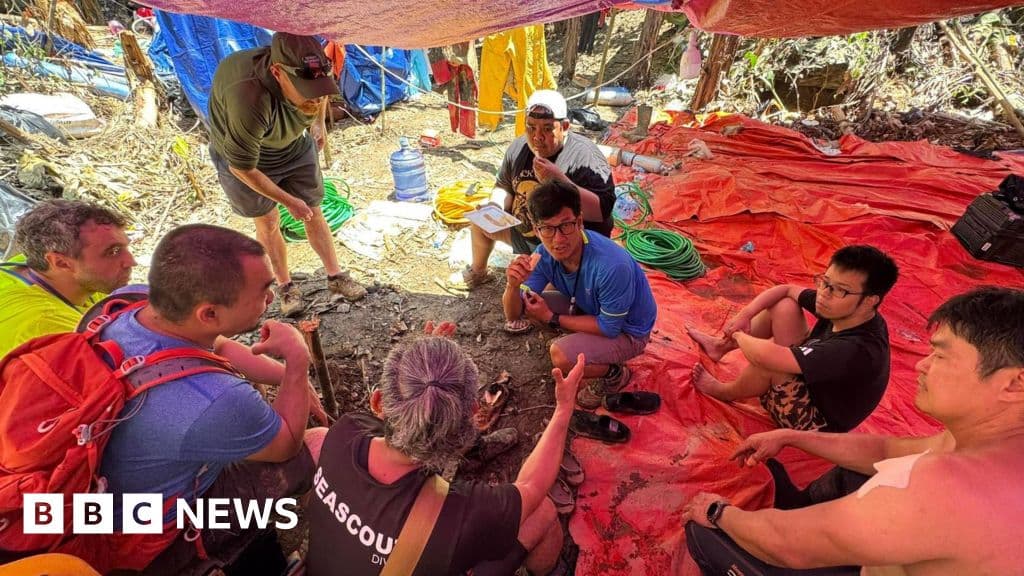
Survivors of the Laos cave rescue are aiding efforts to find the last two missing men trapped inside, sharing crucial insights for the search operation.
BBC World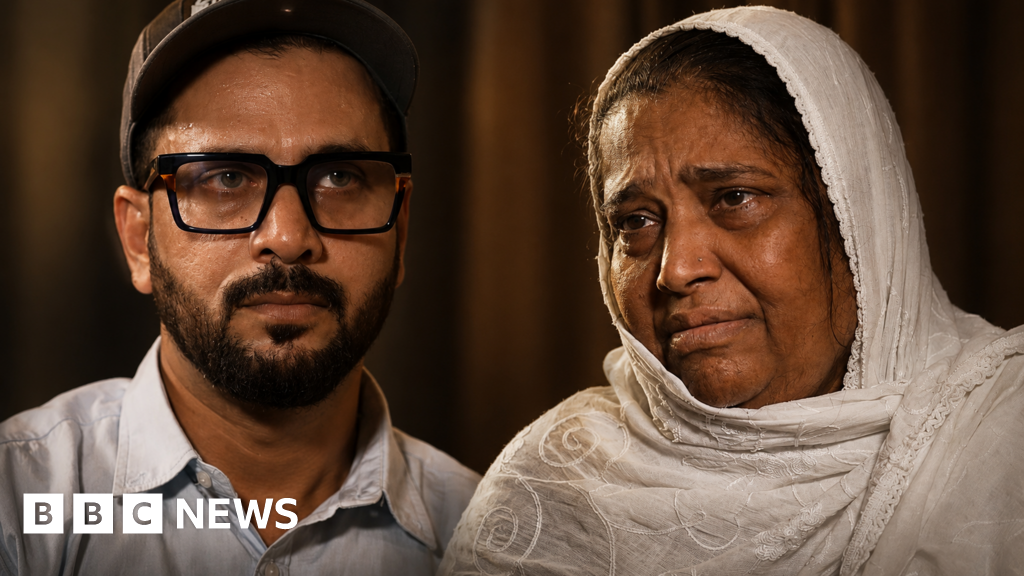
A year after the tragic Air India crash, the Ali family reflects on grief, unanswered questions, and the enduring bonds of love in the face of loss.
BBC Business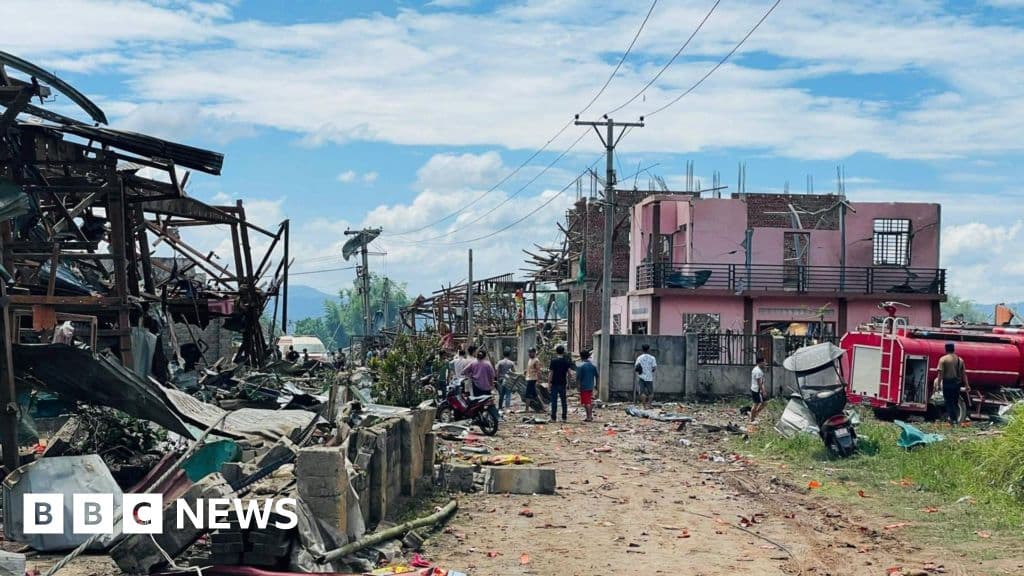
A devastating explosion in Myanmar's Kaung Tat village has killed at least 55 people, raising serious safety concerns and questions about civilian protection in conflict zones.
BBC World