
Image: The Hindu
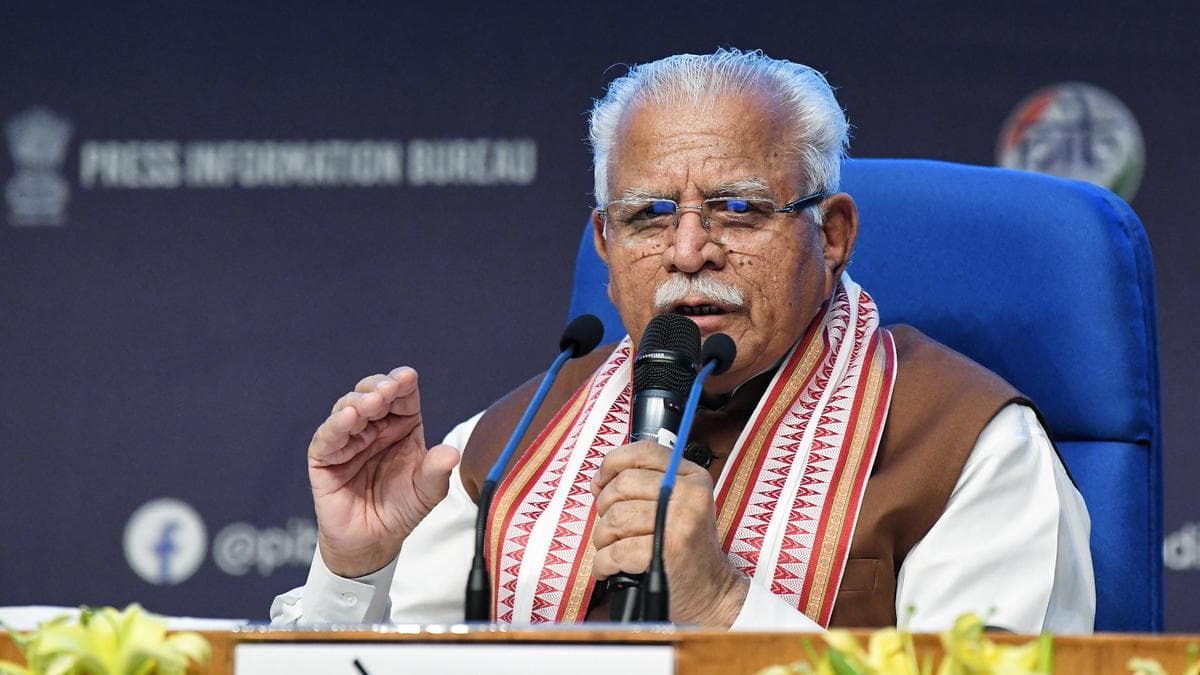
As global tensions rise, India's Power Minister Manohar Lal emphasizes the urgent need for energy security and renewable sources at the Bharat Electricity Summit.
GlipzoOn March 20, 2026, Union Power Minister Manohar Lal emphasized the critical importance of energy security in light of escalating geopolitical tensions around the globe. Speaking at the Bharat Electricity Summit 2026, he underscored the necessity for collaborative efforts between the central government and state authorities to ensure that power generation, transmission, and distribution remain both affordable and efficient.
In a world increasingly fraught with uncertainties, Lal's remarks resonate deeply with the challenges facing energy sectors worldwide. He stated, "We must enhance per capita energy consumption and accelerate our transition towards renewable energy sources. This is not just a goal; it is essential for our nation's future." This commitment to bolstering energy security is particularly significant given the backdrop of conflicts like the Iran-Israel war, which threaten global energy supply chains.
During the summit, Lal also extolled the virtues of nuclear energy as a clean and sustainable energy source. He referred to the SHANTI Act as a pivotal advancement in India's energy strategy, marking a substantial step towards harnessing nuclear power safely and effectively. The SHANTI Act aims to streamline regulations and promote investment in nuclear technology, which is viewed as a game-changer for India’s energy independence.
The Minister of State for New and Renewable Energy, Shirpad Naik, co-chaired the meeting, reinforcing the government's commitment to diversifying India's energy portfolio. As the country seeks to reduce its dependency on fossil fuels, the focus on renewables and nuclear energy is expected to play a critical role in achieving sustainable development goals.
In addition to discussing energy security, Minister Lal unveiled two important reports: the Consumer Service Ratings of DISCOMS (CSRD) and the Distributing Utilities Ranking (DUR) for the fiscal year 2024-25. These reports are designed to enhance transparency and accountability within power distribution companies (DISCOMS), which are often criticized for their service quality.
The CSRD report evaluates DISCOMS based on several performance metrics such as: - Prompt and accurate metering and billing - Timely grievance redressal procedures - Fair and transparent tariff-setting practices
These criteria are intended to set a baseline for consumer expectations and ensure that power utilities operate with greater efficiency. The DUR report takes a broader approach, providing a multi-dimensional assessment of power distribution utilities. It focuses on several key areas, including: - Institutional capability - Financial sustainability - Operational efficiency - Service delivery outcomes
By adopting these comprehensive evaluation frameworks, the Ministry aims to foster competition among DISCOMS and improve the overall quality of service provided to consumers.
As global tensions rise, ensuring energy security is no longer just a national priority but a matter of economic stability and public safety. The recent geopolitical events have reminded countries of the vulnerability of their energy supplies, making it crucial for nations like India to invest in diverse energy sources.
The ongoing transition towards renewable energy and the strategic development of nuclear power not only address environmental concerns but also enhance national security. By reducing reliance on imported fossil fuels, India can better shield itself from global price fluctuations and supply disruptions.
Moreover, with the government aiming to increase the share of renewables to 50% by 2030, the spotlight on energy security could catalyze further investments in technology and infrastructure.
As the world watches how nations navigate their energy futures amidst turmoil, India’s proactive approach in strengthening its energy security will be pivotal. The success of initiatives like the SHANTI Act and the focus on improving DISCOM performance will determine not only the energy landscape in India but also its economic resilience.
Future developments to watch include: - Progress on the SHANTI Act and its implications for nuclear energy expansion - The impact of the CSRD and DUR reports on consumer satisfaction and service quality - Collaborative efforts between the central and state governments to enhance renewable energy initiatives
By prioritizing energy security, India is setting a course that could serve as a model for other nations grappling with similar challenges in the face of global uncertainty.
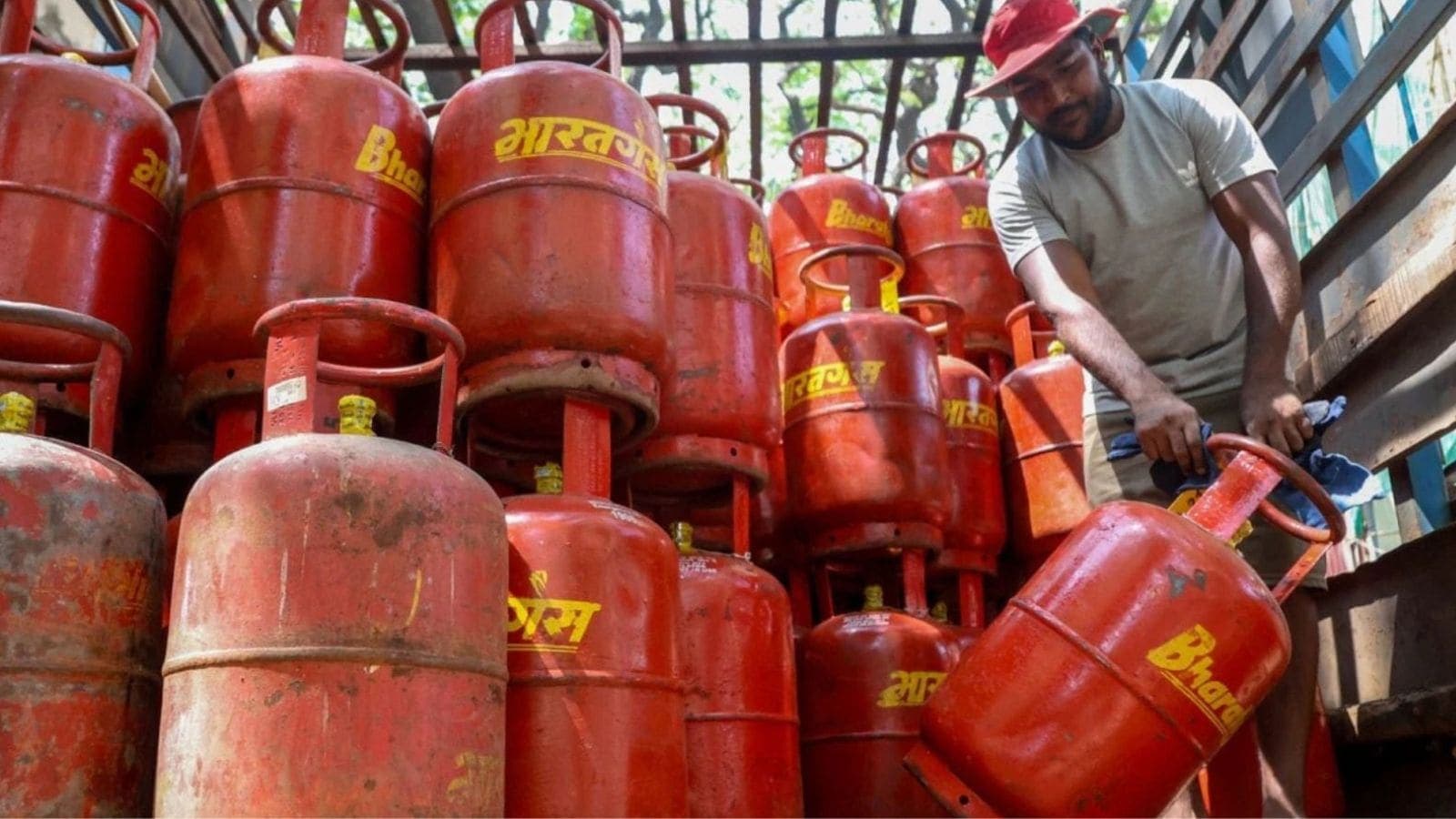
Commercial LPG prices have risen again, with increases of ₹42 in Delhi and ₹53.50 in Kolkata impacting businesses and consumers alike. Find out more.
Indian Express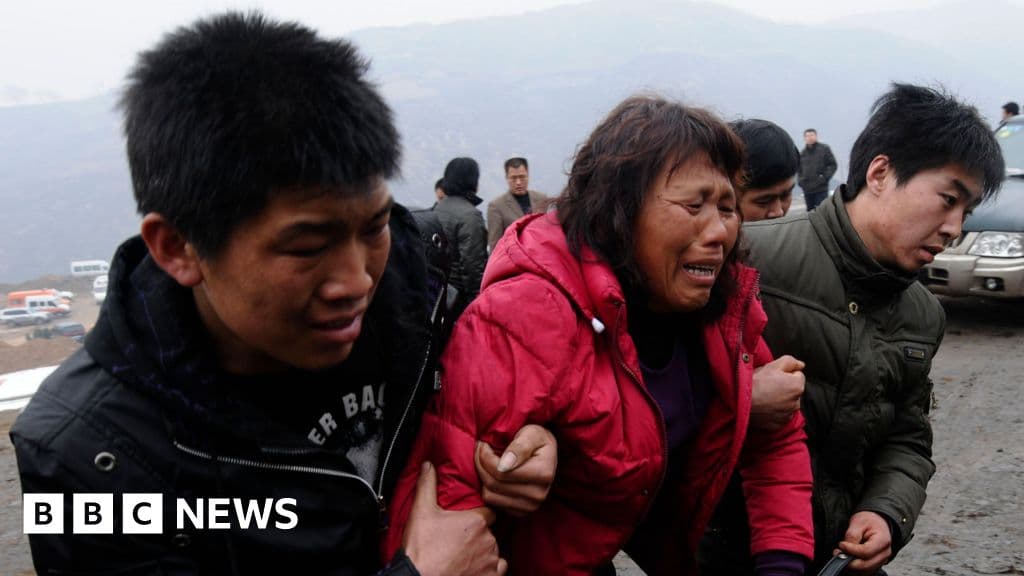
Discover how a tragic coal mine explosion in Shanxi, China, reveals ongoing safety concerns in the industry amidst a push for green energy.
BBC Business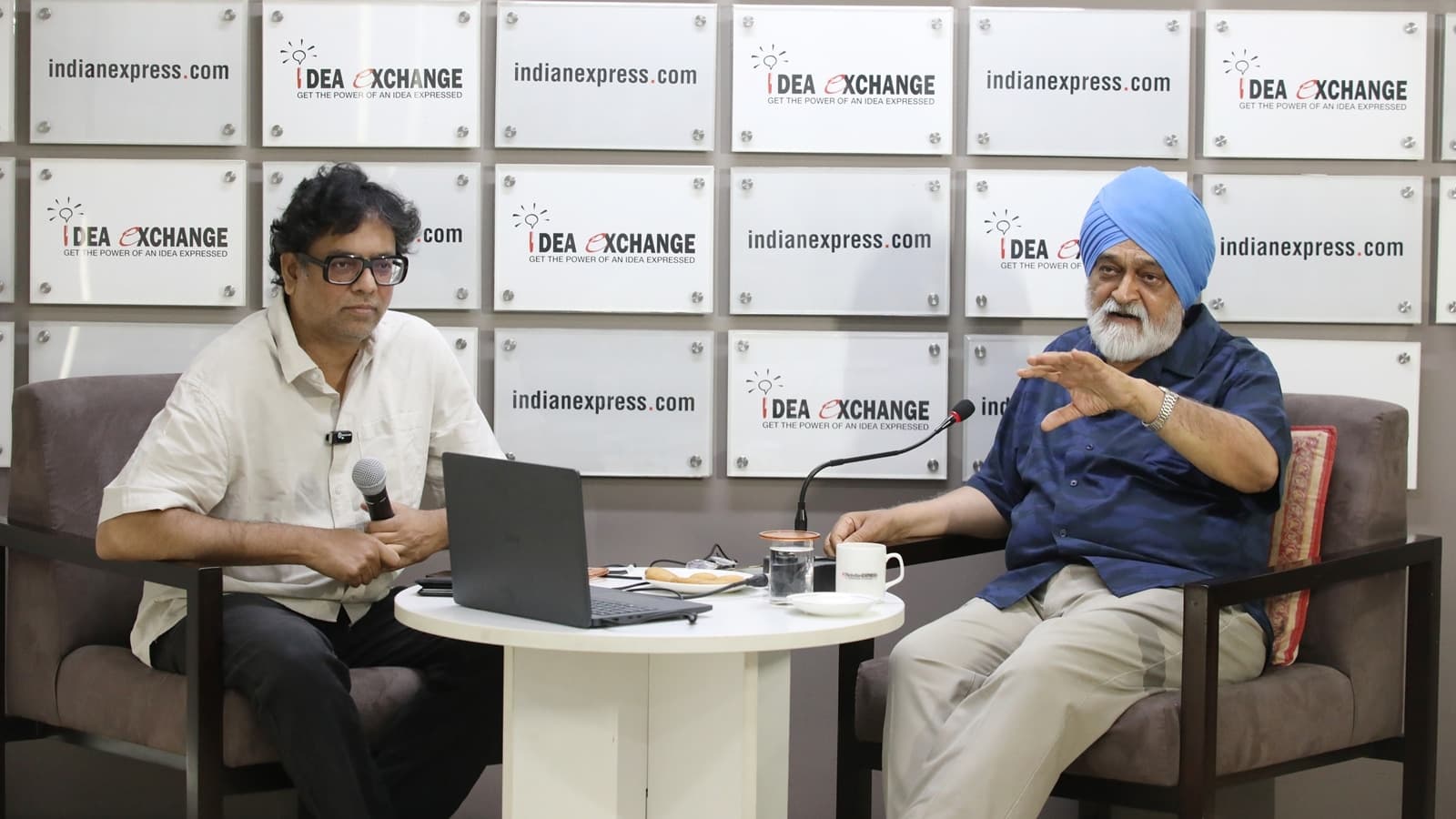
Montek Singh Ahluwalia highlights key economic challenges for India, emphasizing the need for a strategic approach to balance payments and investment.
Indian Express