
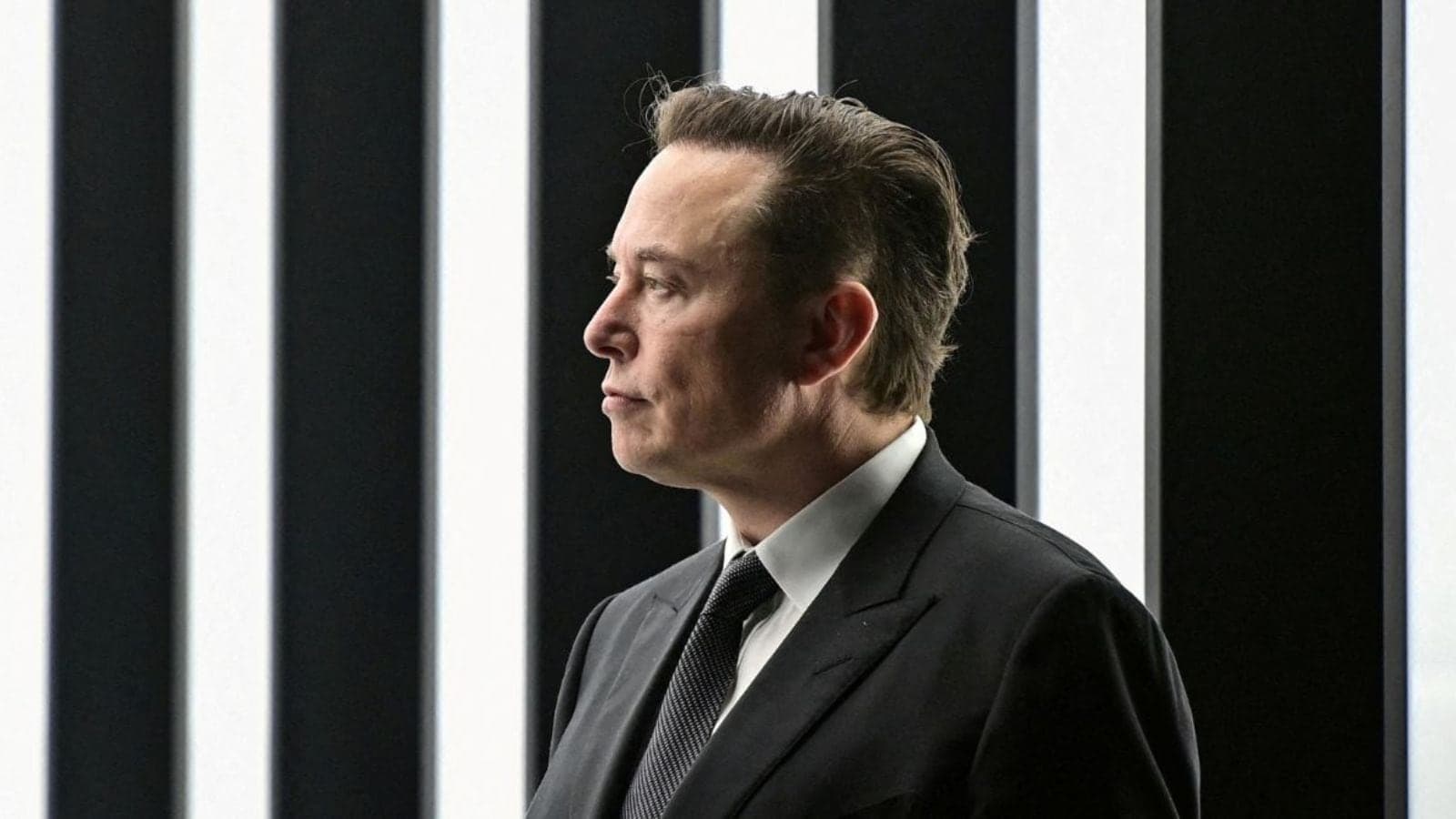
Image: Indian Express
Elon Musk's testimony reveals a deep concern for AI ethics and charity, challenging OpenAI's direction and its leadership's commitment to public good.
GlipzoIn a dramatic courtroom showdown, Elon Musk has taken the stand in Oakland, California, for a trial that could redefine the future of OpenAI. Over three days and more than seven hours of testimony, Musk is not just defending his interests but also taking a stand for what he believes should be the core mission of artificial intelligence: charity. This legal battle pits Musk against OpenAI's CEO Sam Altman and President Greg Brockman, as he alleges they have strayed from their founding commitment to serve humanity.
Musk, the renowned CEO of Tesla and SpaceX and currently the world's wealthiest individual, considers himself a victim of betrayal—by both the company he helped establish and its leadership. He claims that Altman and Brockman have abandoned the original vision of OpenAI, which he insists was to operate as a nonprofit entity dedicated to the greater good.
Musk’s assertions bring into focus a crucial point: the 2015 blog post announcing the formation of OpenAI does not mention the word “charity.” In stark contrast, Musk describes the organization as having a charitable mission, emphasizing that it was never meant to profit any individual.
> “It was specifically meant to be for a charity that does not benefit any individual person. I could’ve started it as a for-profit and I specifically chose not to,” Musk testified during the trial.
He argues that the efforts to build a top-notch AI research lab required not only financial resources but also access to elite talent, which he claims he facilitated. Musk pointed to his pivotal role in recruiting key figures, stating: - He brought Ilya Sutskever, a prominent AI researcher, from Google. - He provided initial funding and support to form the organization.
Musk’s recruitment efforts were not without consequences. He recounted how his dealings with Google’s founders, Larry Page and Sergei Brin, soured after he made the decision to launch OpenAI. "After I recruited Ilya to OpenAI, Larry Page refused to speak to me ever again," Musk revealed, highlighting the tension that arose from his departure from the tech giant.
In his testimony, Musk also delved into AI safety concerns, revealing troubling conversations with Page, who allegedly expressed indifference towards the potential consequences of AI. Musk recounted: > “I said, ‘What if AI wipes out all humans?’ He said that would be fine so long as artificial intelligence survives.”
This chilling exchange reportedly fueled Musk's commitment to establish OpenAI as an alternative to corporate AI models that prioritize profit over safety. Musk articulated his rationale for founding OpenAI, stating: > “The reason OpenAI exists is because Larry Page called me a ‘speciesist.’”
Musk also confronted the implications of a $10 billion investment from Microsoft into OpenAI, describing it as a “bait and switch.” This investment raised alarms for Musk, who believed it compromised the organization’s integrity. He shared a text message with Altman where he expressed his discomfort, to which Altman replied: > “I agree this feels bad.”
The cross-examination process proved to be a high-pressure environment for Musk, as William Savitt, representing OpenAI, posed challenging questions. Musk accused Savitt of crafting tricky inquiries, leading to a heated exchange where the judge had to intervene. Musk expressed frustration, stating: > “Few answers are going to be complete especially when you cut me off all the time.”
Additionally, pre-trial tension arose as Musk's legal team sought to involve discussions about the extinction risk of AI, a matter OpenAI opposed. Musk’s lawyer, Steven Molo, emphasized the seriousness of these concerns, stating: > “Extinction risk is a real problem. This is a real risk. We all could die.”
However, the judge restricted the scope of the expert's testimony, pointing out the irony of Musk's investment in AI technology while raising alarms about its risks.
As this legal battle unfolds, the implications extend beyond Musk’s personal grievances and delve deep into the ethics of AI development. The outcome of this lawsuit could reshape how AI corporations operate, their responsibilities towards public safety, and the fundamental principles guiding artificial intelligence.
As this case progresses, observers should pay close attention to how both Musk and OpenAI navigate the complexities of this high-stakes legal challenge. The implications for the future of artificial intelligence could be profound, potentially altering the landscape of tech governance and public trust in AI systems.
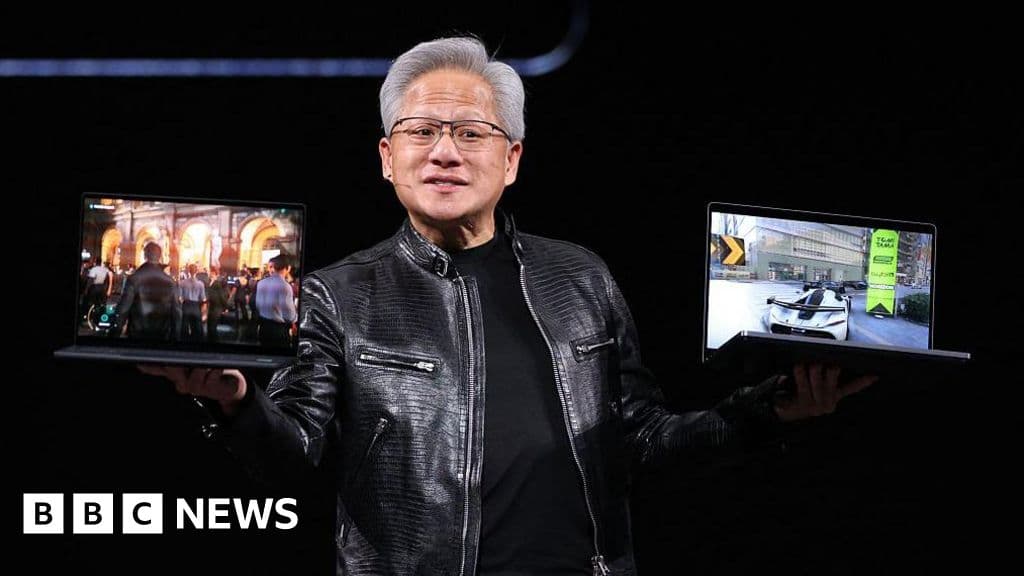
Nvidia's new RTX Spark chip aims to transform personal computing with AI, marking a significant shift in technology. Discover what this means for consumers.
BBC Business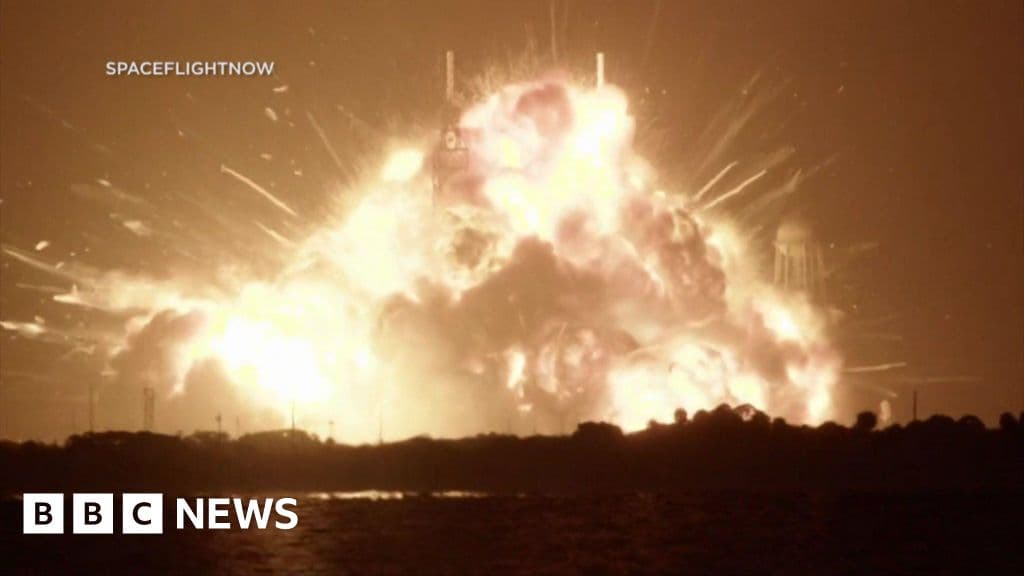
The explosion of Blue Origin's New Glenn rocket raises significant concerns over NASA's lunar ambitions and the future of Amazon's satellite projects. Discover the implications.
BBC Science
Discover how Meta's lack of engagement on user bans raises critical concerns about accountability and transparency in social media governance.
BBC Technology