
Image: BBC Business
Sam Altman reveals Elon Musk's shocking plans for OpenAI's control during trial; implications for AI governance and innovation are profound.
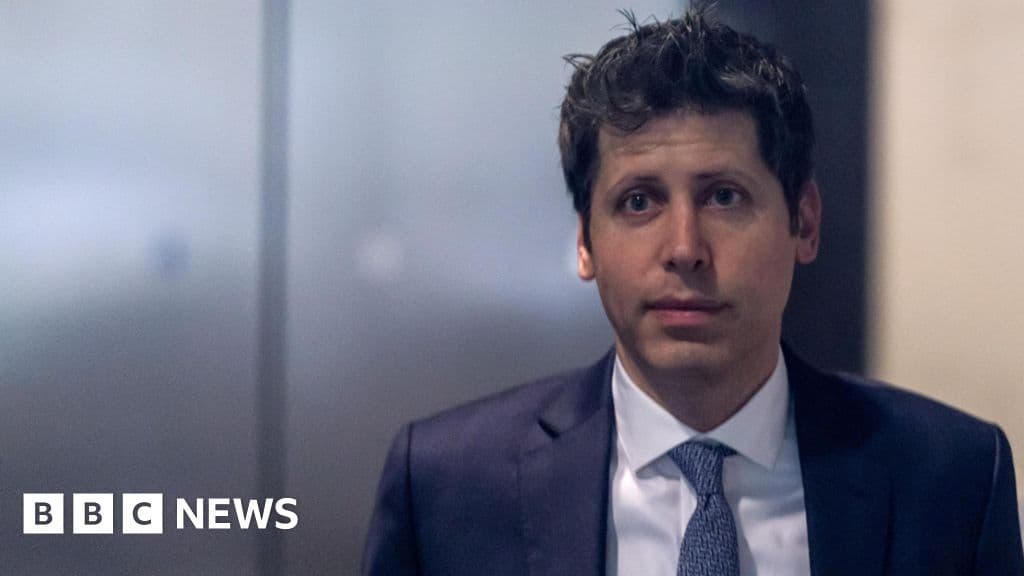
GlipzoIn a stunning revelation during a federal jury trial in Oakland, California, Sam Altman, co-founder and CEO of OpenAI, detailed Elon Musk's surprising ambitions regarding the future control of the artificial intelligence company. On Tuesday, Altman testified that Musk suggested that control of OpenAI might eventually be passed down to his children, raising eyebrows about the billionaire's intentions for the organization he helped establish in 2015.
Altman is currently facing a lawsuit from Musk, who alleges that he has "looted a charity" given OpenAI's origins as a non-profit entity. This legal battle sheds light on the complex and sometimes contentious relationship between Musk and OpenAI, particularly regarding financial strategies and leadership control.
During his testimony, Altman recounted conversations with Musk where the tech mogul expressed a desire for greater control over OpenAI. This included aspirations for Musk to hold more seats on the board and potentially become the CEO. Altman vividly recalled a particularly alarming moment when co-founders raised a critical question about the future leadership of the company, asking, "If you have control, what happens when you die?" Musk's response, according to Altman, was that control should perhaps pass to his children.
This exchange highlights the sometimes unpredictable nature of Musk's ambitions. His desire for control was not merely about personal power but stemmed from his belief that he could significantly boost OpenAI's financial prospects. Altman noted that Musk emphasized how his personal brand could attract substantial investment: "If I make one tweet about this, it's instantly worth a ton."
Altman also discussed Musk's inclination to push OpenAI towards a for-profit model, emphasizing the need for quicker financial returns. The overarching goal was to secure more funding rapidly, a shift that could have profound implications for the organization's mission. Musk's vision involved restructuring OpenAI into a more traditional for-profit entity, which Altman and fellow co-founders Greg Brockman and Ilya Sutskever ultimately rejected. They believed that granting Musk such control in exchange for easier financing would compromise OpenAI's foundational mission of developing artificial general intelligence (AGI).
Altman expressed his discomfort with the idea of handing over control to a single individual, stating, "One of the reasons we started OpenAI was because we didn't think any one person should be in control of AGI." This statement underscores the ethical concerns surrounding AI development and the need for collaborative governance.
Musk's departure from OpenAI in early 2018 marked a significant turning point for the organization. After leaving, he ceased his substantial quarterly donations of $5 million and expressed skepticism about OpenAI's future. Altman recalled a particularly striking email from Musk in which he claimed that OpenAI had a "zero percent chance, not a one percent chance, of success" without his involvement.
When Altman extended an invitation for Musk to invest in OpenAI's new for-profit subsidiary in 2019, Musk declined, stating that he would no longer invest in any startups he did not control. This decision further solidified the rift between Musk and the OpenAI leadership team, illustrating the challenges of aligning visions within high-stakes tech ventures.
The ongoing legal battle between Musk and Altman raises critical questions about the governance of AI technology and its ethical implications. As AI becomes increasingly integrated into society, the question of who controls these powerful tools is more pressing than ever. The discussions surrounding OpenAI's direction serve as a microcosm for larger debates about accountability, transparency, and the potential societal impacts of advanced AI systems.
The implications of this case extend beyond OpenAI and Musk; they touch on the broader landscape of AI development and governance. As companies and individuals navigate the complexities of AI, understanding the motivations and control dynamics at play will be crucial for ensuring responsible innovation.
As the trial unfolds, the tech world will be watching closely. Key questions remain about how OpenAI will navigate its relationship with Musk and the implications of his proposals for future AI governance. Will Altman's leadership prevail, or will Musk's ambitions reshape the organization in ways that could alter the trajectory of AI development?
Moreover, as OpenAI continues to push the boundaries of technology and innovation, the discussions sparked by this lawsuit may influence industry standards and practices, including how AI companies approach funding, governance, and ethical considerations. The outcome of this case could set a precedent that shapes the future landscape of AI for years to come, making it essential for stakeholders to engage in thoughtful dialogue about the role of individuals and institutions in guiding AI towards a beneficial future.
In conclusion, the relationship between Musk and OpenAI encapsulates the broader challenges facing the tech industry today. As we continue to explore the transformative potential of AI, the need for responsible stewardship and collaborative governance has never been more critical.
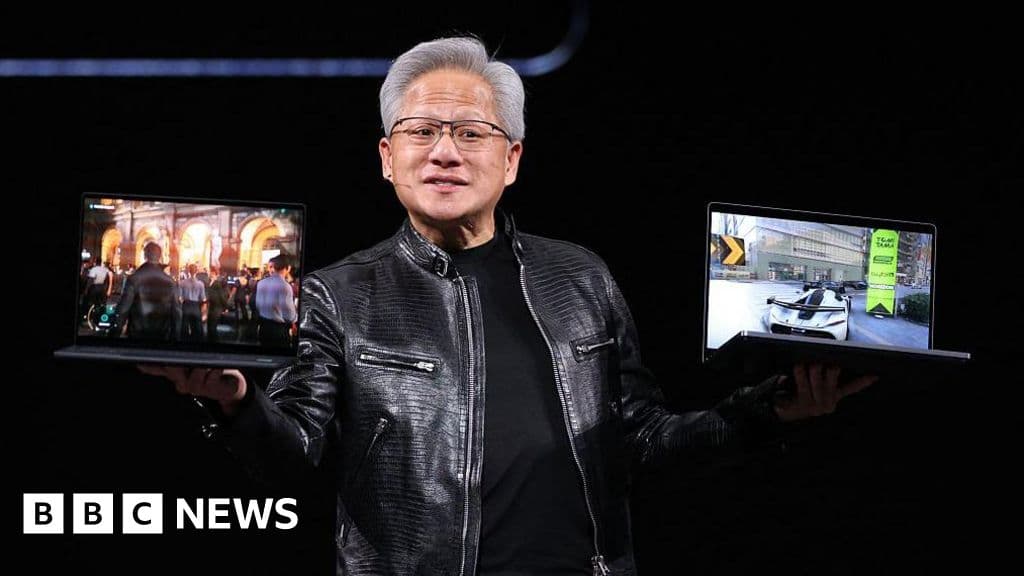
Nvidia's new RTX Spark chip aims to transform personal computing with AI, marking a significant shift in technology. Discover what this means for consumers.
BBC Business
The explosion of Blue Origin's New Glenn rocket raises significant concerns over NASA's lunar ambitions and the future of Amazon's satellite projects. Discover the implications.
BBC Science
Discover how Meta's lack of engagement on user bans raises critical concerns about accountability and transparency in social media governance.
BBC Technology