
Glipzo
WorldTechnologyBusinessSportsEntertainmentScienceHealthPolitics
Glipzo
WorldTechnologyBusinessSportsEntertainmentScienceHealthPolitics
  1. Home
  2. /
  3. Technology
  4. /
  5. Elon Musk's OpenAI Lawsuit Dismissed: Court Rules Too Late
Elon Musk's OpenAI Lawsuit Dismissed: Court Rules Too Late

Image: BBC Business

Technology
Tuesday, May 19, 20265 min read

Elon Musk's OpenAI Lawsuit Dismissed: Court Rules Too Late

Elon Musk's lawsuit against OpenAI was dismissed as he waited too long to file. Discover the implications of this high-profile case and what's next for Musk.

Glipzo News Desk|Source: BBC Business
Share
Glipzo

Key Highlights

  • Elon Musk's lawsuit against OpenAI dismissed by jury.
  • Jury ruled Musk's claims were expired due to delays.
  • Musk vows to appeal, citing legal technicalities.
  • Sam Altman claims Musk supported OpenAI's for-profit shift.
  • Verdict highlights ethical concerns in tech philanthropy.

In this article

  • Elon Musk's Legal Battle Against OpenAI Ends in Defeat In a surprising turn of events, **Elon Musk’s** lawsuit against **OpenAI** and its CEO **Sam Altman** has been dismissed by a California jury. The jury reached a **unanimous verdict**, concluding that Musk had waited too long to bring his claims forward, effectively rendering them invalid. This case not only reflects the ongoing tensions in the tech industry but also raises questions about accountability within philanthropic endeavors.
  • Jury Deliberations and Key Testimonies The jury, after deliberating for just two hours, had spent **three weeks** reviewing internal communications and hearing testimonies. Among those who took the stand were Musk, Altman, and **Microsoft CEO Satya Nadella**. Musk accused Microsoft of complicity in OpenAI’s transition to a for-profit model, although his claims against the tech giant were also dismissed due to the jury's findings regarding OpenAI.
  • Musk's Reaction to the Verdict Following the jury's decision, Musk took to **social media platform X** to voice his discontent. He criticized the ruling as granting a "free license to loot charities" if one could keep such actions under wraps for several years. Musk further lambasted the presiding judge, labeling them a "terrible activist" who misused the jury's role in the case.
  • Legal Perspectives and Implications Legal experts have weighed in on the case, with **Carl Tobias**, a law professor at the University of Richmond, stating that the jury's decision was grounded in factual analysis. "This case seemed kind of weird and crazy, but this is why we trust juries, because they bring the common sense of the community to resolve factual disputes," Tobias explained.
  • Altman's Defense and the Backstory In his testimony, Altman countered Musk’s claims by asserting that Musk had initially supported the idea of OpenAI becoming a for-profit entity and had even sought control of the organization for himself. Altman recounted a moment of tension between the co-founders, where Musk suggested that control of OpenAI could pass to his children in the event of his death.
  • The Broader Context: Why This Lawsuit Matters Musk's allegations against OpenAI and Microsoft highlight significant concerns regarding the ethical responsibilities of tech companies, particularly those involved in charitable initiatives. The outcome of this case not only impacts Musk but also sends a message to other tech entrepreneurs about the legal complexities surrounding non-profit versus for-profit transitions.
  • Looking Ahead: The Future of OpenAI and Musk As the tech industry continues to evolve, this verdict may have lasting implications for Musk and his ventures. With the **growing prominence of AI** technologies and the increasing scrutiny of their ethical frameworks, Musk's ongoing criticisms of OpenAI could shape public discourse and influence future regulatory measures.
  • Conclusion In summary, Musk's recent loss in court serves as a stark reminder of the legal challenges faced by tech leaders in an era where accountability and ethical conduct are under the microscope. As developments continue to emerge, all eyes will be on Musk's next steps and the potential ramifications for both him and OpenAI in the rapidly changing landscape of artificial intelligence.

Elon Musk's Legal Battle Against OpenAI Ends in Defeat In a surprising turn of events, **Elon Musk’s** lawsuit against **OpenAI** and its CEO **Sam Altman** has been dismissed by a California jury. The jury reached a **unanimous verdict**, concluding that Musk had waited too long to bring his claims forward, effectively rendering them invalid. This case not only reflects the ongoing tensions in the tech industry but also raises questions about accountability within philanthropic endeavors.

Musk, who made a substantial donation of $38 million to OpenAI in its early days, alleged that Altman breached a non-profit contract by transitioning the organization into a for-profit entity. He claimed that this shift contradicted the original mission of OpenAI, which was to develop artificial intelligence for the benefit of humanity.

Jury Deliberations and Key Testimonies The jury, after deliberating for just two hours, had spent **three weeks** reviewing internal communications and hearing testimonies. Among those who took the stand were Musk, Altman, and **Microsoft CEO Satya Nadella**. Musk accused Microsoft of complicity in OpenAI’s transition to a for-profit model, although his claims against the tech giant were also dismissed due to the jury's findings regarding OpenAI.

A spokesperson for Microsoft expressed satisfaction with the verdict, stating, "The facts and the timeline in this case have long been clear," and reiterated the company's commitment to its partnership with OpenAI.

Musk's Reaction to the Verdict Following the jury's decision, Musk took to **social media platform X** to voice his discontent. He criticized the ruling as granting a "free license to loot charities" if one could keep such actions under wraps for several years. Musk further lambasted the presiding judge, labeling them a "terrible activist" who misused the jury's role in the case.

In a subsequent post, Musk announced plans to appeal the verdict, claiming that the jury's decision was based on a technicality related to the statute of limitations, rather than the substantive merits of his case. The jury determined that the limitations period had expired for Musk's claims regarding breach of charitable trust and unjust enrichment, thus sidestepping the need to evaluate the case's merits.

Legal Perspectives and Implications Legal experts have weighed in on the case, with **Carl Tobias**, a law professor at the University of Richmond, stating that the jury's decision was grounded in factual analysis. "This case seemed kind of weird and crazy, but this is why we trust juries, because they bring the common sense of the community to resolve factual disputes," Tobias explained.

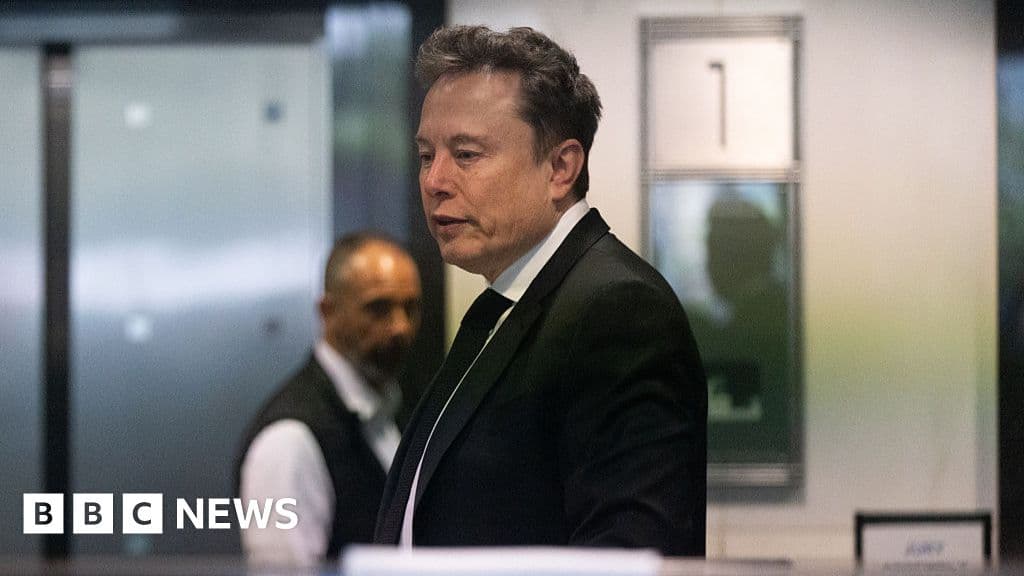
On the first day of the trial, Musk, dressed in a formal suit, articulated his concerns about the implications of his claims. "It's actually very simple," he stated. "It's not OK to steal a charity... If it's okay to loot a charity, the entire foundation of charitable giving will be destroyed."

Altman's Defense and the Backstory In his testimony, Altman countered Musk’s claims by asserting that Musk had initially supported the idea of OpenAI becoming a for-profit entity and had even sought control of the organization for himself. Altman recounted a moment of tension between the co-founders, where Musk suggested that control of OpenAI could pass to his children in the event of his death.

Originally founded in 2015, Musk departed from OpenAI in 2018, following disputes with his co-founders who refused to grant him control. This lawsuit can be seen as a manifestation of the ongoing rivalry and animosity between Musk and Altman that has evolved over the years.

The Broader Context: Why This Lawsuit Matters Musk's allegations against OpenAI and Microsoft highlight significant concerns regarding the ethical responsibilities of tech companies, particularly those involved in charitable initiatives. The outcome of this case not only impacts Musk but also sends a message to other tech entrepreneurs about the legal complexities surrounding non-profit versus for-profit transitions.

In 2024, OpenAI felt compelled to address Musk's repeated public criticisms through a detailed blog post that outlined a timeline of events intended to clarify its operations and mission.

Looking Ahead: The Future of OpenAI and Musk As the tech industry continues to evolve, this verdict may have lasting implications for Musk and his ventures. With the **growing prominence of AI** technologies and the increasing scrutiny of their ethical frameworks, Musk's ongoing criticisms of OpenAI could shape public discourse and influence future regulatory measures.

While Musk plans to appeal the verdict, it remains to be seen how this will unfold and whether it will lead to a renewed examination of the tech and charity intersection. For now, the jury's ruling stands as a significant chapter in the ongoing narrative of Musk’s relationship with OpenAI and the broader implications for the tech industry.
Conclusion In summary, Musk's recent loss in court serves as a stark reminder of the legal challenges faced by tech leaders in an era where accountability and ethical conduct are under the microscope. As developments continue to emerge, all eyes will be on Musk's next steps and the potential ramifications for both him and OpenAI in the rapidly changing landscape of artificial intelligence.

Did you find this article useful? Share it!

Share

Related Articles

Nvidia Unveils Groundbreaking AI Chip for PCs
Technology
Jun 1, 2026

Nvidia Unveils Groundbreaking AI Chip for PCs

Nvidia's new RTX Spark chip aims to transform personal computing with AI, marking a significant shift in technology. Discover what this means for consumers.

BBC Business
Explosive Rocket Incident Raises Questions on NASA's Moon Missions
Technology
May 30, 2026

Explosive Rocket Incident Raises Questions on NASA's Moon Missions

The explosion of Blue Origin's New Glenn rocket raises significant concerns over NASA's lunar ambitions and the future of Amazon's satellite projects. Discover the implications.

BBC Science

Meta Faces Major Backlash Over User Account Bans in EU
Technology
May 29, 2026

Meta Faces Major Backlash Over User Account Bans in EU

Discover how Meta's lack of engagement on user bans raises critical concerns about accountability and transparency in social media governance.

BBC Technology

Categories

  • World
  • Technology
  • Business
  • Sports

More

  • Entertainment
  • Science
  • Health
  • Politics

Explore

  • Web Stories
  • About Us
  • Contact

Legal

  • Privacy Policy
  • Terms of Service
  • Disclaimer

© 2026 Glipzo. All rights reserved.