

Image: TechCrunch
Elon Musk announces plans for a chip manufacturing facility, Terafab, to meet AI and robotics demands for Tesla and SpaceX amid semiconductor shortages.
GlipzoIn a groundbreaking announcement, Elon Musk unveiled plans for a new chip manufacturing initiative that aims to bridge the semiconductor gap for his companies, Tesla and SpaceX. During an event held on Saturday night in downtown Austin, Texas, Musk proposed the establishment of a facility he refers to as “Terafab.” This ambitious project is set to be located near Tesla's Austin headquarters and its expansive gigafactory.
Musk's motivation behind this venture stems from a critical issue: the current pace of chip production by existing semiconductor manufacturers is insufficient to meet the growing demands of his companies’ artificial intelligence (AI) and robotics initiatives. He stated, “We either build the Terafab or we don’t have the chips, and we need the chips, so we build the Terafab.” This declaration underscores the urgency of the project and highlights Musk's commitment to ensuring that his companies remain at the forefront of technological innovation.
The Terafab facility is envisioned to produce chips capable of delivering between 100 to 200 gigawatts of computing power annually on Earth and a staggering terawatt in space. Musk did not provide a specific timeline for the completion of this facility, leaving many to speculate about when these powerful chips might be available.
Musk's foray into chip manufacturing is a significant pivot, especially considering his lack of formal experience in the semiconductor industry. However, his track record of ambitious projects suggests that he is not deterred by conventional boundaries in technology development.
The semiconductor industry has faced unprecedented challenges over the past few years, with global shortages impacting various sectors, including automotive and consumer electronics. Musk's initiative could potentially alleviate some of this pressure by creating a dedicated supply chain for Tesla and SpaceX, which are both highly reliant on advanced chips for their operations.
Moreover, the success of the Terafab project could have broader implications for the tech industry, possibly inspiring other companies to explore in-house manufacturing solutions to combat ongoing supply chain issues. If Musk's plans come to fruition, it could lead to significant advancements in AI and robotics, further propelling these technologies into mainstream applications.
Despite Musk's ambitious vision, there are concerns regarding his track record of setting lofty goals that often fall short of deadlines. Bloomberg has noted that Musk’s history includes overpromising on timelines and deliverables, which raises questions about the feasibility of this new venture.
As the world rapidly evolves towards more integrated technology solutions, the Terafab project could represent a pivotal moment for both Tesla and SpaceX. If Musk can successfully establish this chip manufacturing capability, it may not only resolve some of his immediate supply chain challenges but also position his companies to lead in the AI and robotics sectors.
In the coming months, industry watchers will be keenly observing how Musk progresses with this initiative. Will he be able to leverage his vision into a reality? And can he overcome the significant hurdles associated with semiconductor manufacturing?
As the situation develops, stakeholders in technology and automotive sectors will be eager to see how this venture unfolds and what it means for the future of chip production and AI innovation. The ripple effects of such a project could redefine how companies approach in-house manufacturing and supply chain management in the tech industry.
Elon Musk's announcement of the Terafab marks a significant moment in the tech landscape, particularly as it relates to the ongoing semiconductor shortage. By taking the initiative to create his own chip manufacturing facility, Musk is making a bold statement about the future of technology and the lengths to which he is willing to go to ensure his companies remain innovative and competitive. The path ahead is fraught with challenges, but if successful, it could change the game for both Tesla and SpaceX as they strive to push the boundaries of what is possible in AI and robotics.
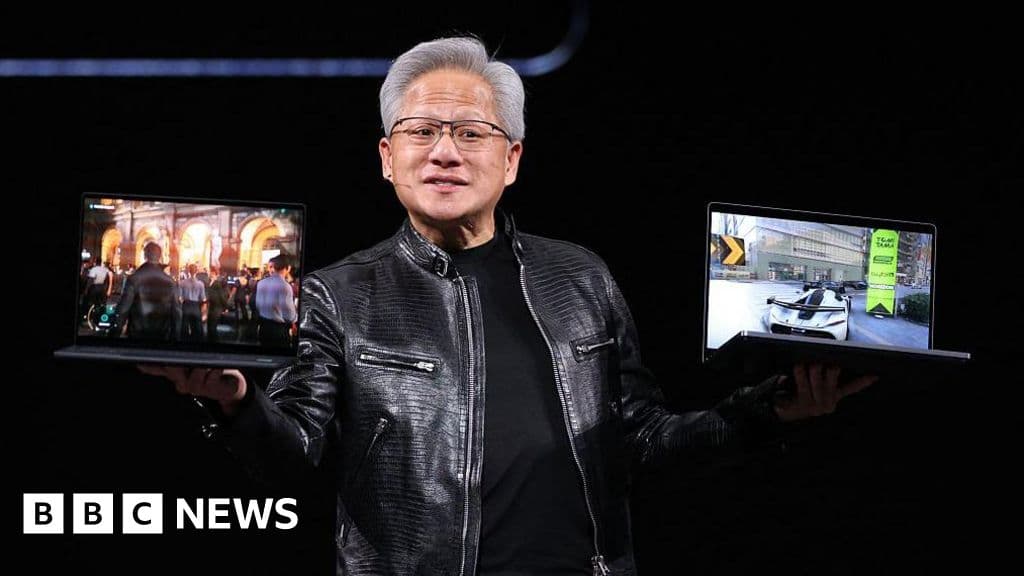
Nvidia's new RTX Spark chip aims to transform personal computing with AI, marking a significant shift in technology. Discover what this means for consumers.
BBC Business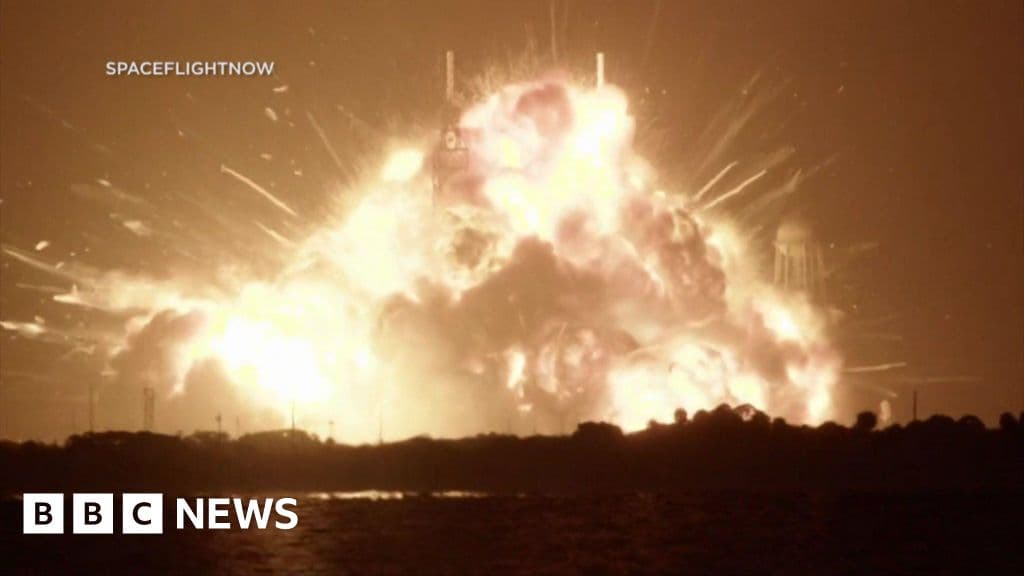
The explosion of Blue Origin's New Glenn rocket raises significant concerns over NASA's lunar ambitions and the future of Amazon's satellite projects. Discover the implications.
BBC Science
Discover how Meta's lack of engagement on user bans raises critical concerns about accountability and transparency in social media governance.
BBC Technology