

Image: The Hindu
Elon Musk was found liable for misleading investors during his $44B Twitter acquisition, but cleared of fraud scheme allegations. What happens next?
GlipzoThe case arose from a class-action lawsuit initiated right before Musk took control of Twitter. The key question for the jury was whether Musk’s communications, including tweets and a podcast appearance in May 2022, constituted intentional fraud that led shareholders to sell their stakes based on his statements. After deliberating for three days, the nine-member jury concluded that Musk was indeed misleading with his statements regarding the acquisition process.
This verdict is particularly crucial as it involves a class action where thousands of shareholders, many of whom are institutional investors, are awaiting decisions on potential damages. Although specific amounts are yet to be determined, the jury indicated that shareholders could be entitled to damages ranging from $3 to $8 per stock per day. Given Musk’s estimated net worth of $814 billion, largely derived from his Tesla holdings, the financial implications could be monumental.
Following Musk's attempt to withdraw, Twitter filed a lawsuit in Delaware to compel him to fulfill his original agreement. Just as the trial for this case was set to begin, Musk shifted his stance and agreed to complete the purchase at the initially agreed-upon price, highlighting the tumultuous and often contradictory nature of the acquisition saga.
Moreover, this case reflects broader concerns regarding the integrity of information shared by executives in the age of social media. As the jury highlighted the distinction between misleading statements and a deliberate fraud scheme, it underscores the complexities involved in legal interpretations of online communications in business contexts.
Investors and analysts will also be keen to observe how Musk manages his public communications moving forward. Will this verdict lead to changes in how he interacts with shareholders? Additionally, it could influence how other high-profile CEOs approach their disclosures on social media platforms.
In conclusion, while Musk has been found liable for misleading investors, the absence of a scheme to defraud highlights the nuanced nature of legal accountability in the digital age. As the case continues to unfold, stakeholders will be watching closely to see how it shapes the landscape for corporate communications and investor relations in the future.
Key Takeaways: - Elon Musk held liable for misleading investors about Twitter acquisition. - Jury found no evidence of a deliberate fraud scheme. - Financial implications could reach billions in damages for Musk. - Focus on Twitter bots raised critical questions about misinformation. - Future corporate communications may be impacted by this ruling.

Commercial LPG prices have risen again, with increases of ₹42 in Delhi and ₹53.50 in Kolkata impacting businesses and consumers alike. Find out more.
Indian Express
Discover how a tragic coal mine explosion in Shanxi, China, reveals ongoing safety concerns in the industry amidst a push for green energy.
BBC Business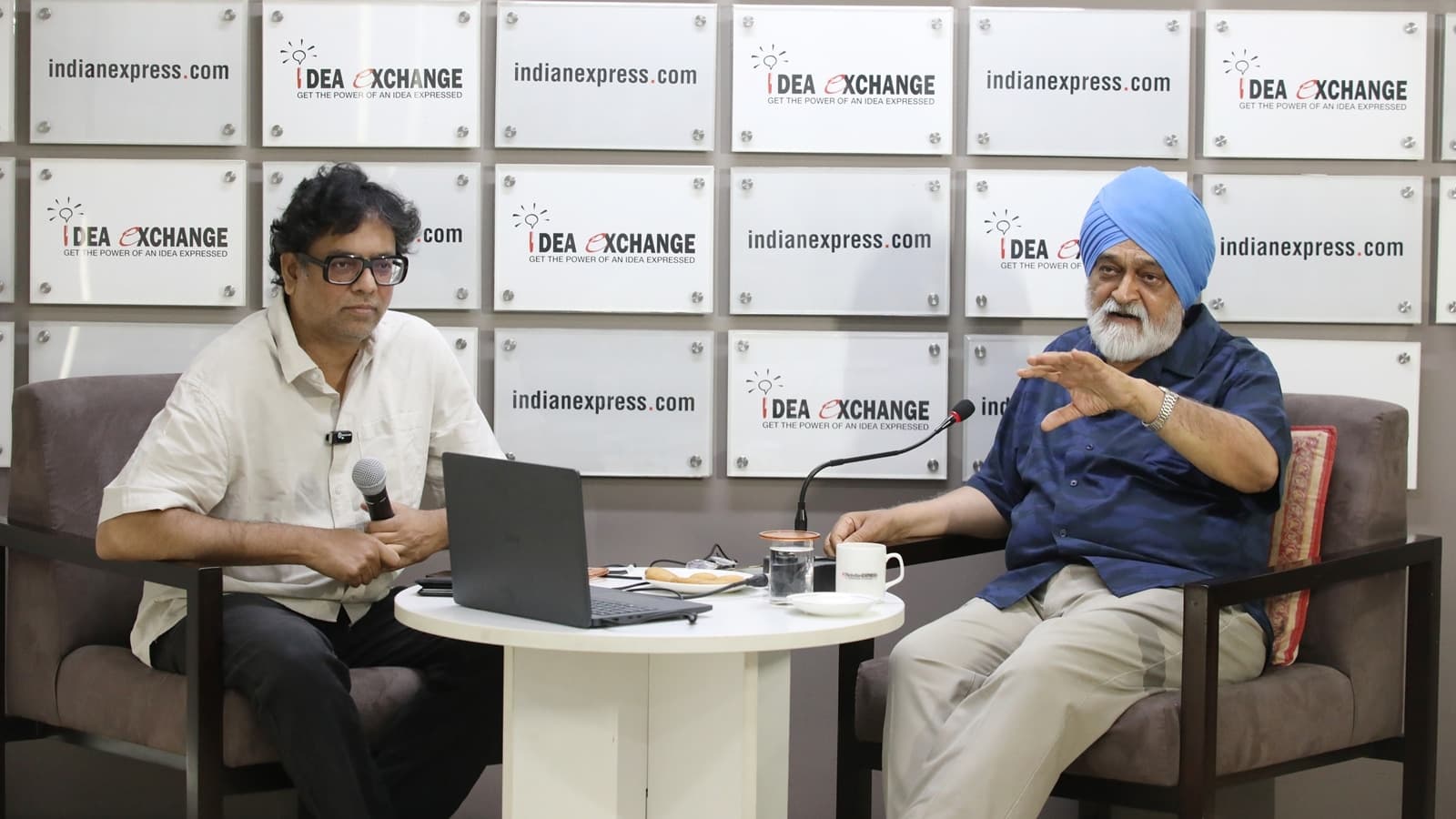
Montek Singh Ahluwalia highlights key economic challenges for India, emphasizing the need for a strategic approach to balance payments and investment.
Indian Express