

Image: The Hindu
Discover how electric motorcycles are transforming India's two-wheeler market, with major companies investing in innovative technologies and performance-driven models.
GlipzoAs of March 21, 2026, the Indian motorcycle industry is undergoing a significant transformation. Traditionally dominated by internal combustion engine (ICE) models, the landscape is rapidly changing with the rise of electric motorcycles. With major players like Bajaj Auto, Hero MotoCorp, and TVS Motor investing heavily in this new segment, the electrification of motorcycles is no longer a distant dream but a burgeoning reality.
Historically, the conversation surrounding electric two-wheelers in India has revolved around scooters, primarily due to challenges such as battery costs, range anxiety, and the lack of adequate charging infrastructure. However, as these barriers begin to diminish, the electric motorcycle market is poised to gain significant traction. In 2025, India witnessed a sale of approximately 1.28 million electric two-wheelers, marking an 11% increase year-on-year and accounting for about 6.3% of the total 20.29 million two-wheelers registered.
Motorcycles have long been a staple of India's two-wheeler market, representing over 60% of annual sales. Despite the strong preference for motorcycles, the shift to electric vehicles (EVs) has predominantly favored scooters, leaving a noticeable gap in the motorcycle segment. As electric scooters gained popularity for their urban efficiency, the allure of high-performance electric motorcycles remained largely unaddressed.
Recent trends indicate that this imbalance is set to change. Major manufacturers are now investing in developing electric motorcycle platforms, while innovative startups are introducing products that resemble traditional motorcycles rather than high-speed scooters. This evolution could potentially reshape consumer preferences and market dynamics in the years to come.
The interest from established brands signals a significant shift. In November 2025, Bajaj Auto unveiled an entirely new electric motorcycle platform developed in-house. Similarly, TVS Motor introduced the e.FX.30, an electric naked motorcycle concept at EICMA 2025, showcasing a next-generation powertrain. Hero MotoCorp, through its Vida brand and a collaboration with Zero Motorcycles, has also announced plans for high-performance electric motorcycles.
Even global manufacturers like Kawasaki are joining the fray, announcing a modular electric motorcycle platform. With improved battery economics, lower operating costs of electric powertrains, and ongoing government incentives, the stage is set for a rapid expansion of the electric motorcycle market.
Analysts project that the broader electric two-wheeler segment will experience a compound annual growth rate (CAGR) approaching 28% through 2033. A report by McKinsey suggests that electric two-wheelers could capture between 60-70% of new two-wheeler sales by 2030. Within this growth trajectory, the motorcycle sub-segment, currently representing less than 1% of electric two-wheeler sales, is expected to grow at a disproportionately high rate.
Startups like MATTER are leading the charge in overcoming engineering challenges associated with electric motorcycles. Their innovative liquid-cooled powertrain and multi-speed gearbox are game-changers, proving that the essence of traditional motorcycling can coexist with electric technology. In 2025, MATTER launched the AERA, India’s first production electric motorcycle equipped with a four-speed manual “HyperShift” gearbox. Priced between ₹1.81 lakh and ₹1.94 lakh (ex-showroom Ahmedabad), the AERA targets the 175-200 cc equivalent segment, which is one of the largest and most sought-after categories in India.
What distinguishes MATTER from competitors is its comprehensive vertical integration. The company develops its powertrain, battery management systems, software-defined architecture, and cooling systems in-house, allowing for rapid iterations and innovations.
MATTER's AERA offers riders three distinct experiences—Eco, City, and Sport modes—while also providing Park Assist features. This versatility highlights that Indian consumers are willing to invest in an authentic motorcycling experience, even in an electric format. The success of such models is likely to accelerate electrification efforts across the industry.
The shift toward electric motorcycles represents not just an evolution in technology but also signifies a broader change in consumer behavior and preferences. As more companies invest in this segment, the availability of electric motorcycles will likely increase, driving competition and innovation. Moreover, with the global push towards sustainability, India’s move towards electric mobility could have far-reaching implications for reducing carbon emissions and fostering a cleaner environment.
As we look ahead, several key developments are worth watching: - Increased Innovation: Expect more manufacturers to unveil electric motorcycle models, pushing the boundaries of performance and technology. - Infrastructure Growth: The expansion of charging infrastructure will be crucial in alleviating range anxiety and promoting wider adoption. - Government Policies: Supportive government incentives will play a significant role in fostering growth within the electric motorcycle segment. - Consumer Awareness: As consumers become more educated about the benefits of electric motorcycles, demand is likely to surge.
In conclusion, the electric motorcycle segment in India is on the brink of a significant breakthrough. As established players and startups alike invest in innovative technologies, the landscape of two-wheelers is set to transform dramatically in the coming years.
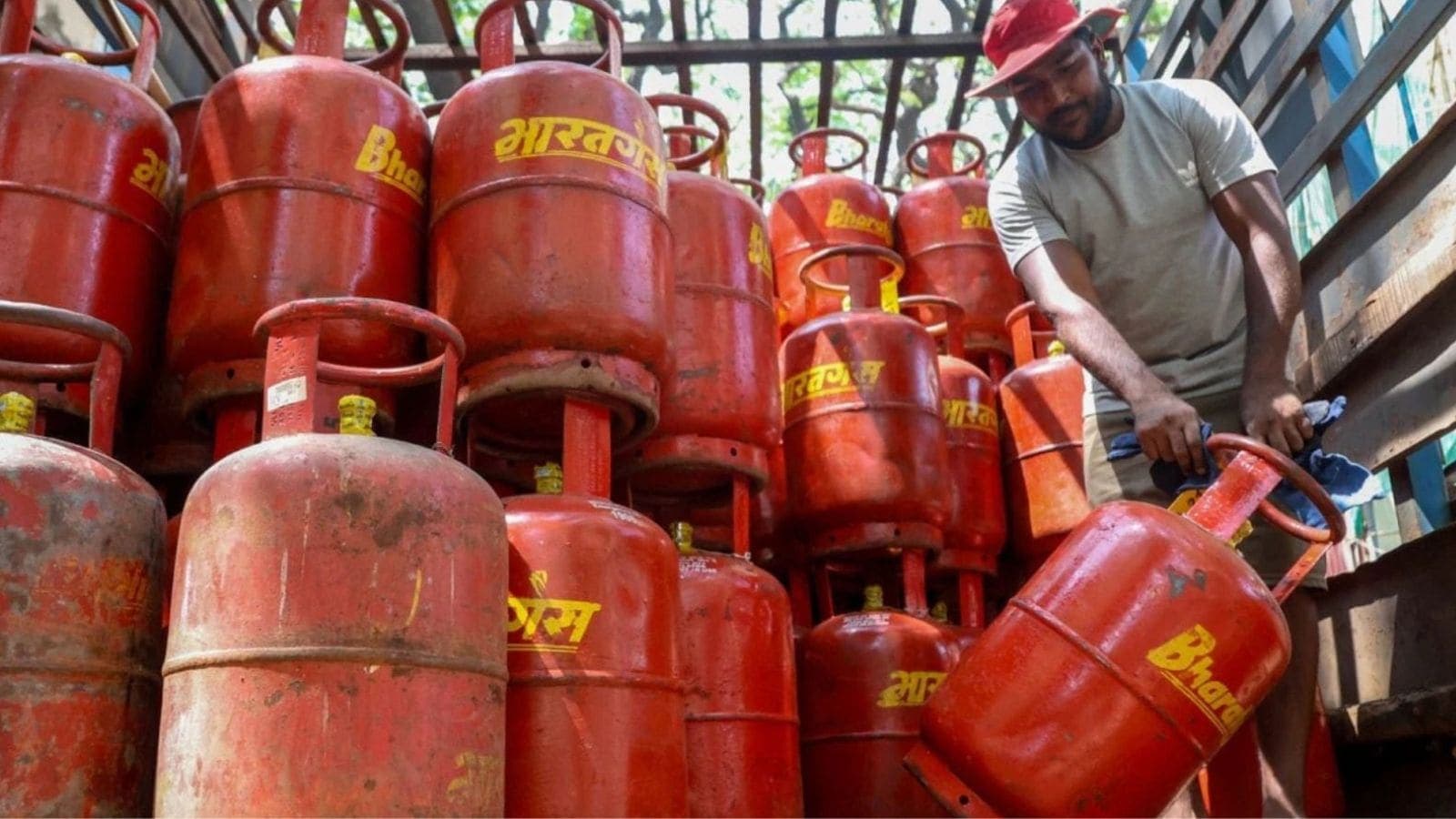
Commercial LPG prices have risen again, with increases of ₹42 in Delhi and ₹53.50 in Kolkata impacting businesses and consumers alike. Find out more.
Indian Express
Discover how a tragic coal mine explosion in Shanxi, China, reveals ongoing safety concerns in the industry amidst a push for green energy.
BBC Business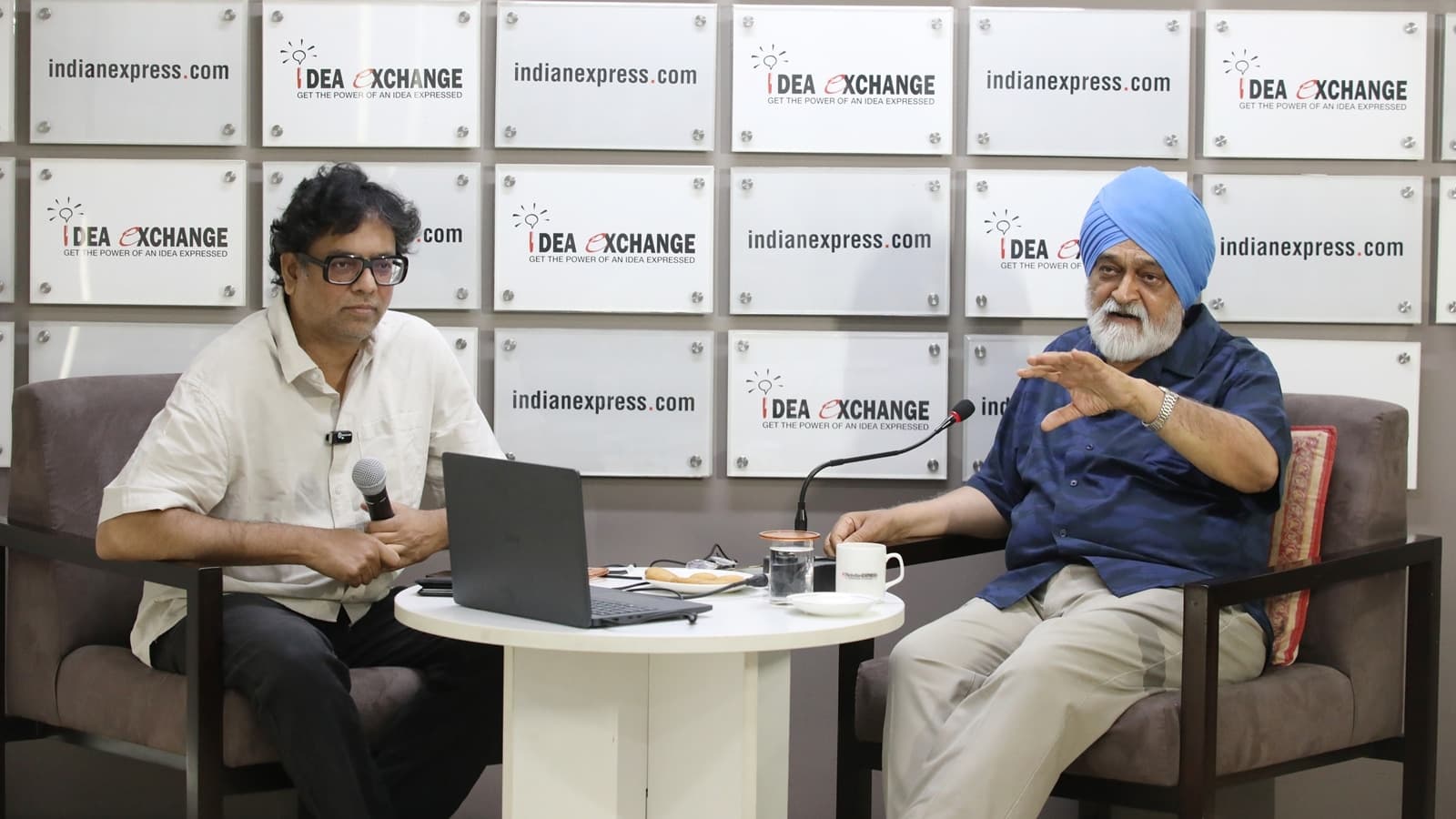
Montek Singh Ahluwalia highlights key economic challenges for India, emphasizing the need for a strategic approach to balance payments and investment.
Indian Express